
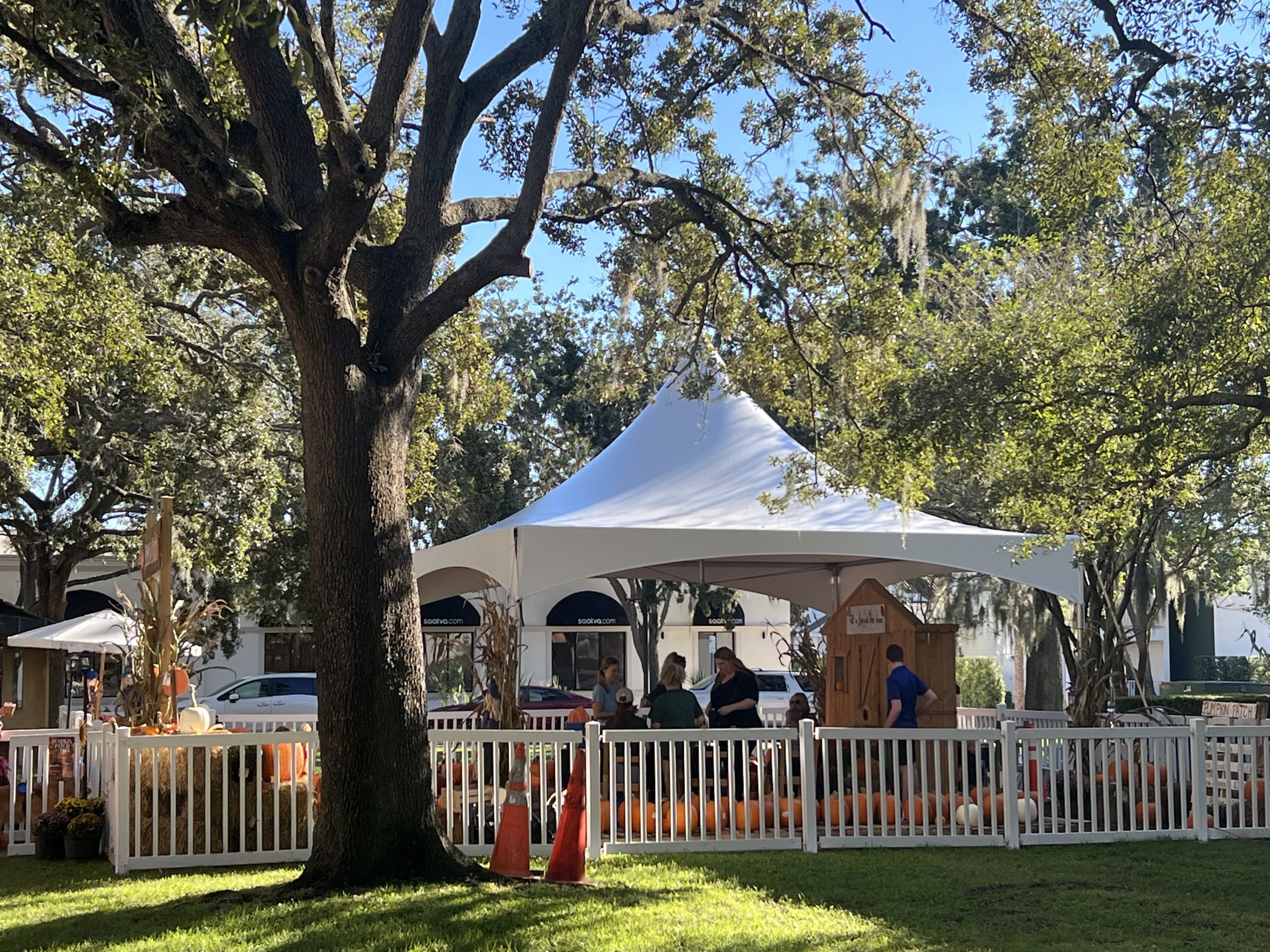
Photo Gallery: First Pumpkin Patch near City Hall
The pumpkin patch runs through Oct. 25 and benefits the Park Avenue District
Oct. 13, 2026
By Gabrielle Russon




Winter Park's General Election Voter Guide
winterparkvoice.com/wp-content/uploads/2026/07/Voting-Central-Florida-Logo-1.jpg”>
Your Guide to the Nov. 3 General Election
Use the dropdown box below to select a race from those that will appear the ballots of Winter Park residents. Once you’ve selected a race, you can click on a candidate to read the full survey or scroll down your screen for a side-by-side comparison of responses among candidates.
This Voters Guide was produced by the News Collaborative of Central Florida, a collective of independent local news outlets and aligned partners working toward a more informed and engaged Central Florida. Questions for the candidates were created by members of the collaborative. Attempts were made to contact all candidates to answer our questions – many responded but some did not. If a candidate did not respond, we have done our best to provide answers to our questions based on candidates’ websites, social media posts or public comments. For more information about the News Collaborative of Central Florida, click here.

New Merrywood Owner is Orlando Businessman Who Also Owns Corkcicle
In addition to the drinkware brand with local roots his interests also include a healthcare staffing firm that serves as a large government contractor
Oct. 7, 2026
By Beth Kassab
Editor’s note: This story has been updated to include comments from Steve Lockwood that were included in a press release from his attorney after the original story was published.
The person behind the limited liability company that purchased Merrywood, a lot on Palmer Avenue, is Steve Lockwood, an east Orlando resident who last year bought the Orlando-grown drinkware brand Corkcicle.
State corporate records also list him as a manager for a healthcare staffing firm that has been awarded $1.9 billion in government contracts, according to a federal database.
Lockwood is meeting with city officials and others in the community about splitting the lot in two ahead of a City Commission vote scheduled for next week.
After this report was first published on Wednesday morning, Lockwood issued a press release through his attorney Jason Searl of Maynard Nexsen.
“My intention when I purchased Merrywood was to create a home for my family, while also considering the possibility of splitting the property with a close family friend,” Lockwood said in the statement. “As I’ve learned more about Merrywood and what the property means to Winter Park, I’ve appreciated the opportunity to have constructive conversations with people who care deeply about its history and its future.”
Commission Elizabeth Ingram is one of the officials he has met with so far.
“It was hopeful that he was interested in hearing more about historic preservation and that there could be potential to save the home,” Ingram said. “I don’t feel we should approve the comp plan amendment without the city getting something back in return.”
Betsy Owens, executive director of Friends of Casa Feliz, said she met with Lockwood and would like to help him find “an elegant solution that allows him to build what he wants to build on the property” while also preserving Merrywood.
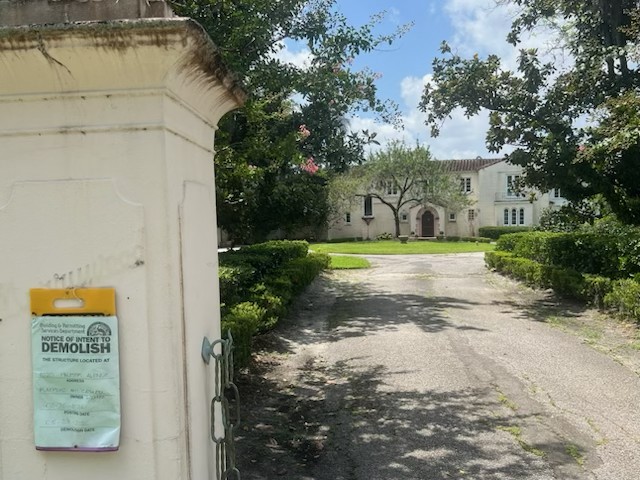
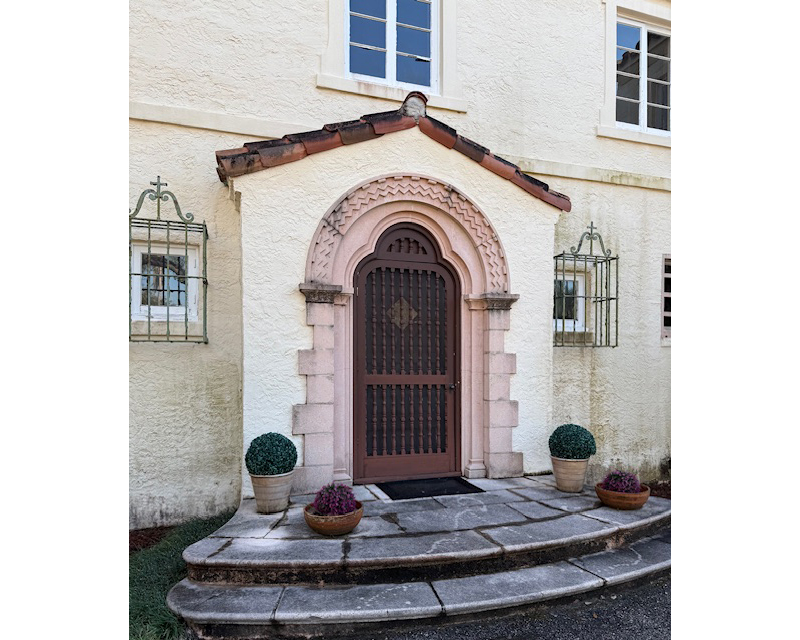
A demolition notice was posted at 1020 Palmer Ave. earlier this year.
“I think what that looks like is where the conversation will take place,” she said. “It was a good meeting.”
Lockwood does not live in Winter Park, and it’s not clear how he became interested in the nearly 4-acre property, which has recently been in the spotlight because it includes a nearly 90-year-old estate designed by James Gamble Rogers II. The home is listed on the Florida Master Site File, an inventory of historic and cultural assets kept by the Division of Historical Resources under the Florida Department of State.
He indicated in his statement that he would like to find a solution that preservationists are comfortable with.
“I bought Merrywood because I saw it as a special place where my family could build a home and become part of the community,” Lockwood said. “I also understand that the property means something to many people in Winter Park. I’m listening, keeping an open mind and hopeful that we can find a path forward that everyone can feel good about.”
Last month, city officials granted an extension on the permit to demolish the house while the property was being sold to Lake Osceola Holdings LLC, the entity that closed on the lot in August for $15 million.
Lockwood is seeking to continue the process of gaining approval to split the lot in two. That would require the City Commission to approve a special carve-out in the city’s long-term development plan, known as the comprehensive plan, which generally prohibits the splitting of lakefront lots. A split would increase the property’s value by allowing two lakefront homes instead of one.
“My client desires to continue with the pending Comp Plan Amendment and will accept responsibility for the application going forward,” Searl wrote to the city in September.
The second of two required commission votes to finalize the change to the comprehensive plan is scheduled for Oct. 14. The first vote on June 24 was 3-2 in favor of the lot split with Mayor Sheila DeCiccio and commissioners Kris Cruzada and Craig Russell voting yes and commissioners Warren Lindsey and Ingram voting no.
Lockwood’s LinkedIn profile lists him as the principal owner of Corkcicle and a graduate of the University of Central Florida. In state business records, he is listed as a manager or director for a number of companies, including Corkcicle Capital Group LLC, created in 2025, and Corkcicle Capital Group Holdings LLC, created earlier this year.
Cascadia Capital, an investment bank, announced last year that Corkcicle had been acquired by a private investor group. The company, which started in Orlando’s College Park neighborhood, sells stylish reusable water bottles and coffee thermoses, plus coolers, barware and more. Its website says it has collaborations featuring designs from Winter Park-based Rifle Paper Co., Disney and others.
Lockwood is also listed as a director or manager for Loyal Source Government Services and Loyal Source Worldwide. Orlando-based Loyal Source, founded in 2009, describes itself as a privately held healthcare, workforce, technology and mission-support company. In 2021, for example, the company provided “turnkey medical services to more than 20,000 Afghan evacuees at Camp Atterbury, Indiana and Fort McCoy, Wisconsin,” according to its website. The site also says the company provided care and services at a temporary shelter in Texas, under a government contract, to unaccompanied migrant children arriving at the U.S. border.
USAspending.gov, the federal database of government contracts created as a public access tool by the Federal Funding Accountability and Transparency Act of 2006, lists $1.9 billion in contracts to Loyal Source Government Services LLC since 2009. Most were awarded by the Department of Veterans Affairs, followed by the Department of Homeland Security, for services such as medical evaluations and screenings, nursing services and medical coding.
WinterParkVoiceEditor@gmail.com
No Budget, No Power, No Paycheck: Who Wants to Serve on Orange's Soil and Water Board?
Three of five seats on the board charged with helping people keep their soil and water clean are on the Nov. 3 ballot
Oct. 5, 2026
By Beth Kassab
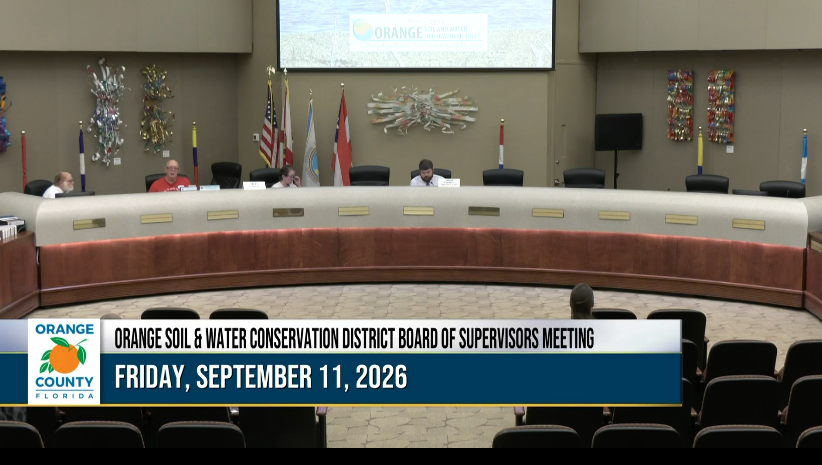
The five people elected to serve on the Orange County Soil and Water Conservation District don’t have a budget, don’t have any power, don’t receive a paycheck and lack even basic tools like official district email addresses.
When it comes to civic and government jobs, the soil and water board is as humble as it gets. PTA presidents and homeowners association board members get more glory because they typically have a budget to spend, some authority and perhaps receive a round of appreciative applause at an end-of-year banquet.
Yet for nearly 80 years, voters in Orange County have elected supervisors to a board that few understand or ever see.
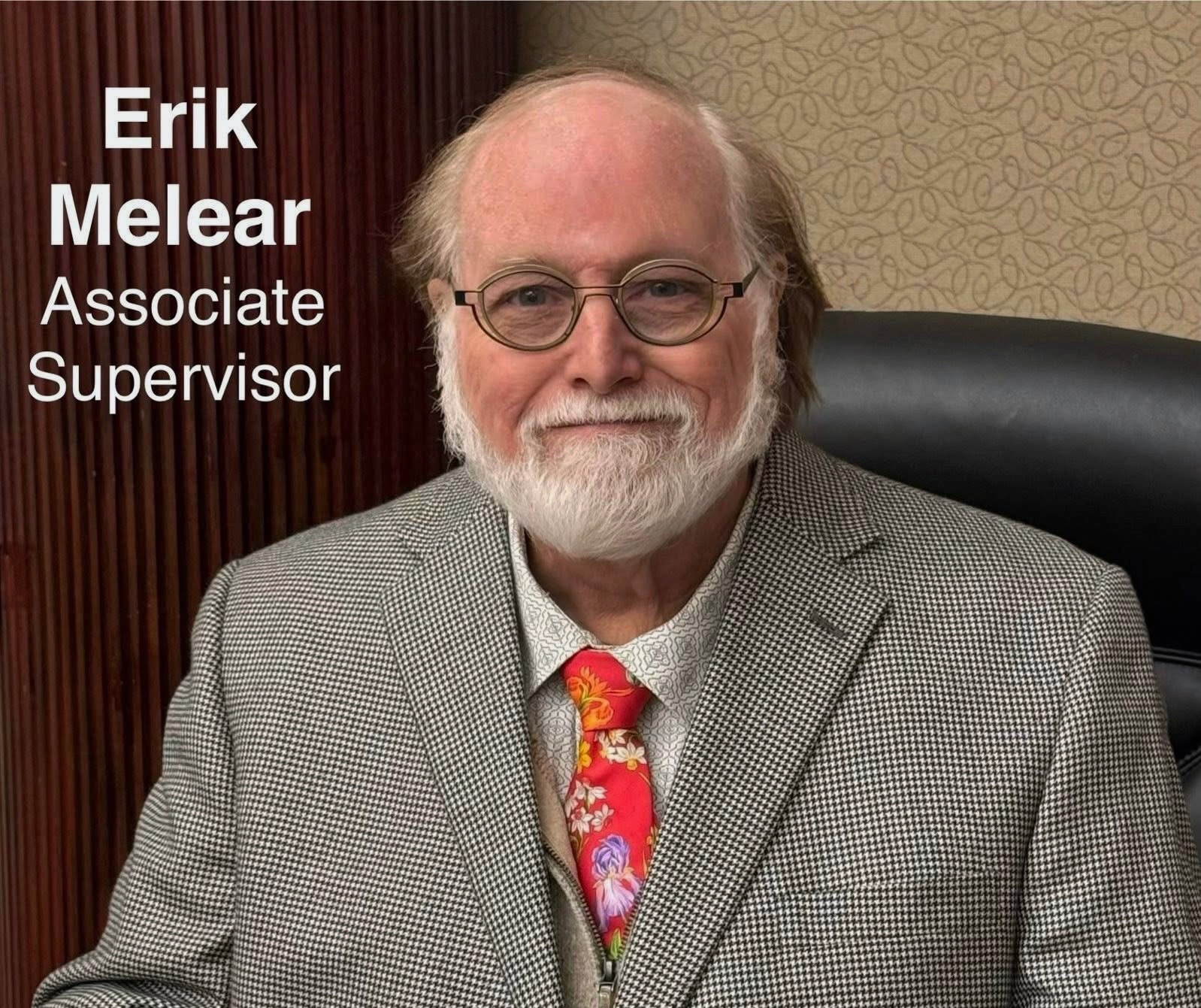
Erik Melear
Those campaigning this time around, like candidates before them, face a steep climb in convincing voters that their choices near the very bottom of the Nov. 3 ballot matter.
“Why do you even exist?” is a question Erik Melear, a candidate for Seat 3 on the district board, says he has heard plenty of times.
“But we do have a role to play,” he said. “Unfortunately, when you have no budget, no taxing authority and no other resources, it becomes very difficult to develop and do things.”
The state began creating soil and water districts across Florida as far back as the 1930s and charged them with carrying out local programs to conserve and protect soil, water and land for agricultural purposes.
In recent years, lawmakers in Tallahassee have tried a series of efforts to wholesale abolish the districts, though none has succeeded.
Chuck Drake, a geologist who specializes in potable water who previously served on the St. Johns River Water Management District, is also a candidate for Seat 3 and said he understands the push to get rid of the board if it isn’t effective.
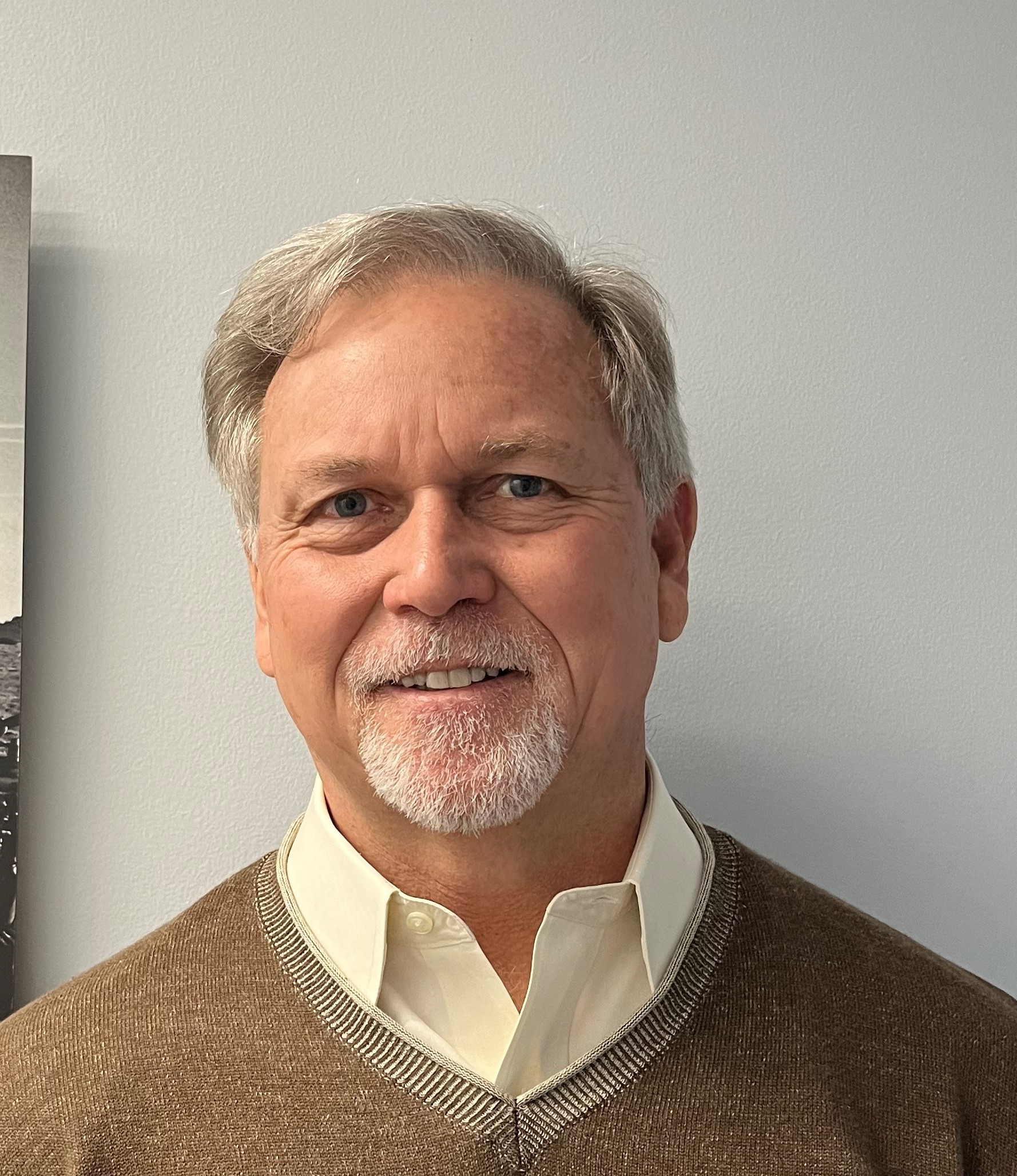
Chuck Drake
“I don’t like government for government’s sake,” he said, but at the same time as a native Central Floridian who has spent his more than 40-year career focused on groundwater, he said he understands the local challenges related to finding fresh supply and water quality.
Drake, who also serves as president of the American Institute of Professional Geologists, pointed to converting septic tanks to sewer as one specific way to add to the reclaimed water supply.
“I’d like to find out what they really do,” he said of the board. “And see if I can add any benefit to it,” noting there could be grant opportunities the previous board members have failed to seek.
Several candidates argued that a board focused on teaching residents best practices to maintain clean water, the local tree canopy and growing plants and food could surge back to relevance. They point to an age of AI data centers that consume water and power, soaring grocery prices and environmental challenges such as frequent named storms.
“If we can teach you how to conserve water, which saves money, how to keep soil healthy, which reduces landscaping costs, how to maintain a mature tree canopy that not only reduces your water bill, but also your power bill and can increase your property value …,” said Melear, who works as a senior project manager for the city of Orlando’s water utility. “Then the district board has the opportunity to be an ombudsman to communicate with government agencies and HOAs and community groups and serve as a nexus for information so they can make the prudent and wise decisions that affect all of us.”
Melear already volunteers as an associate supervisor for the district and is working to establish partnerships with Orange County Public Schools for community gardens and contests to engage students. He raised $500 from a labor union over the summer for his campaign and gave himself another $500.
Drake, like five out of the eight candidates running for the three open seats, isn’t raising campaign money.
The third candidate for Seat 3, which includes much of central Orange County, from Orlando, Edgewood and Belle Isle south to the county line, is Jose Antonio Rodriguez. He also has not raised any funds and did not respond to emails or phone calls seeking comment.
Jimm Middleton, a candidate for Seat 5, also sees untapped potential for the district.
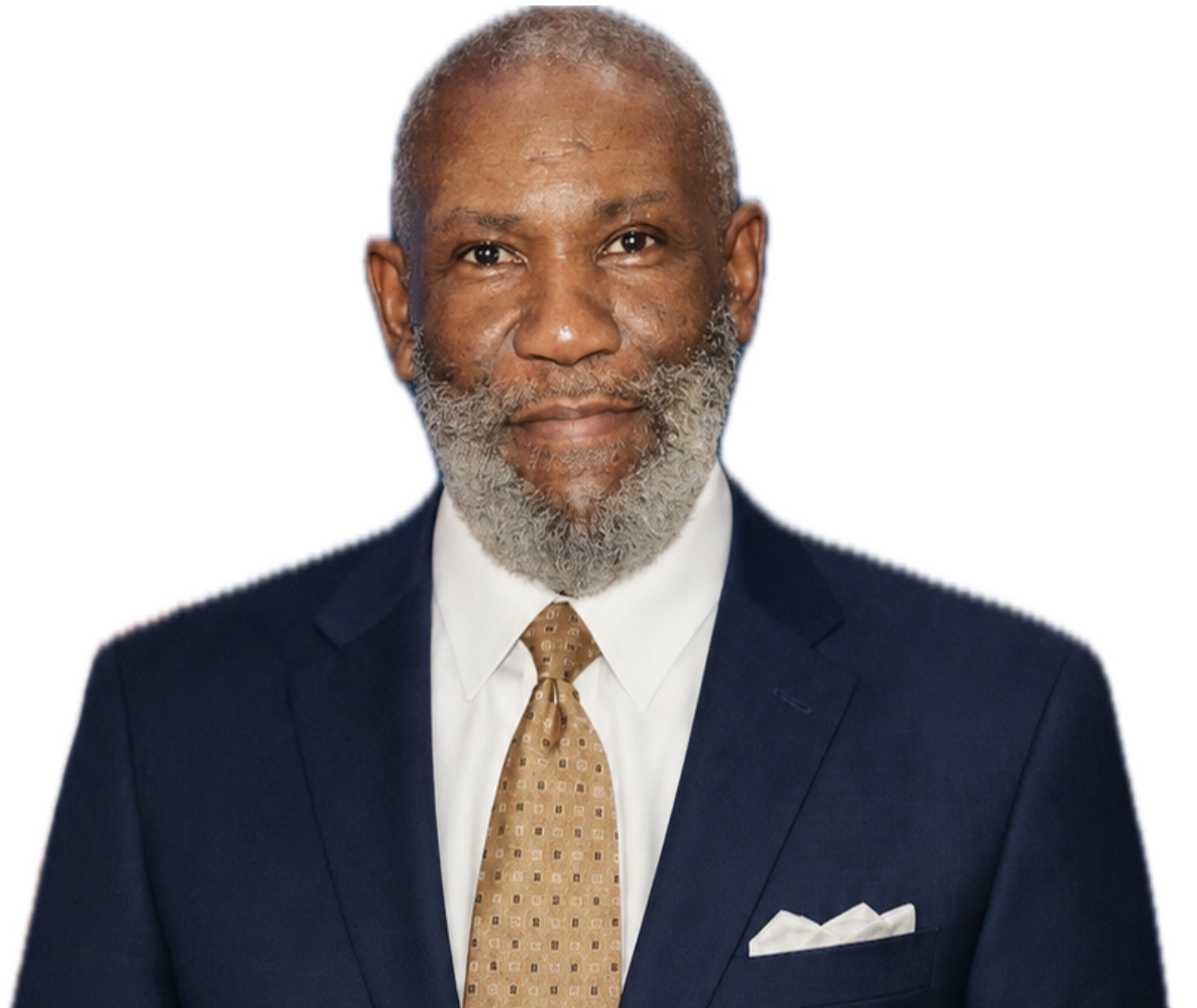
Jimm Middleton
“The board should have a strategic plan in place so they can get things done and, by golly, make announcements about what is going on,” said Middleton, an IT manager at Walt Disney World. “They are too quiet about it.”
He said he was first inspired to run for the board in 2016, unsuccessfully, after seeing the reports about lead in the water in Flint, Mich. He said he is driven by an interest in service and the environment and wants to help people in Central Florida learn to keep their water and soil clean.
“I do not see this as a springboard to run for a higher office,” he said. “I’m doing it solely for the purpose of helping out the community.”
Some board members have sought other offices without leaving much of a mark on the district. Multiple current candidates blame that inactivity as one reason behind the weak state of the board today, though its biggest problem is the absence of a regular source of funding.
Daisy Morales, who was elected to the district board in 2014, missed nearly a year of meetings in 2019 and 2020, which other board members said made it difficult to conduct business. She ran for a state House seat and won in 2020 but lost re-election. This year, she ran for House District 43 but lost the Democratic primary to Samuel Vilchez Santiago.
Middleton isn’t raising any money for his campaign. Zack Green, the other candidate for Seat 5, which includes Maitland, Winter Park and the northeast rural portion of the county, did not respond to requests for comment and also has not reported any financial contributions.
“I’m doing it the old-fashioned way,” Middleton said. “I’m talking to people. I’m posting on social media. It doesn’t make sense to ask people to donate money to this campaign when the current board doesn’t have any money. If you’re going to donate, donate to the board itself.”
According to the district’s current budget plan, it will hold a fundraiser in November, an attempt to raise the board’s profile and build a cash balance that is starting from nearly zero. The district projects about $3,000 in cash and nearly $1,000 in expenses, including renting a post office box, maintaining its rudimentary website and buying supplies for outreach and education events, such as handouts and volunteer shirts.
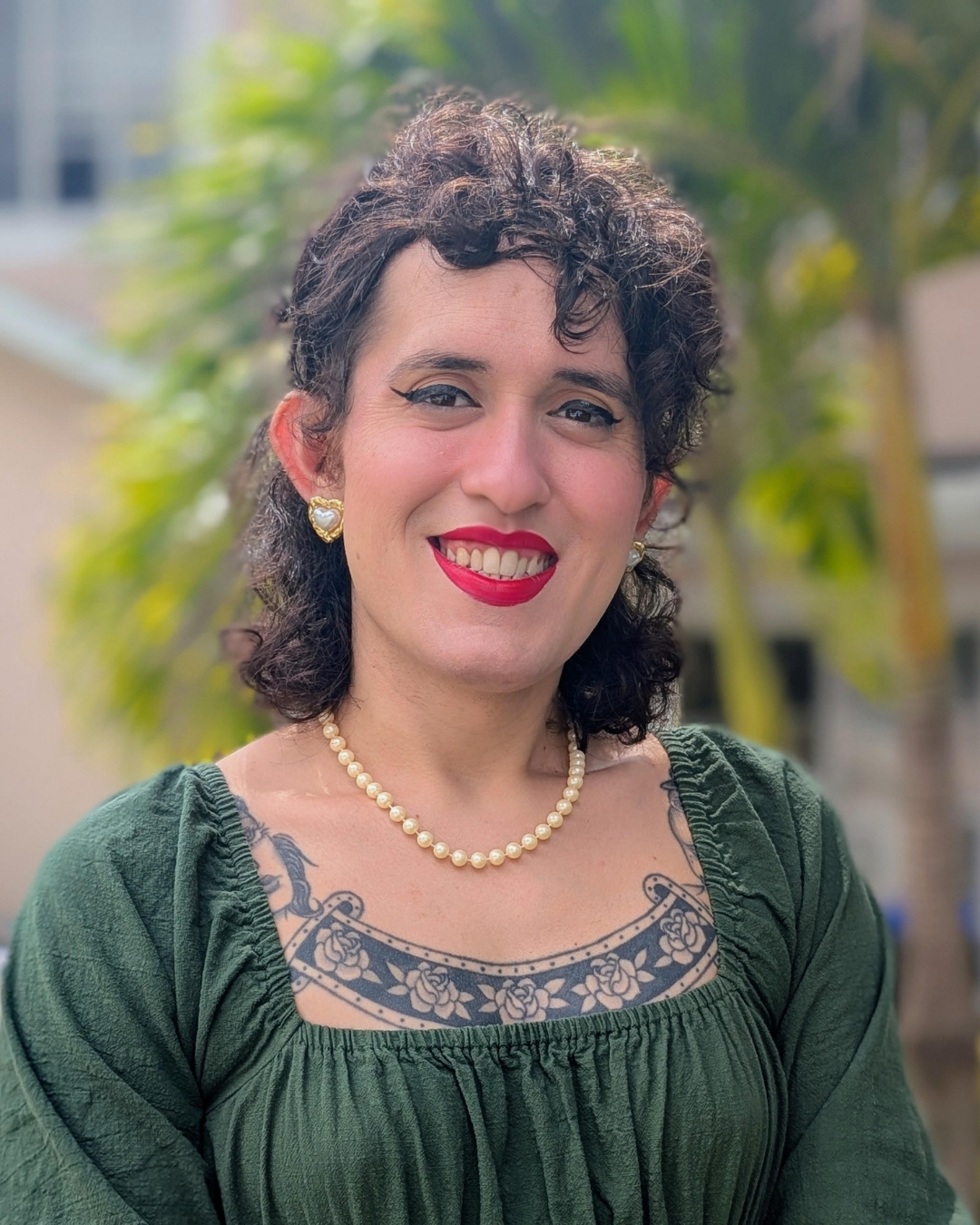
Quinnie Perez
Its most critical budget item is a donation in the form of space and services from Orange County government valued at about $11,000. The donation includes a meeting room for the board, broadcasts of its meetings on OrangeTV and some legal services.
The board members use their personal email addresses to conduct business and, without a staff, volunteer for different roles such as acting as treasurer, keeping records, sending out agendas and minutes and updating the website and Facebook page.
Quinnie Perez, a candidate for Seat 1, is the only candidate who has raised substantial funds: about $4,500, more than the district itself currently has to spend.
She said she wants to bring her experience on other political campaigns and in community organizing to the district to jumpstart awareness of its purpose.
Perez describes herself as the daughter of Mexican farmworkers. She grew up in Ocala and now works in the medical cannabis industry.
“It doesn’t matter if you are running for soil and water or city council or something else, there’s a lot going on with our environment and it’s very important we are advocating for these issues,” she said. “It’s the kind of position that you can make your own, and that’s what I plan on doing by holding regular office hours, even if it’s in the library, and showing people how they can access grants that are available to them.”
In addition to running for an office few voters know about, Perez says she has faced challenges as a transgender woman who has sometimes been met with hostility online.
“I do get stares,” she said. “I always direct them back to the policy. I’ve gotten more harassment on social media than anywhere else … it can work to my advantage because I stand out. It would be a historic race if I’m elected.”
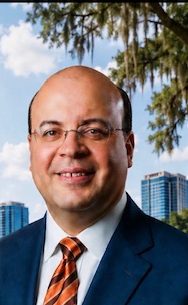
Vicente Perez Carreno
Perez would be the first openly transgender person elected in Florida if she is successful in November.
Vicente Rafael Perez Carreno, who is also running for Seat 1 and serves as the district’s current volunteer treasurer, said he believes in the mission of the district and wants to help it raise more funds through private donors, partnerships and grants.
As an immigration and employment lawyer who also serves as legal director for Casa de Venezuela in Orlando, he said he is driven to run by his passion for environmental issues and an appreciation for the role agriculture plays in the local and state economy.
“One of our greatest challenges is public awareness,” Perez Carreno said of the district, noting that the group must do more to foster collaborations with other organizations such as the school district and recruit more volunteers willing to spread its message across the urban and more rural areas of the county.
Doug Sahr, the third candidate for Seat 1, which covers the southwest portion of the county from Oakland through Winter Garden and Windermere down to Lake Buena Vista, did not return calls seeking comment.
Perez Carreno has joined with Melear and Middleton to run as an unofficial slate for the three seats up for grabs this year. They call themselves “Team VEJ,” for their first initials.
For voters who live in the areas covered by Seats 1, 3 and 5, the soil and water candidates will appear nearly last on their ballots, just above the state constitutional amendments.
None of the candidates has the name recognition, dollars or buzz of those at the top of the ballot for U.S. Senate, governor or even Amendment 3, which would increase homestead property tax exemptions. But some are choosing to count their wins one voter at a time, particularly as mail voting has already started and early voting is set to begin Oct. 19.
Melear, for example, said he was recently at an Einstein Bros. Bagels working on a mock-up of a campaign sign when a woman sat down next to him and happened to notice the name.
“She said, ‘Oh, I just voted for him,’ and I said, ‘Oh, I happen to be him,'” Melear recounted. “I was almost moved to tears.”
WinterParkVoiceEditor@gmail.com
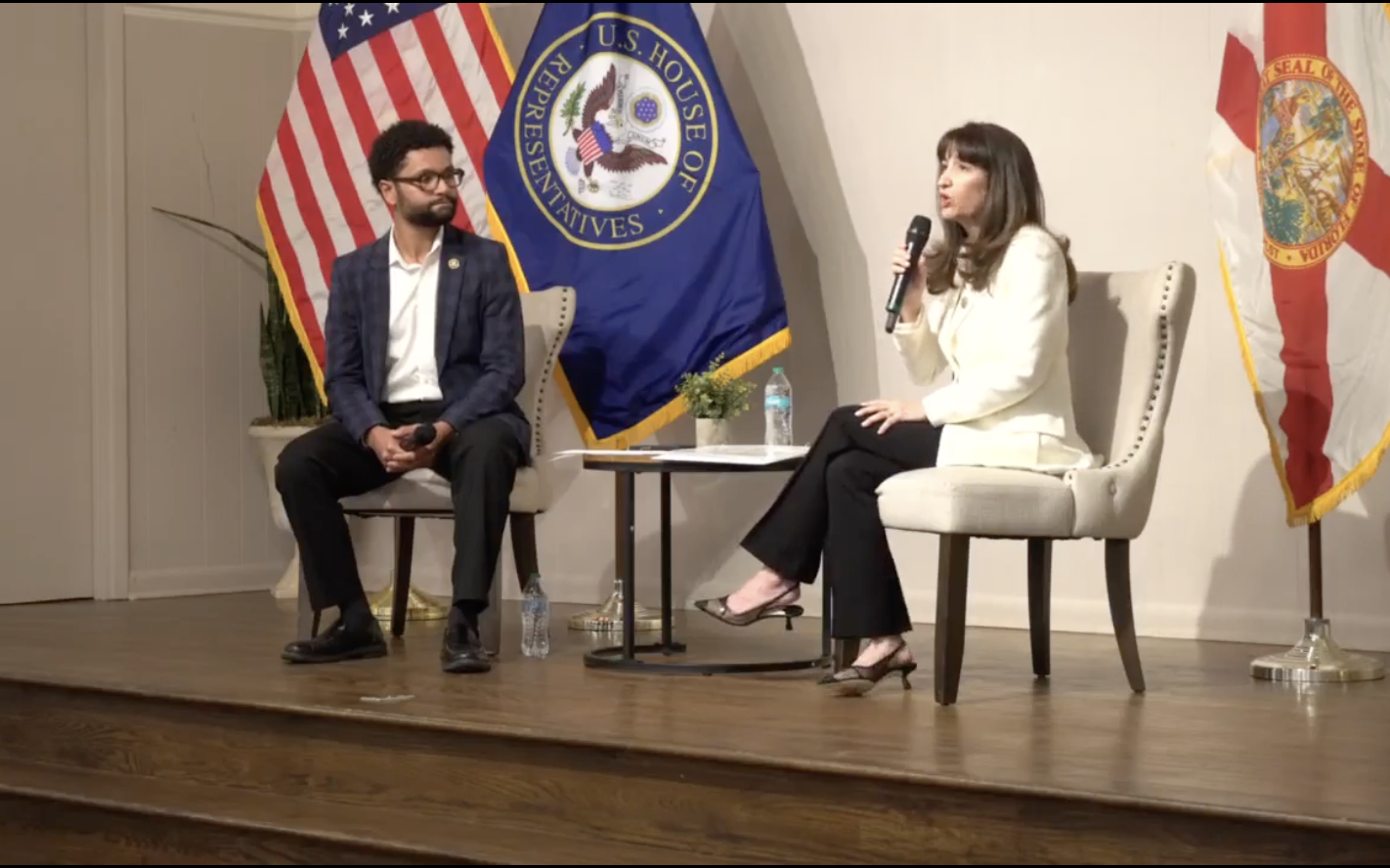
Maxwell Frost and Sheila DeCiccio hear from Winter Park residents on SunRail, Amendment 3 and More
At a town hall held at Mead Botanical Garden this week residents also asked about everything from AI policy to Tourist Development Taxes
Oct. 2, 2026
By Gabrielle Russon
On a Friday in March, more than 12,000 passengers rode SunRail to and from Central Park to visit the Winter Park Sidewalk Art Festival.
But that weekend, the SunRail shut down like normal for the remainder of the festival. No trains ran, no matter how much Winter Park officials wanted them.
“We beg them. We will pay you. Can we please have it on the busy weekend?” Winter Park Mayor Sheila DeCiccio said. “Wouldn’t that be great for Winter Park?
The answer — still an emphatic “no.”
Now, DeCiccio said she is “leading the charge with the mayors in Central Florida to ask the Legislature to change the law and free up the hundreds of millions of Orange County hotel tax revenue to help fund public transportation.
DeCiccio and U.S. Rep. Maxwell Frost held a 90-minute town hall Thursday night at Mead Botanical Garden to listen to residents’ concerns and talk about the citywide issues, including parking, traffic and a lack of public transportation.
One resident asked if it was a good sign that SunRail got special late-night weeknight trains to transport theater-goers seeing “Hamilton” this month at the Dr. Phillips Center for the Performing Arts.
“I hope so,” DeCiccio said as she said she keeps working on expanding weekend SunRail service.
Winter Park is a regional tourism destination with a thriving Saturday farmer’s market, weekend Track Shack running races and beloved holiday traditions in the downtown that draw thousands. And the city’s train station allows passengers to hop on and off the rail from the center of most of the action: Central Park.
“Really it should run all weekend because there’s so many people that come in and out,” the mayor said.
DeCiccio sent letters to other local mayors urging them to join the fight in reforming the 6% hotel tax which is also known as the tourist development tax (TDT).
Frost, who represents the city of Winter Park in Congress, also called transportation one of his top priorities. He expressed support for using TDT money for transportation but said he hopes federal funding from an infrastructure package emerges after the November election when Democrats are predicted to make up ground in Washington, D.C.
The lack of public transportation “is really holding us back” and preventing Central Florida from attracting large-scale events and helping tourism workers get to their jobs, Frost said.
US Rep. Maxwell Frost and Winter Park Mayor Sheila DeCiccio speak to residents on Oct. 1 at at town hall at Mead Botanical Garden.
At Thursday’s town hall, other residents used their moment of face time with the two elected officials Thursday to complain about Winter Park’s brick streets, express their fears about the threat of artificial intelligence and ask about other issues.
Don’t hold your breath for any immediate federal laws to protect humanity from AI.
“I’m going to be honest with you guys. Part of the problem is Congress lacks the expertise and technology to be able to move forward and pass real comprehensive legislation,” Frost said.
Dominating Thursday’s discussion was Amendment 3 as both DeCiccio and Frost expressed their concerns about the constitutional amendment to increase non-school homestead exemptions.
Amendment 3 is the latest threat to local governments after the state has been eroding away at local home rule for years, they said.
“We had an ordinance you couldn’t just take down a big beautiful oak or tree in your yard,” DeCiccio said, citing an example of how the state is superseding Winter Park’s authority to make decisions. “We love our trees. It’s part of our charm. It’s part of our character. It keeps us cool.”
Instead Tallahassee passed a 2022 bill allowing people to cut down a dead or dying tree without a local permit which developers are taking advantage of to remove trees, DeCiccio said.
Local governments losing millions of revenue would be forced to ask Tallahassee for approval and funding.
“They’re trying to push our local governments to have to go to Tallahassee and beg for crumbs and money to be able to do anything. And that’s about power,” Frost said.
DeCiccio warned the city would be forced to close the library “a few days a week” and its police and fire response times would get slower. Also potentially getting cut would be city festivities in the park to celebrate holidays, “all of the things that make Winter Park so very special,” she said.
One resident asked how people can get involved to help defeat Amendment 3.
“One thing is to have conversations with people in your neighborhood,” said Frost, whose political career started as a community organizer. “You know who are the homeowners, who are the tenants. Reach out to a neighbor and talk to them about it. … If everybody in this room spoke with 20 people between now and Election Day, that could literally mean the difference between it passing and it not passing.”
If at least 60% of voters approve the Amendment 3 on Nov. 3, the constitutional amendment would increase the state’s non-school homestead exemptions to $150,000 in 2027 and $250,000 in 2028, and tie further increases in 2029 annually to inflation.
New Florida residents would be required to wait five years to get the full property tax break.
Under Amendment 3, Winter Park City Manager Randy Knight previously said the city would need to cut an estimated $3.7 million in the first year, followed by another $7.5 million the second year.
The Florida Realtors, which spent $10 million on its Vote Yes on 3 political committee last month, are the loudest advocates for Amendment 3, along with conservative state lawmakers and Gov. Ron DeSantis who have been calling out for property tax relief for months.
Real estate agents make their livings off commissions from home sales and a report published on Realtor.com asserted that eliminating property taxes on owner-occupied homes would increase prices by 7% to 9%. In turn, such a move would also juice commissions for Realtors.
“Florida families are facing rising costs from every direction, from housing and insurance to groceries and everyday necessities. Amendment 3 provides meaningful property-tax relief at a time when many homeowners need it most,” said the Florida Realtors in a statement this week.
Meanwhile, the Florida Sheriffs Association, the Florida State Fraternal Order of Police and the Florida Professional Firefighters have come out strongly against Amendment 3 with the groups saying it could have the opposite effect by eating into the appeal of safety and other amenities provided by local governments that make many neighborhoods so desirable.
WinterParkVoiceEditor@gmail.com