
by Beth Kassab | Dec 8, 2023 | City Commission, Election, News, Uncategorized
New candidate enters mayoral contest as qualifying deadline nears
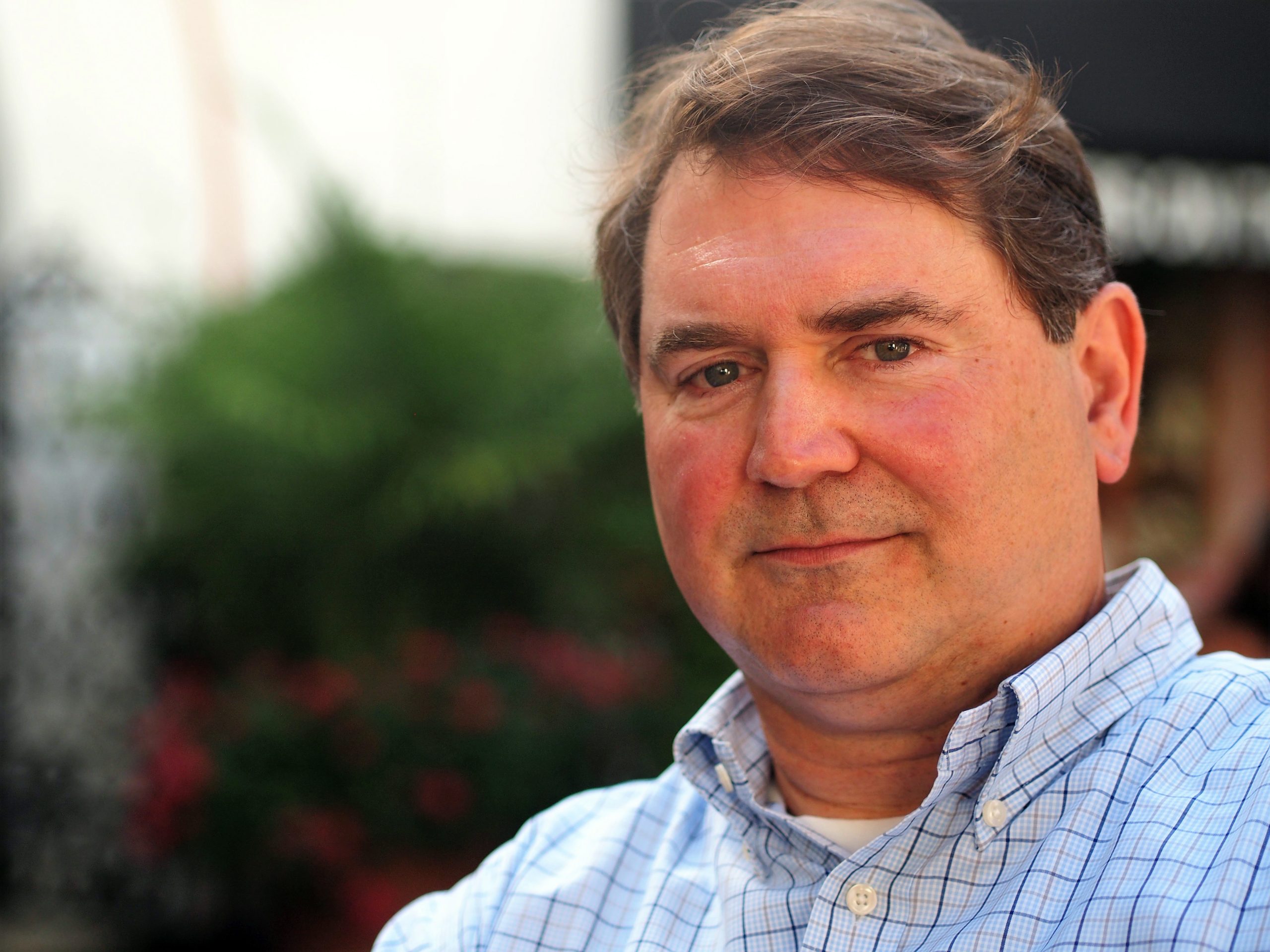
First-time candidate Michael Cameron Sidawi opened a campaign account to run against Vice Mayor Sheila DeCiccio
Dec. 8, 2023
By Beth Kassab
Vice Mayor Sheila DeCiccio drew an opponent in her bid for mayor with real estate school owner Michael Cameron Sidawi filing to run against her.
Reached by phone on Friday, Sidawi told the Voice he wasn’t yet ready to discuss his campaign and declined to answer questions.
He has until Monday at noon to turn in the required petitions to secure a spot on the March 19 ballot.
DeCiccio turned her petitions in earlier in the week and said she is focused on getting her message about maintaining Winter Park’s charm and fixing infrastructure needs in front of voters.
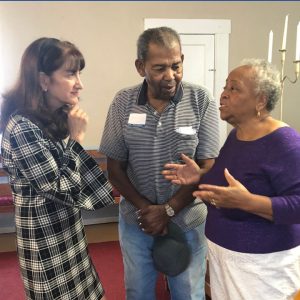
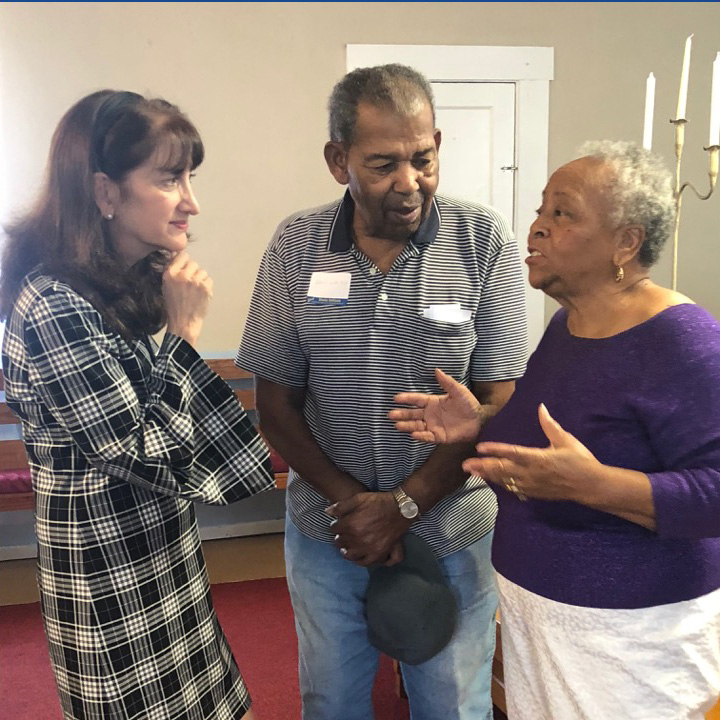
Sheila DeCiccio talks with residents at a meet-and-greet event. (Courtesy of DeCiccio’s campaign.)
“I am looking forward to running a positive campaign and highlighting the accomplishments of Mayor [Phil] Anderson and the commission, discussing the issues, answering questions and, most importantly, listening to the residents and giving them a voice at City Hall,” DeCiccio said.
She announced her campaign in October and resigned from Commission Seat 2 effective after the election in order to run. That triggered an election for Seat 2, which has drawn three candidates so far.
Jason Johnson, an attorney, and Craig Russell, a teacher and coach at Winter Park High School both submitted their qualifying petitions to run for the seat.
Stockton Reeves, director of the Center for Public Safety, is also running for Seat 2, but has not yet submitted his petitions.
WinterParkVoiceEditor@gmail.com
To comment or read comments from others, click here →
by Beth Kassab | Dec 8, 2023 | City Commission, News, Zoning and Development
P&Z board approves new 300-bed Rollins dorm
The proposal to increase an existing dormitory from 80 to 300 beds comes as the college is also seeking approvals for a faculty and staff apartment building
Dec. 7, 2023
By Beth Kassab
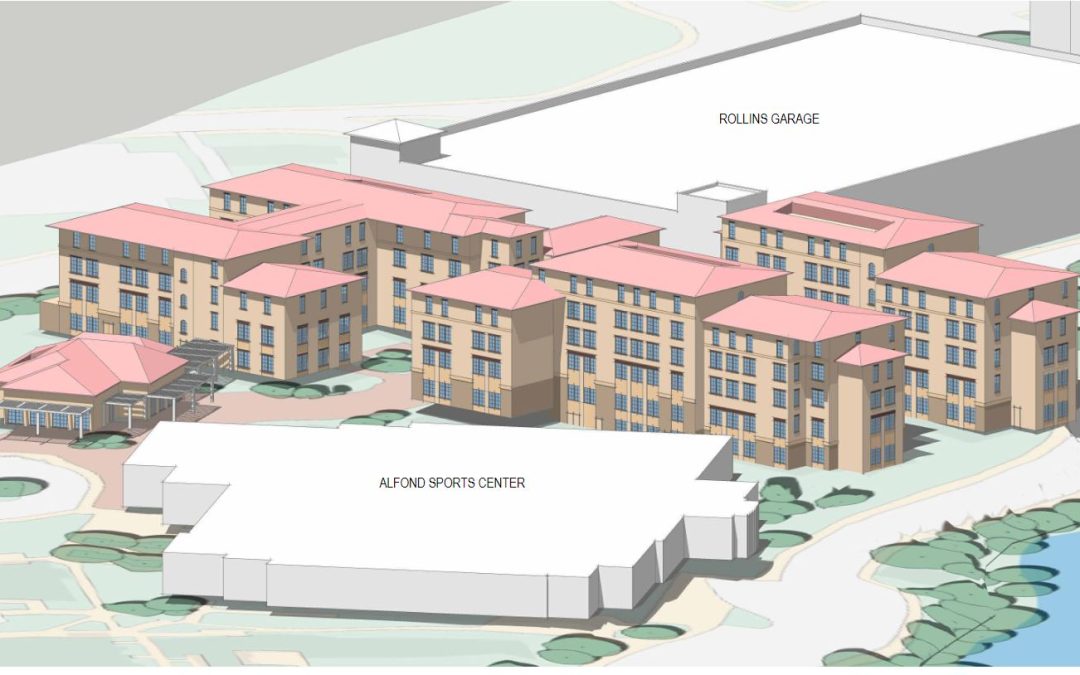
The Planning & Zoning Board this week green-lighted a new student housing project on the Rollins College campus, which would increase the existing Holt Hall from 80 to 300 beds.
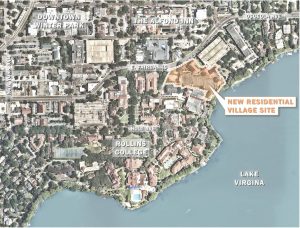
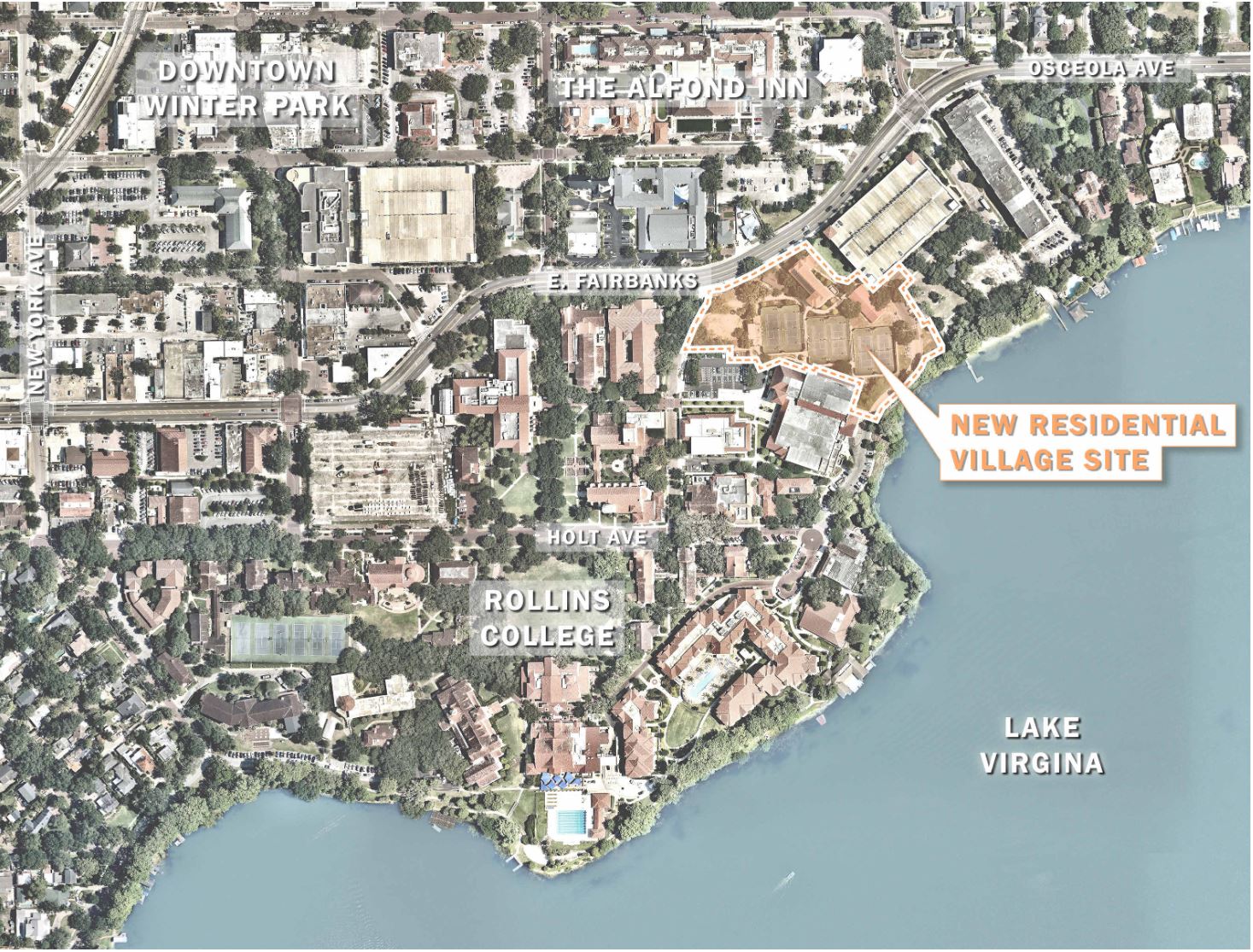
The project at 1000 Holt Avenue next to the Tennis Center was unanimously approved by the board and plans for the up to 6-story and 139,000-square-foot building are expected to come before the City Commission in January.
 Sam Stark, Rollins’ vice president for communications, said the new dorm along with a proposed faculty and staff housing complex on New England Avenue are the latest ways the college is offering more students the opportunity to live on campus and more faculty the chance to live nearby.
Rollins is not growing, he said, noting that the number of undergraduates will remain at about 2,200 along with about 230 faculty and 500 staff.
“We’re not in a growth spurt,” he said. “Our real value proposition is student engagement with faculty and staff so the idea is to be able to have those faculty and staff closer so they can attend clubs and games.”
Stark said the college knows anecdotally that professors are driving to campus from everywhere from Winter Garden to Winter Springs and beyond. The median home price in Winter Park, where many neighborhoods and the campus are nestled on expensive lakefront property, are consistently higher than much of the rest of the region.
Rollins already offers faculty the opportunity to rent a small number of college-owned townhomes near Mead Botanical Gardens, but is looking to expand that program with 48 units just west of Central Park between New England and Welbourne.

A rendering shows a faculty and staff apartment project proposed by Rollins College.
A small number of graduate student units exist there now.
Rollins already owns the five parcels of land and does not pay property taxes on the highest-valued parcel at 273 W. New England where grad student housing stands now. Stark said he expected that the college would continue to be exempt from property taxes, including on the other four parcels that are currently vacant, once the new project is built. Nonprofit educational institutions are exempt from certain taxes when land is used to advance their educational mission.
The faculty housing project, which is expected to be rented at about market rate, is expected to go before the Planning & Zoning Board in January and then will go before the City Commission.
Stark said the hope is that both projects will take more cars off the roads since more faculty and students will be able to walk or ride bikes to class.
He said concerns that the faculty units would eventually be rented to students and essentially become a dorm that hops Fairbanks Avenue from the main campus are unfounded.
“That’s not happening,” he said. “There is no interest, no desire … it would remain as staff and faculty housing exclusively.”
WinterParkVoiceEditor@gmail.com
To comment or read comments from others, click here →

by Beth Kassab | Dec 1, 2023 | City Commission, News, Zoning and Development
Rollins seeking to build apartments for faculty west of Central Park
The three-story project proposed between New England and Welbourne avenues would provide affordable housing for people who work on the campus
Dec. 1, 2023
By Beth Kassab
Rollins College is asking the city for approvals for a three-story apartment project west of Central Park that will span more than 80,000-square-feet and hold 48 units.
Affordable housing is a challenge in Winter Park, where the median list price is $600,000 or more than $100,000 higher than the median for all of Orange County, according to Realtor.com.
“This project allows Rollins to attract and retain faculty and staff by providing quality, affordable housing close to campus,” Rollins spokeswoman Lauren Bradley said in a statement. “This workforce housing initiative is another way Rollins can stay competitive in recruiting talented individuals who educate and support our students.”
The request for changes to the city’s comprehensive plan will go before the Planning & Zoning board Jan. 9 and the City Commission on Jan. 24, according to a city notice.
Rollins already owns the land along Welbourne, New England and Virginia avenues. Some of the land is vacant, but an apartment building stands on one of the parcels.
WinterParkVoiceEditor@gmail.com
To comment or read comments from others, click here →
by Beth Kassab | Dec 1, 2023 | City Commission, Election, News
Winter Park High coach enters commission seat race
Three candidates are now vying for Seat 2 on the City Commission while Commissioner Sheila DeCiccio remains unopposed headed into qualifying
Dec. 1, 2023
By Beth Kassab
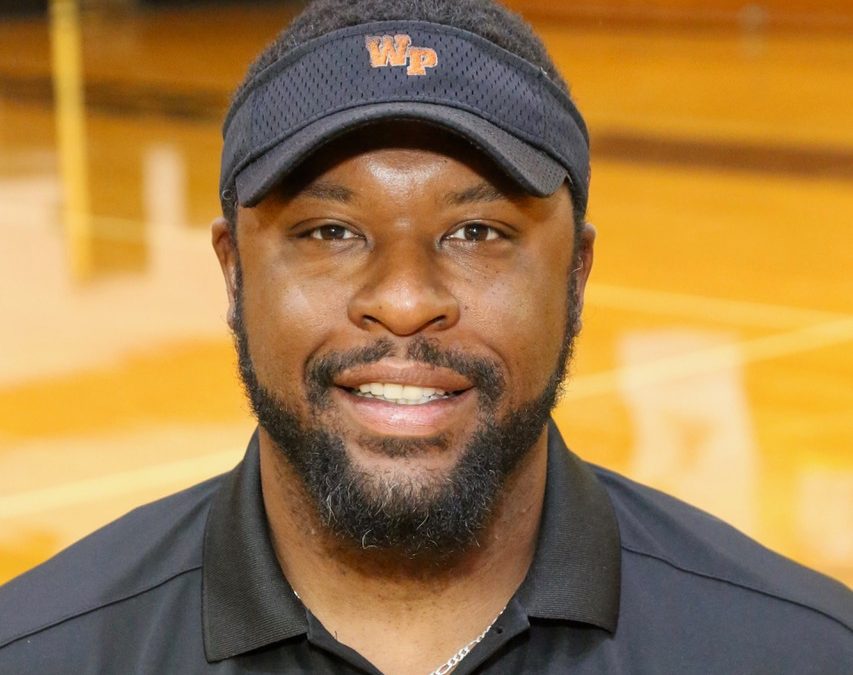
Winter Park High School football and wrestling coach Craig Russell said this week he would run for City Commission Seat 2, making it a three-way contest as Sheila DeCiccio remains unopposed for mayor.
Jason Johnson, an attorney, and Stockton Reeves, who runs a public safety firm, are also running for the commission seat that opened when DeCiccio, also an attorney, decided to run for mayor.
The qualifying period for the March 19 election opens on Monday and runs until Dec. 11.
Russell, 43, graduated from Winter Park High and the University of Central Florida before he began his 20-year teaching and coaching career at his alma mater. He is an assistant football coach and head wrestling coach and teaches weightlifting. He said he wanted to enter the race to bring a voice from his generation to City Hall.
“I feel like it’s time for me to step up from my generation to help bring a change for our leadership and our community,” said Russell, a first-time candidate for office. “I want to make it better for our kids.”
He said creating more affordable housing and extending the city’s Community Redevelopment Agency west of downtown are among his priorities.
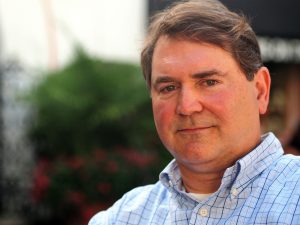
Stockton Reeves, candidate for Winter Park City Commission.
Russell, who is Black, said he doesn’t want to make his race an issue in the election, but he is aware that Winter Park has not had a Black commissioner more than 130 years.
“I think me getting up there and voicing my experience will remind people we’re a lot more inclusive than we have a reputation to be,” he said.
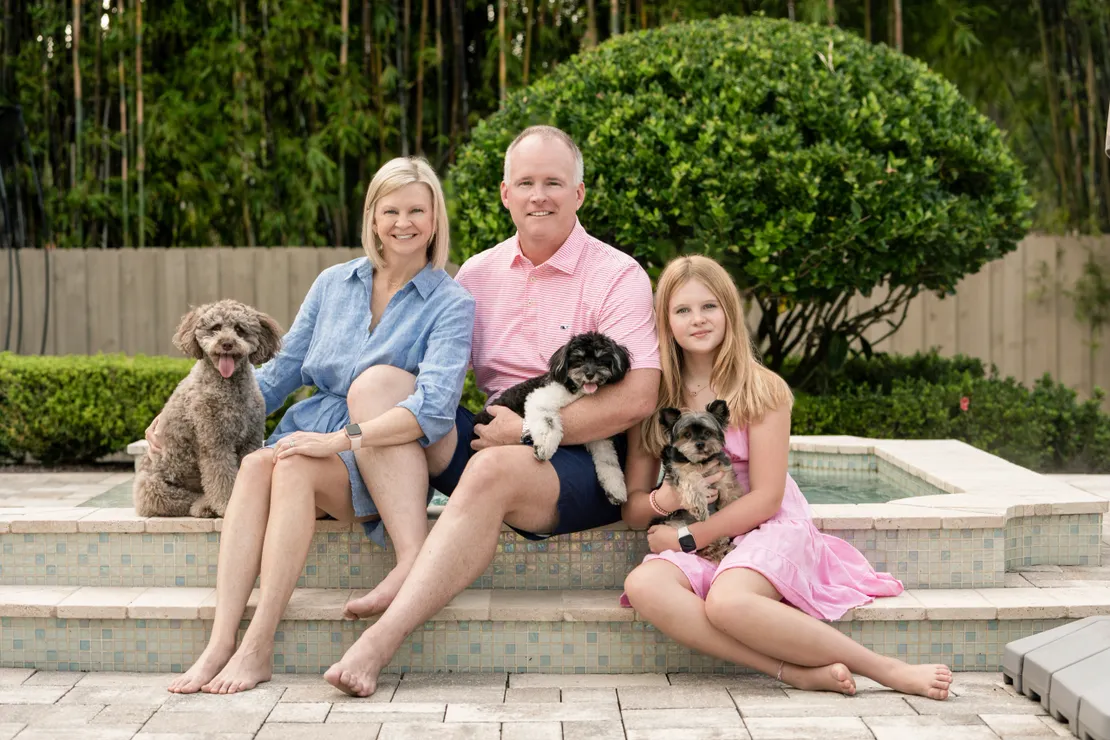
Jason Johnson, an attorney in the Winter Park office of the Byrd Campbell law firm, announced in October that he will run for the seat. He is also a first-time candidate who has lived in Winter Park for 13 years with his wife, Lori, and their daughter. He serves as chairman of the city’s Board of Adjustments, which rules on homeowner applications for building variances.
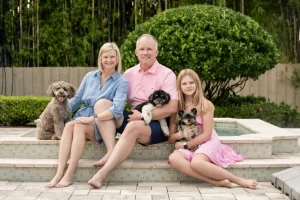
Jason Johnson, candidate for Winter Park City Commission, with wife, Lori, and daughter, Molly.
Johnson, who estimated he has raised about $17,000 in his campaign account so far, said his main priority is preserving Winter Park’s charm.
“It’s all about preserving this community that we all love,” Johnson said.
Stockton Reeves, executive director of the Center for Public Safety, also entered the race in October. He ran for the Florida House in 2018 and lost to Rep. Anna Eskamani in the general election. He has served on a number of city boards and is now vice chairman of the Civil Service Board and has run for commission before, but was not elected.
Reeves, who describes himself as a third-generation resident of the city, could not be reached for comment. But he earlier told the Voice that advocating for police and firefighters is among his top priorities.
WinterParkVoiceEditor@gmail.com
To comment or read comments from others, click here →
by Beth Kassab | Dec 1, 2023 | Uncategorized
Looking for the holiday spirit? Check the city's event schedule
From Nights at the Morse to the annual boat parade, Winter Park offers something for everyone
Dec. 1, 2023
By Beth Kassab
December is busy for everyone, but especially in the city of Winter Park where the calendar is jam-packed with holiday festivities.
You can find a full calendar of events here.
Wreaths Across America, the boat parade, Chanukah on the Park, visits from Santa and special events at the Morse Museum are all part of the lineup. Don’t miss your favorites!
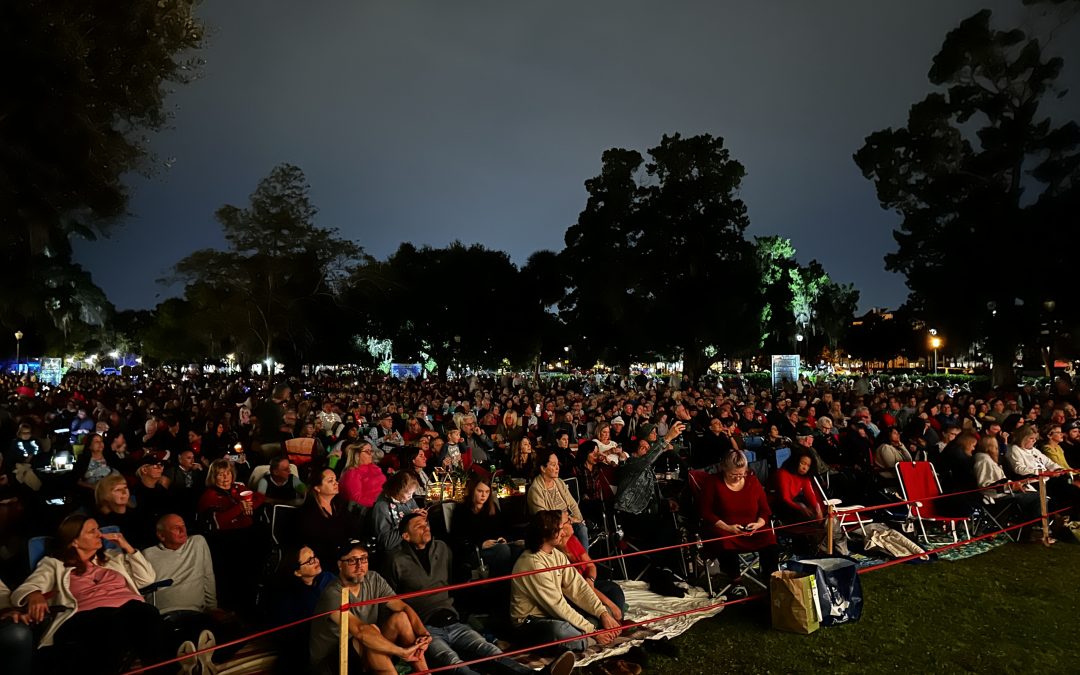
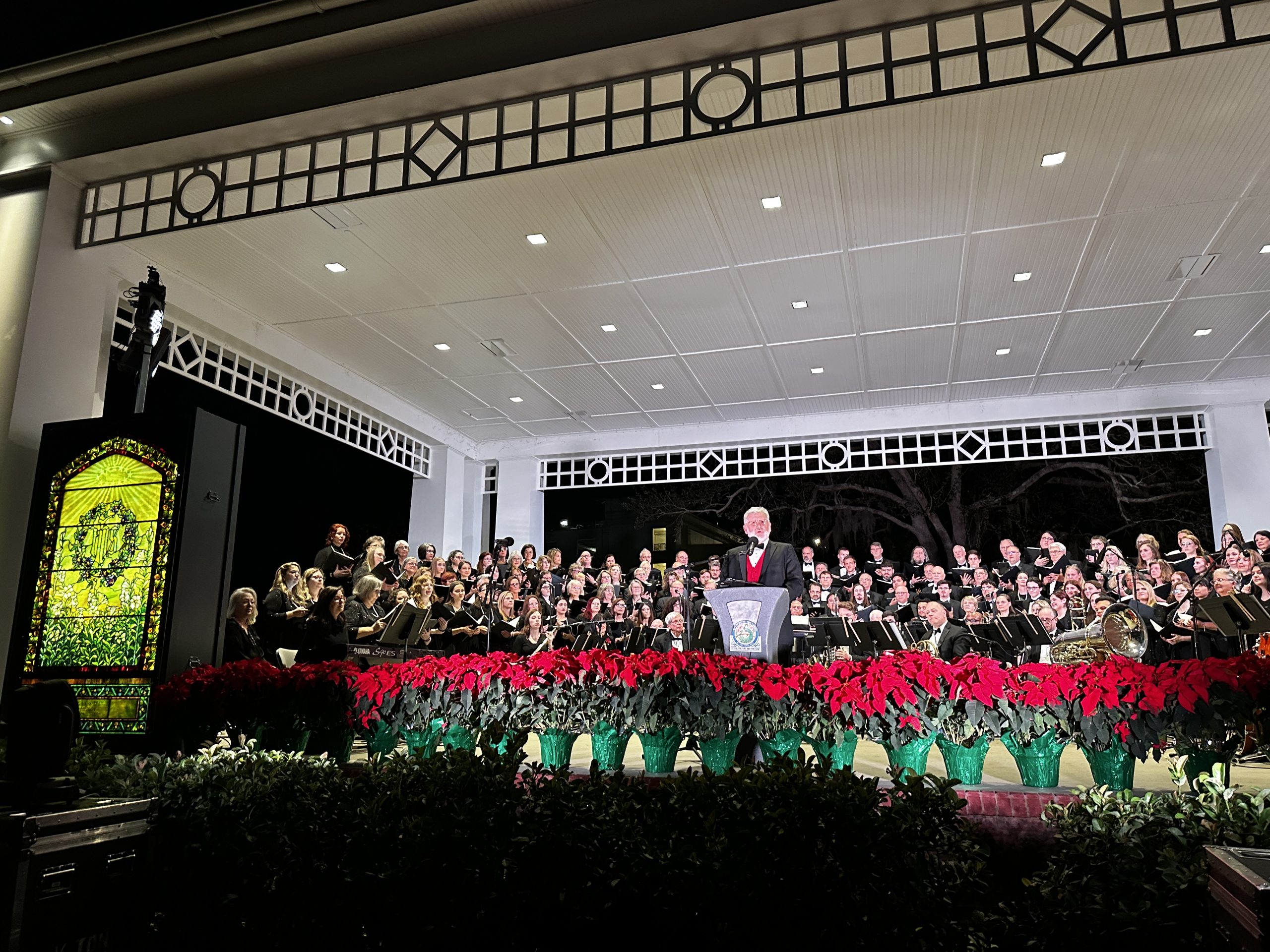
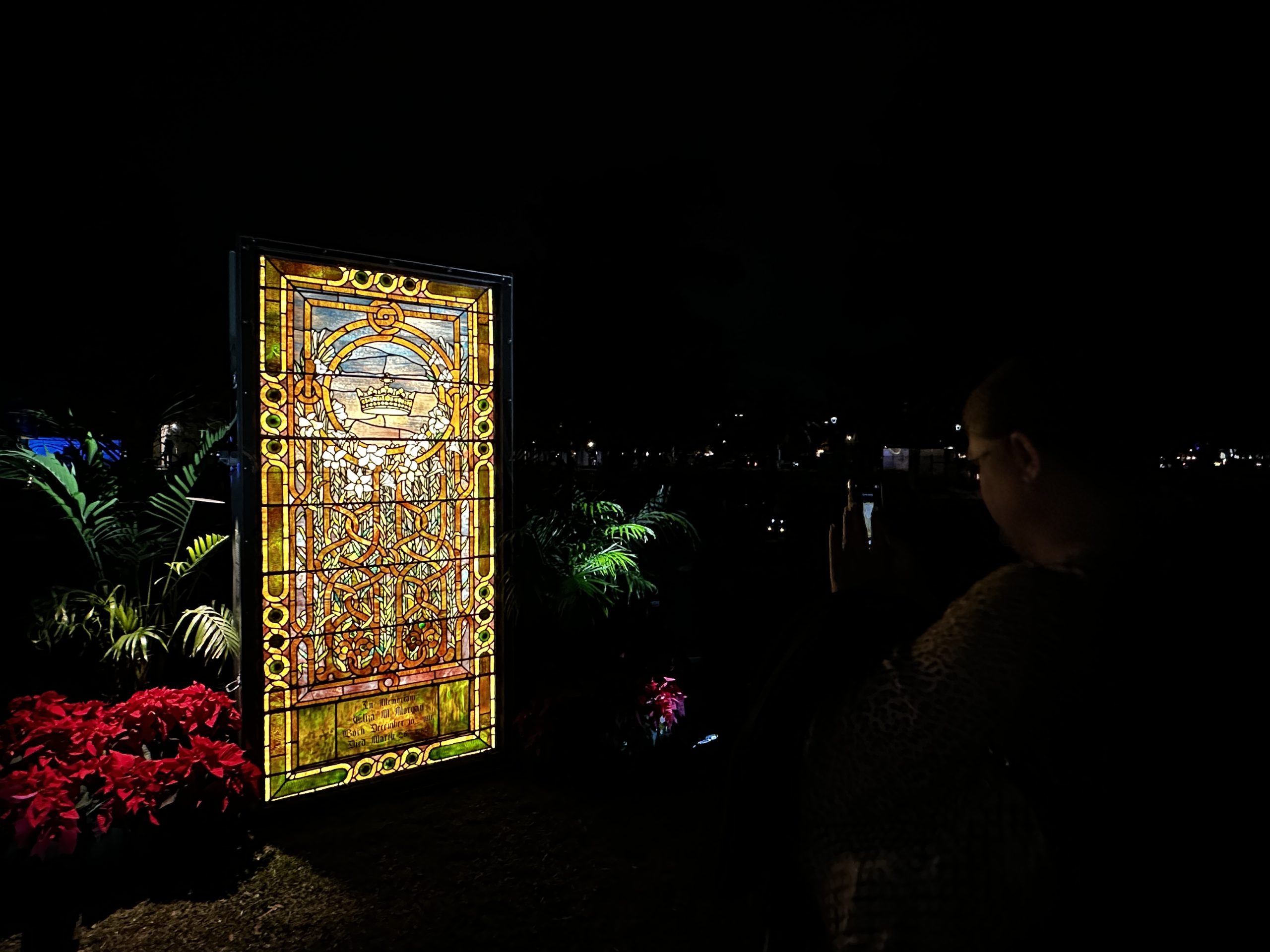
Here are a couple highlights from the event earlier this week that featured Tiffany glass in Central Park alongside the Bach Festival Choir.
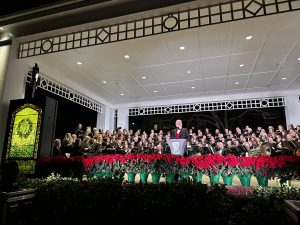
John Sinclair leads the Bach Festival Choir and Brass Ensemble at Christmas in the Park on Thursday. (Courtesy: city of Winter Park)
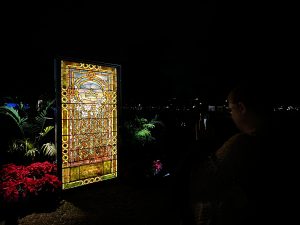
A Tiffany window on display in Central Park as part of the annual Christmas in the Park event. (Courtesy: city of Winter Park)
To comment or read comments from others, click here →

Recent Comments