by Beth Kassab | Sep 11, 2023 | City Commission, News, Uncategorized
Bank OZK tells city it will sell to another buyer
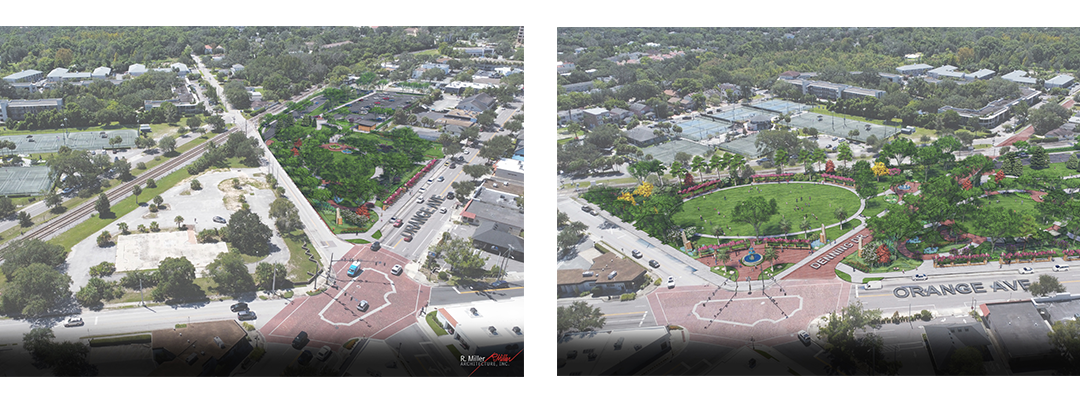
Commissioners and greenspace advocates had rallied to purchase the parcel on Orange Avenue to expand Seven Oaks Park
Sept. 11, 2023
By Beth Kassab
City Manager Randy Knight notified commissioners today that the owners of a 2-acre piece of land the city wants to buy to expand Seven Oaks park on Orange Avenue have accepted an offer from another buyer, according to an email obtained by the Voice.
Knight and City Spokeswoman Clarissa Howard did not return a request for comment.
Knight wrote that a broker for Bank OZK (formerly Bank of the Ozarks) told him “the Bank has accepted an offer from another party that met their price and has a more streamlined path to approvals and closing,” according to the email.
Commissioner Marty Sullivan, who had led the charge for the city to acquire the property, said it appears likely the vacant land will be developed into a commercial building, though the identity of the other buyer isn’t known.
“I’m extremely disappointed that Bank OZK did not ask us for a counteroffer,” Sullivan said.
Commissioners are set on Wednesday to take the first of two votes on the city’s more than $200 million budget for next year and are expected to discuss the purchase of the parcel and how to finance a deal.
Sullivan said the city’s lack of firm commitment to the deal could have influenced the bank to pursue another offer and wants a vote taken on Wednesday.
“If we can commit, it opens the possibility of the bank reconsidering,” he said.
In the latest round of negotiations, the city offered $6 million for the land appraised at $5.8 million and said it would waive more than $130,000 worth of mobility fees. The bank’s broker presented a counteroffer that included the $6 million sales price plus a waiver for $267,000 worth of transportation impact fees and the city would pay about $60,000 in doc stamp and title fees.
That offer was contingent on approval by the Bank OZK executive team and the city was still waiting to hear back when Knight was informed Monday that the bank accepted another buyer.
A call to the bank’s spokeswoman was not immediately returned.
The Winter Park Land Trust, which advocates for the preservation of greenspace, pledged at least $500,000 from board members toward the project.
Steve Goldman, chairman of the land trust’s board, also expressed disappointment over the loss of potential open space in an increasingly dense corridor.
“The job of the land trust is to look forward — not to just be concerned with our immediate needs — but to look out over the next few decades for a good city plan that balances park land against urban development,” said Goldman, who is also a supporter of the Winter Park Voice. “It’s very clear to everyone who studied this that we are going to need more park space if we are going to retain the feeling we currently have in Winter Park, which is the reason many of us moved here.”
Questions or comments? Email the editor at WinterParkVoiceEditor@gmail.com
To comment or read comments from others, click here →
by Beth Kassab | Sep 2, 2023 | City Commission, News, Uncategorized
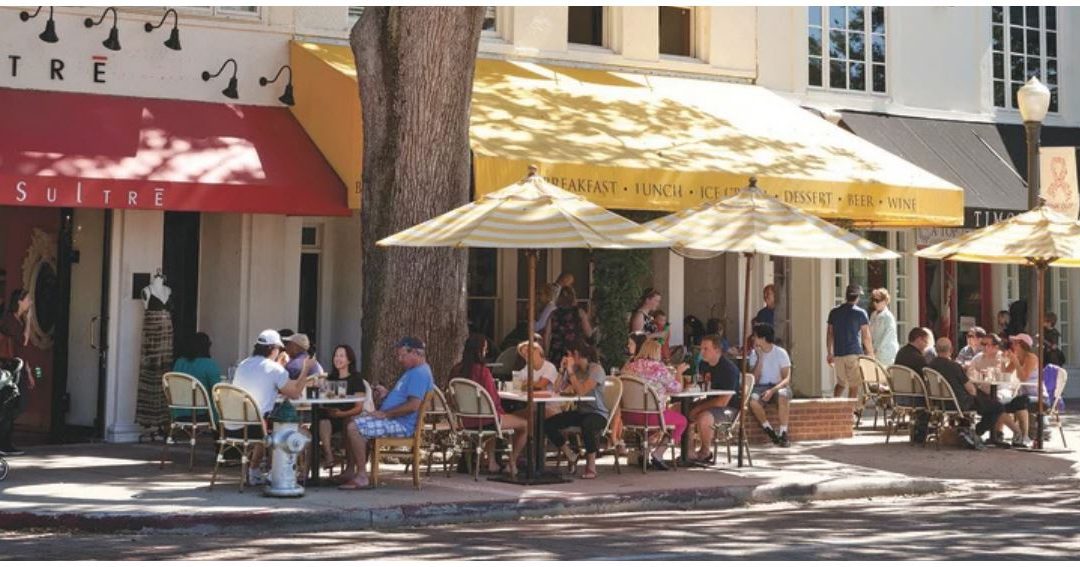
Former Mayor Joe Terranova remembered for service and mentorship
Current commissioners say they will miss his wise counsel and humor
Sept. 2, 2023
By Anne Mooney
Winter Park lost a leader and a friend this week. Former Mayor Joe Terranova, who was known as a champion for the city’s charm and status as a “premier urban village” died Monday. He was 98.
Terranova, who served as mayor from 1997 to 2000, was also a driving force behind the Center for Independent Living, a Winter Park-based nonprofit that promotes inclusion and accessibility for people with disabilities and served on the committee that helped create the Charles Hosmer Morse Museum of American Art, a cultural centerpiece of the city.
“Joe was a valuable counselor to all of us who serve the city,” said Mayor Phil Anderson. “He had a zest for living that took him around the globe serving his country and brought him back to Winter Park to serve his community. I will remember Joe’s smile and his understanding that the government is there to serve its citizens.”
He was a past president of the University Club and chaired the ad hoc committee responsible for extensive renovations to the Club and was a member of the Winter Park Historical Association and the Winter Park Library Board of Trustees.
Terranova was also an active member of St. Margaret Mary Catholic Church.
Commissioner Kris Cruzada recalled that he met the former mayor while he was campaigning for his own seat.
“He was a very dynamic and accomplished individual,” Cruzada said. “He’s the one who introduced me to Winter Park’s vision of being the premier urban village for our region – a concept I always felt while growing up in Central Florida, but was never able to articulate until he mentioned it to me.”
Commissioner Todd Weaver also met Terranova while campaigning and said he possessed a rare combination listening skills and the ability to dole out sage advice.
“We became instant friends,” Weaver recalled. “I don’t know many people who are as wise as Joe, or who can deliver a short answer with such humor and friendliness.”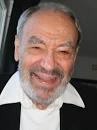
Terranova grew up in the Washington, D.C. area. After completing high school, he went into the Army during World War II. He was stationed in Europe, where he served in the 14th Armored Division, 25th Tank Battalion.
He returned to Washington in 1948 and entered Benjamin Franklin University to study accounting. In order to take the CPA exam, however, he found it necessary to transfer to George Washington University where he studied economics and successfully completed the CPA exam.
After graduation, Terranova worked at a couple of private CPA firms in D.C., but said he found the work dull. When the opportunity to join the Foreign Service presented itself, he jumped at it and thus began a distinguished career in the service of his country, according to his own account from a 1992 interview by the Winter Park History Museum.
His assignments took him all over the world. He went from Libera to Spain to Yugoslavia and back to Washington, D.C. The State Department had formed an audit team, and since Terranova was one of the few foreign service officers who was a CPA, he was asked to join.
After four years in D.C. he was back overseas, this time in Pakistan and from there to Paris. Asked during the museum’s interview what he liked best about Paris, Joe replied, “. . . I like to eat . . . and there is no greater place to be than Paris because that really is the capital of food as far as I’m concerned. There is no city or no country that has such an exquisite choice of food . . . and I took full advantage of it.”
The year was 1965, so it was not long before Terranova had to abandon his beloved Paris for a post in the American Embassy in Vietnam. Of his tour in Vietnam, Joe remarked, “Well, it was a most unusual way to conduct a civilian operation . . . while you’re fighting a full-blown war.”
He returned to the states for a sabbatical at the Navy War College in Newport, R.I. Toward the end of his tour there, he received a call from a friend asking if he wanted to return to Paris. “Well, I thought about that for about one-tenth of a second,” said Joe, “and said Yes! Back to the food!”
Terranova’s last assignment before he retired was at the Foreign Service Institute, an in-house training department for the State Department.
As he neared retirement, Joe and his wife decided they would like to end up in Florida. A close friend recommended Winter Park, and in 1981, the Terranovas came to Winter Park.
“Joe will be remembered for his service as mayor, his good humor, his willingness to listen, his time as a mentor and his warm and enduring smile,” said Vice Mayor Sheila DeCiccio. “He will be missed, but not forgotten.”
Special thanks to the Winter Park History Museum for access to the transcript of an oral interview with Joe Terranova from Sept. 27, 1992.
Questions or comments? Email the editor at WinterParkVoiceEditor@gmail.com
To comment or read comments from others, click here →
by Beth Kassab | Aug 19, 2023 | City Commission, News, Uncategorized
Bank of the Ozarks could sell land, move to Ravaudage
The 2-acre site on Orange Avenue would expand Seven Oaks Park as private land trust offers $500,000 to help with purchase
By Beth Kassab
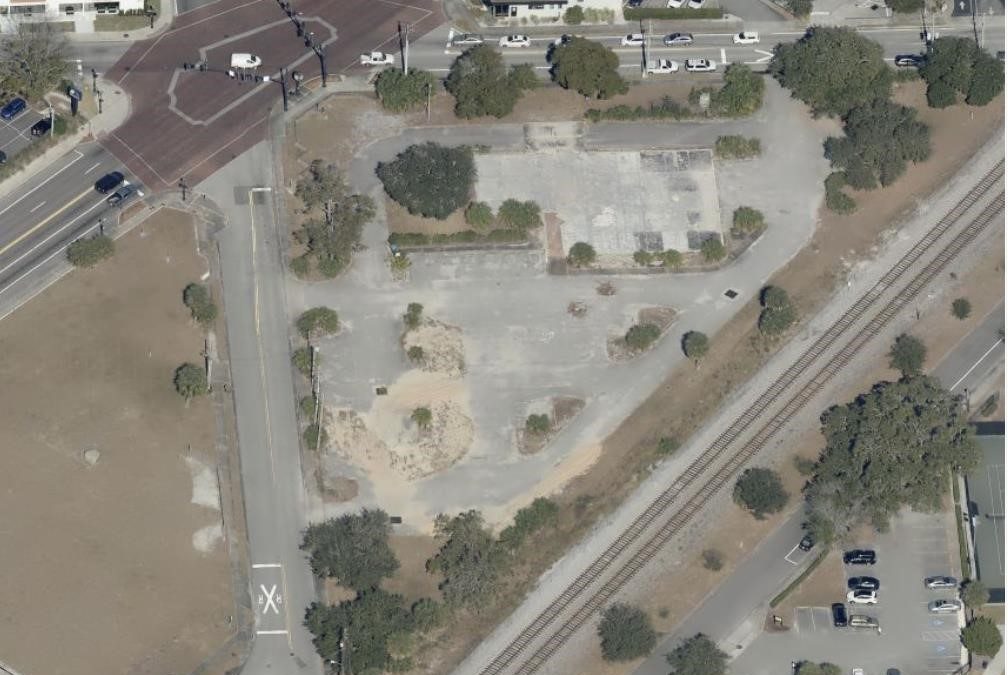
For Winter Park Commissioner Marty Sullivan and others who advocate expanding the city’s greenspaces, the nearly 2-acre vacant lot owned by the Bank of the Ozarks at the corner of Orange Avenue and Denning Drive could make or break a long-range vision for connecting the city’s park spaces.
If the city buys the land, a triangle-shaped parcel bordered by Seven Oaks Park on the west and Winter Park Tennis Center and Azalea Lane Playground on the east, a much larger plan to connect to Mead Gardens and reshape that stretch of Orange Avenue takes shape, Sullivan said.
“We have one shot at securing two acres of greenspace, which has tremendous value to the citizens and, studies show, tends to increase the value of surrounding properties,” Sullivan said. “The alternative is a three-story commercial building that would also hinder future transportation improvements on Orange Avenue … Having this greenspace … — this will be in the best interest of the citizens of Winter Park and that’s who I’m rooting for.”
But a deal hasn’t been easy. And is still uncertain.
The Bank of the Ozarks, which purchased the land from another bank in 2018 for $4.3 million and planned to build up to a three-story 80,000-square-foot branch office there, rebuffed an earlier offer of $6 million from the city.
Recently, though, the Arkansas-based bank, which operates 240 offices in eight states, signaled it may be willing to sell.
An alternate site for the bank at Ravaudage, the mixed-use development by Dan Bellows at the corner of Lee Road and U.S. 17-92, appears to be the game changer.
A donation of about $500,000 by the trustees of the nonprofit Winter Park Land Trust could also make a difference as city commissioners work to determine how they can pay for a number of projects that, so far, aren’t included in the budget. The contribution signifies how important the Land Trust believes the property is for the city’s future, said Steve Goldman, a local philanthropist and chairman of the Winter Park Land Trust board of trustees, who also supports the Winter Park Voice.
The Ravaudage land is in play, according to a city of Winter Park spokeswoman, who noted the “city, Ozarks and Ravaudage would all have to come to an agreement to make this work.”
A counteroffer from the bank also asked the city to waive all transportation impact fees at the new site, a value of about $267,000, and to waive about $60,000 in title fees and doc stamps on top of the $6 million sales price, according to an outline provided by the city.
The negotiations come as the City Commission is attempting to balance next year’s budget. The Ozarks acquisition, plus an estimated $2 million worth of improvements to the property, represents $8 million on a list of 20 projects totaling $18 million that the city doesn’t have budgeted over the next five years.
“How do we pay for it? That’s what it comes down to,” said Vice Mayor Sheila DeCiccio.
Commissioner Todd Weaver said he supports the purchase and using the city’s rainy day fund or reserves for a portion of the cost because of the benefits the land would provide not only in terms of new greenspace, but also underground stormwater retention and the flexibility it would bring for road and rail line improvements along Orange Avenue.
“It’s just the right thing to do because we end up paying it on back end [for stormwater runoff] by remediating nutrient loads in our lakes, because that is where it will all end up,” he said.
Mayor Phil Anderson, who expects the matter to come before the commission in September, said he did not want to comment on whether he supported the purchase until then.
An updated budget document noted timing “is an issue,” because the potential closing date on the bank property is just four months away in December. The document noted the sale of the property could be funded by borrowing from the city’s reserve fund, issuing a bond or financing the acquisition through the sale of other city property.
At a recent meeting, City Manger Randy Knight noted that the old library as well as a portion of the tree farm could be sold to raise dollars for other projects.
Commissioner Kris Cruzada said he is open to the idea of selling the old library if it makes financial sense and leads to the acquisition of another valuable public asset.
“It’s a tradeoff,” he said. “The useful life of the [old library] building may have fulfilled its purpose and we’re trying to build a much more robust park at the Orange Avenue Overlay area.”
But Weaver said he did not support putting the old library up for sale because the city has a request out to developers right now to submit concepts for the property.
“I’m very reluctant to put the old library on the table just for trust reasons,” he said. “We put out an RFP, and several nonprofits are working hard on that. That’s just not my first choice.”
Image courtesy of the Orange County Property Appraisers Office.
Questions or comments? Email the editor at WinterParkVoiceEditor@gmail.com
To comment or read comments from others, click here →

by Beth Kassab | Aug 12, 2023 | City Commission, News, Uncategorized
How will Winter Park pay for future? Here are three options
Sale of the old Winter Park Library could be back on the table as commissioners mull large infrastructure needs
By Beth Kassab
Winter Park commissioners heard an overview from City Manager Randy Knight about how they might pay for big-ticket items such as transportation improvements, flood control and new fire stations in the coming years, though the immediate consensus seemed to be that there is not enough time to prepare a bond referendum for the March 2024 ballot.
That means the earliest voters might be asked to approve taking on more debt for city projects would be 2025 unless the commission opts for a special election or off-cycle mail ballot.
Mayor Phil Anderson noted that the city is contemplating about $100 million worth of transportation projects, including SunRail, sidewalks and road improvements, on top of about $20 million in flood and stormwater control, that are left without funding after Orange County voters rejected the penny sales tax last year. Another estimated $10 million will be needed for new fire stations resulting from increased demand from the mixed-use Ravaudage development and potential new annexations near Interstate 4.
“These are big things that need big plans,” Anderson said at the Wednesday meeting. “That’s really why we have asked Mr. Knight to come forward with different options. I don’t know if any are ripe for a bond issue in March.”
In addition to a bond referendum, commissioners could also opt to raise property taxes, a move they weren’t willing to make during a recent debate about next year’s budget.
More likely is the extension and expansion of the Community Redevelopment Agency, a special district that siphons off a portion of tax revenue increases to reinvest back into the district. But that change must be approved by the Orange County Commission before the CRA sunsets in 2027. City staff said it’s difficult to estimate how much a new CRA would generate in additional revenue until the boundaries are settled.
Finally, Knight noted that the commission could decide to sell the old library property on New England Avenue or the city’s tree farm to generate more cash. In a discussion earlier this year, commissioners voiced opposition to selling the old library and instead issued an RFP asking developers to come forward with new ideas for the property by Nov. 30.
But there are some early indications that opinions about selling the old library could be changing. Commissioner Marty Sullivan asked Knight if the RFP, which asked for proposals by Nov. 30, would prevent such a sale, and Knight said commissioners could cancel the RFP if they were so inclined.
Questions or comments? Email the editor at WinterParkVoiceEditor@gmail.com
To comment or read comments from others, click here →
by Beth Kassab | Aug 1, 2023 | City Commission, News, Uncategorized
Winter Park wants to grow its downtown redevelopment district
A public meeting will be held Monday for residents to hear more about the new CRA plan, which will ultimately need county approval
By Beth Kassab
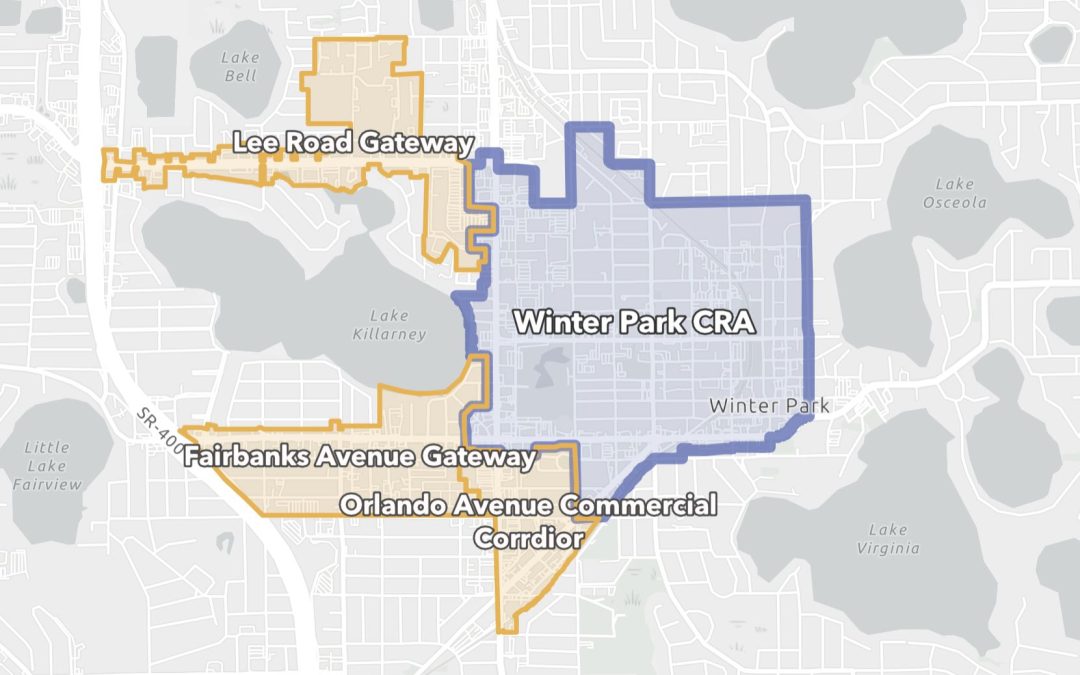
Winter Park wants to extend the borders and lengthen the lifespan of its Community Redevelopment Agency, a move that could provide a major revenue boost for public projects within the special district’s boundaries.
The city will host a public workshop on the plan on Monday at 5:30 p.m., at the Winter Park Community Center, 721 W. New England Ave.
Three major commercial corridors — Lee Road, Fairbanks Avenue and a larger section of Orange Avenue — are the targets of the expansion as outlined by a public-facing city web page devoted to seeking public input about the plan. Orange County Commissioners must sign off on the expansion of the CRA’s borders as well as its extension beyond 2027, when it is scheduled to dissolve.
CRAs require county approval because they siphon increases in property tax revenue from land inside the special district from general county funds so that it can be reinvested into projects within the CRA.
CRA revenue totaled $7.1 million last year, according to city documents, and would surely grow along with the size of the district.
Recently, commissioners have discussed the potential expansion of the CRA as a way to fund everything from transportation projects to purchasing more park land.
Questions or comments? Email the editor at WinterParkVoiceEditor@gmail.com
To comment or read comments from others, click here →
by Beth Kassab | Aug 1, 2023 | City Commission, News, Uncategorized
Transportation draft plan focuses on pedestrians, cyclists
Projects include enhancing trail system, planning for an elderly population
By Beth Kassab
Winter Park City commissioners want to create an “emerald necklace” of greenspaces, bike paths and trails that connect the city’s major parks and link regional trails such as Cady Way as well as improve pedestrian and bicyclist safety near schools and for an aging population.
The priorities emerged at a recent work session as the commission discussed the draft of a Transportation Master Plan that includes $141 million in projects over 20 years to improve traffic, parking, bike paths and sidewalks. Top goals outlined in the draft include preparing for the needs of a growing aging population, autonomous vehicles and promoting mass transit such as SunRail.
How the city will pay for the projects, estimated at a cost of about $7 million each year is still unclear after voters turned down a county-wide sales tax increase for transportation needs. Potential sources of revenue include a proposed extension of the Community Redevelopment Agency, state or federal grants or multi-modal transportation impact fees, city staff said.
The plan, a tool expected to help city staff have a better chance at securing grant funds, is expected to come before the City Commission for formal approval in the next month or two.
A few interesting nuggets from the plan include:
- An official bike map. The city plans to create a map for cyclists that can help users better understand how trails are connected and the safest ways to cross major corridors.
- A ticketless valet system. This idea calls for valet stations in busy areas like Park Avenue where shoppers and diners can drop off their cars. Instead of a paper ticket, however, they will receive a link and can use the link to retrieve their car from any point inside a designated area. That means a shopper who starts on the the north end of Park Avenue could make their way on foot to the south end and have their car brought to them there rather than returning to the valet station. This is one of the concepts being tossed around as a way to use technology to improve parking and reduce traffic in busy areas.
- A real-time parking app. In another attempt to make parking more manageable without spending an estimated $18.5 million on a new downtown parking garage, a parking app would track and predict where spots are available using cellular data. Drivers could look up availability near their destinations via an app created specifically for the city.
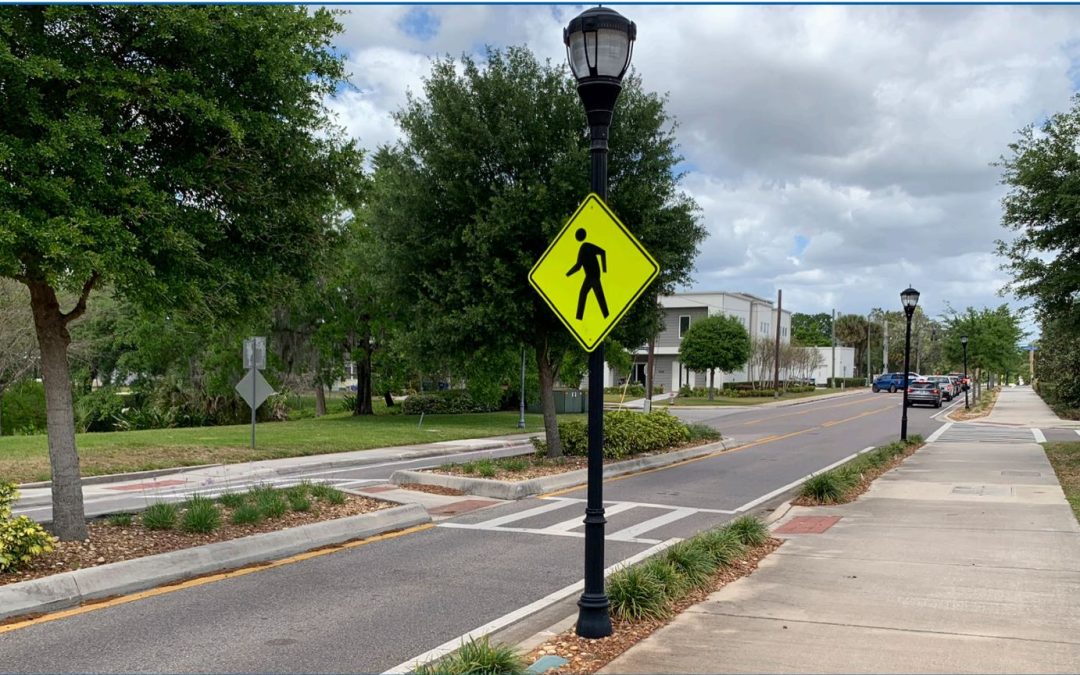
- Brick streets with more pavement and fewer bricks. The concept, which includes a photo of a street from Lakeland, calls for an extended concrete curb gutter pan — or flat surface next to the curb — that is wide enough for a bicycle or stroller path. Such a design allows more room for pedestrians without removing mature landscaping that often gets in the way of sidewalks along brick streets and without the maintenance associated with bricks.
Questions or comments? Email the editor at WinterParkVoiceEditor@gmail.com
.
To comment or read comments from others, click here →
Recent Comments