Chandler Endorses Weaver
Chandler Endorses Weaver
 Former candidate Barbara Chandler today announced her endorsement of Todd Weaver for City Commission Seat #4 in the April 9 run-off election.
“I speak for myself as a former candidate, and I am honored to be joined in my endorsement by The Friends of West Winter Park,” said Chandler. “We were able to go back and look at the questions the community had posed, and we felt that Todd was more in line with the values we espouse. One of the things that drew us to him during the Forum and during a brief meeting this morning was his willingness to help establish some type of Neighborhood Council and also a Coop for minority-owned businesses.”
Weaver said he was pleased and honored to have the support of Chandler and the Friends of West Winter Park. “My goal is to help them bring together the West Side community and remove the roadblocks to a more robust participation in Winter Park City government.”
As of this writing, Commissioner Peter Weldon could not be reached for comment.
Weaver & Weldon Face Off at West Side Forum
Weaver & Weldon Face Off at West Side Forum
Editor's Note: Articles written by citizens reflect their own opinions and not the views of the Winter Park Voice.Guest Columnist Janet Hommel

Former Winter Park city commission candidate Barbara Chandler and The Friends of West Winter Park hosted a lively sharing of ideas on Tuesday, March 26 at the Winter Park Community Center. Commission candidates Todd Weaver and Peter Weldon were invited to engage directly with West Side families, elders, community leaders and small business owners in a moderated question-and-answer forum.
Chandler emphasized that this was not a debate, but an opportunity “for candidates to sit with our community . . . to learn what our issues and values are. We also want to make sure our community gives each candidate a chance to be heard.”
“Since election day March 12,” Chandler went on, “West Side Winter Parkers have been asked who we’ll be supporting in the run-off election April 9. Just like all Winter Parkers,” said Chandler, “we’ll be voting for the candidate who supports our values and community.”
Despite Chandler’s insistence that the forum was not a debate, the candidates wasted no time throwing jabs and punches. Most of the questions for the candidates dealt either with minority representation or issues specific to the West Side, such as the CRA.
Chandler’s frequent attempts to maintain decorum and her reminders to both candidates and audience to show proper respect fell victim to the emotion brought out by this hotly contested race.
Be sure to vote April 9!
Remembering Lurline
Remembering Lurline
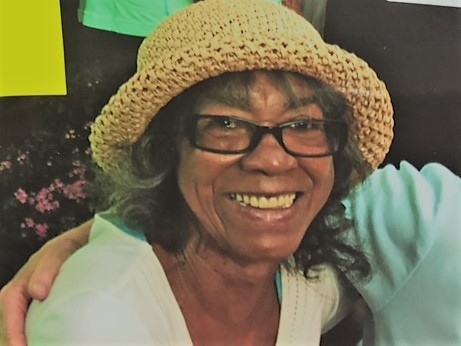 It’s hard to believe it’s been a year since West Side advocate and some-time gadfly Lurline Fletcher passed away. Lurline’s family has returned to Winter Park to mark the anniversary.
Tuesday, April 2, 4 to 6pm – Shady Park
On Tuesday, April 2, from 4:00 to 6:00 pm, family and friends will gather in Shady Park to celebrate the life and times of Lurline Fletcher. Everyone is welcome and encouraged to join the celebration.
So put on your craziest hat and your biggest sun glasses and come to Shady Park for food and fellowship in honor of Lurline’s legacy – which was . . . always showing up.
Recent Comments