Candidates Face Off at Chamber Debate
Candidates Face Off at Chamber Debate
City Has Money – How Should We Spend It?

Before a packed audience at the Chamber of Commerce early this morning, Commissioner Greg Seidel faced off against Wes Naylor, his challenger for Commission Seat #1.
A good part of the discussion centered on the swelling City coffers that have resulted from rising property values and redevelopment within the CRA district. The City experienced an 8 percent increase in revenue last year. The candidates discussed at length the opportunities for capital improvement and additions to City infrastructure.
Talk About Traffic, Taxes, Public Safety
Candidates took up the topics of roads, traffic, parking, the installation of a fiber optic “spine” through the City, and coordination of traffic planning with neighboring communities such as Orlando and Maitland.
Taxes and crime also got some attention. The recent rash of property crimes, coupled with the tragic death of young Roger Trindade, raised questions about the safety of Park Avenue and the need for increased police presence there.
Thanks to Both Candidates
The tenor of the debate was cordial and lively. Both candidates seemed well-informed and thoroughly engaged in the community. Campaigning for office, and the devotion of time required to serve in office, represent a significant level of commitment. Both of these gentlemen deserve our appreciation for their willingness to serve this community.
The Choice Is Yours
This morning’s debate was the first of three. The Winter Park Library will hold a debate March 10 at Noon, and Rollins College will hold an evening debate at Bush Auditorium on a date to be announced.
The Winter Park Voice will post video of all three debates. Even those who cannot attend one of the debates can view the video to see which one of these candidates you would choose to represent you in Commission Seat #1.
Vote March 14.
Every Day Is Training Day
Every Day Is Training Day
At Winter Park Fire-Rescue
 Outside, the morning is cool and sunny but inside, the old building at Progress Point is eerily dark, quiet. Suddenly, four fire fighters, each wearing 50 to 60 pounds of gear and carrying another 25 pounds of tools, burst into the room like figures in an action movie. They wear hoods and cannot see. They make plenty of noise. They conduct a quick “right hand search,” with two men proceeding into the room keeping their right hands on the wall. A third officer carries a Thermal Imaging Camera that is sensitive enough to detect the warmth from a fire fighter’s hand print on the wall. This is how they see.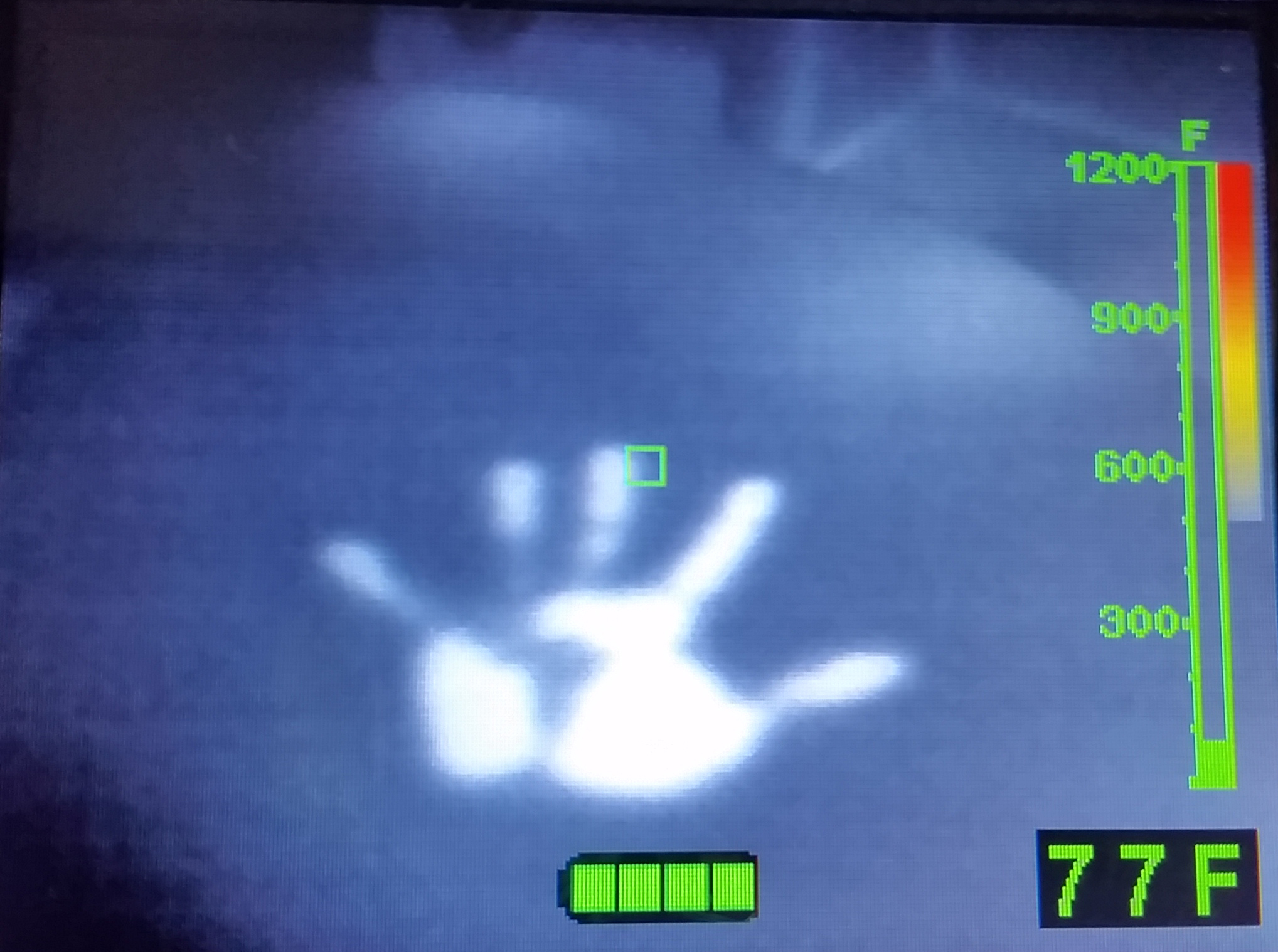
Tangle Tunnel
The officer with the camera directs the men as they crawl under and over furniture, searching for fire and for victims. One of the obstacles they encounter is a “tangle tunnel.” A long plywood tunnel crisscrossed with wires and cords, the tangle tunnel replicates what a fire fighter would have to deal with if a ceiling has burned, leaving wires and fixtures dangling. The fully loaded fire fighter must crawl, blindfolded, through the 10-foot long space with his body at an angle to ensure the air bottle he carries on his back does not get hung up in the wires.
“We are frequently called at night,” explains Jimm Walsh, Division Chief of the Winter Park Fire-Rescue Department, “and if there is smoke — even in daylight — we can see nothing. So this is how we conduct our drills.”
Progress Point Being Put to Good Use . . .
Winter Park Fire – Rescue has set up their training facility in the old call center building at Progress Point on Orange Avenue. It is used not just by Winter Park, but also by other area fire companies, including Orlando.
. . .As Is Some Previously Used Furniture
Using furniture and fixtures gleaned from defunct businesses and a few alleys, Fire Rescue training folks have created a mockup daycare center, a living room, an office, a child’s bedroom with bunk bed, and a playroom with toys. The tangle tunnels are placed at random. Amongst the jumble of furniture are mannequins – sand-filled “victims,” some child-size and some weighing as much as 220 pounds – dead weight that must be dragged to safety amidst chaos.
Firefighters at the Ready 24/7
Winter Park has 69 active firefighters (not including administrative personnel) — three women and 66 men. Of the 69, 57 are trained paramedics. Walsh estimates that 70 percent of their calls are medical emergencies. The remaining 30 percent he describes as “other” – fires, automobile accidents, hazmat and other types of emergencies. The department works a three-shift system, with firefighters on duty for 24 hours and off 48 hours. Each shift is covered by 23 firefighters.
Sole Provider of Emergency Medical Service
Winter Park Fire Rescue is the sole provider of emergency medical services within the city limits. Units respond from three fire stations, strategically located to cover the nine-square-mile area of Winter Park. The main station is on Canton Avenue, and the other two are located on Lakemont Avenue and Howell Branch Road. The department has two fully equipped ambulances, and while fire trucks cannot transport a patient to the hospital, each is equipped to provide advanced life support until an ambulance arrives.
Hours of Practice Build ‘Muscle Memory’
Each firefighter must complete a minimum of 20 hours of training a month. Most complete more than that. The array of knowledge required of a firefighter is, dare we say, awe-inspiring. In addition to knowing how to operate their equipment, drive the vehicles, practice the latest firefighting techniques and the latest medical emergency procedures, there is an ever-changing list of new information and equipment with which they must familiarize themselves.
“We are trying to build muscle memory,” said Jimm Walsh, “so that in an emergency situation, these people don’t have to think. They just act. It saves seconds, and seconds can save lives.”
They Know WP Like the Backs of Their Hands
Every firefighter must know the location of every single street in Winter Park. Even though the units have Siri to tell them where to go, technology can fail, so the firefighters must be able to demonstrate their knowledge of the area without technical assistance.
Firefighters study detailed engineering drawings of every commercial and multi-residential building in the city – and there are thousands of them. They learn the interior layouts, how to disable the alarm systems, where to turn off the electricity, where to turn on the water and the location of all fire hydrants in the vicinity of each building.
WPFD Earned Top Rating
All this effort has paid off. In 2013, after an on-site examination from the Insurance Services Office (ISO), the WPFD received a Class 1 rating – the highest possible. Criteria for the rating are community water supply, emergency communications (911) and the fire department itself.
Within the Fire Department, the areas evaluated include daily staffing, fire apparatus, training, equipment and pre-fire planning. WPFD is one of only three departments in the U.S. to receive Class 1 accreditation from the ISO. The classification is used by insurers to rate the risk of loss, which affects premiums paid by property owners.
Winter Park is a wonderful place to live. Everyone says so. So much goes on behind the scenes to make it that way. Thanks to these folks for looking out for us – 24/7.
Greg Seidel, Wes Naylor Vie for Commission Seat #1
Greg Seidel, Wes Naylor Vie for Commission Seat #1
Traffic Congestion, Public Safety Top Priorities
[av_one_half first][/av_one_half]
[av_one_half][/av_one_half]
[av_one_fourth first]
Three Candidate Debates
Open to the public and free of charge.
Welcome Center
151 W. Lyman Ave.
Friday, Feb. 10 – 8:00 am
Sponsored by the Winter Park Chamber of Commerce
Winter Park Library
460 E. New England Ave.
Friday, March 10 – 12:00 Noon
Sponsored by the Winter Park Public Library
Rollins College
Bush Auditorium
Date to Be Determined
Sponsored by the Rollins College Democracy Project
[/av_one_fourth]
[av_three_fourth]
Spring is right around the corner — which means yet another election cycle for the City of Winter Park. On March 14, there is one contest in Winter Park – Commission Seat #1.
Greg Seidel has held Commission Seat #1 since 2015, when Steve Leary resigned to run for mayor. As the three-year term for Seat #1 comes to a close, Seidel is looking for a second term, “to continue the work we’ve begun during my time on the Commission,” he says.
Seidel – Civil Engineer
Seidel owns the Winter Park-based engineering and economics firm Balmoral Group, and has a 26-year career as a civil engineer. He has lived in Winter Park off and on since he was eight, when his father came to work at the Naval base. Greg and his wife Val are rearing two daughters in Winter Park and are active in the First United Methodist Church. Seidel serves on the school advisory council at Glenridge Middle School. Before he took his Commission seat in 2015, he served on the Winter Park Utility Advisory Board, which he chaired from 2011 to 2014. Seidel was instrumental in the utility undergrounding currently underway in Winter Park.
Naylor – Navy Veteran
Seidel is challenged by Wes Naylor, president of the Orlando-based consulting firm Coe & Naylor Group LLC. Naylor completed a 28-year career as a Naval officer and aviator. He is former commanding officer of the Naval Air Warfare Center Training Systems Division. He is a member of the Winter Park Police Pensions Board, St. Margaret Mary School Board, the Orlando Science Center Board and the Central Florida Partnership Board. Wes and his wife Lori have a 10-year-old daughter.
Traffic & Public Safety – Key Issues
In separate interviews with the Voice, both candidates expressed their concern for the safety and well-being of Winter Park residents and the need to manage the growing traffic congestion that is one result of the economic prosperity Central Floridians are enjoying. Watch the videos above to hear how each candidate plans to approach the issues that face Winter Park.
But, before you do – and however you decide – Do Decide. Cast Your Vote on March 14.
[/av_three_fourth]
Recent Comments