
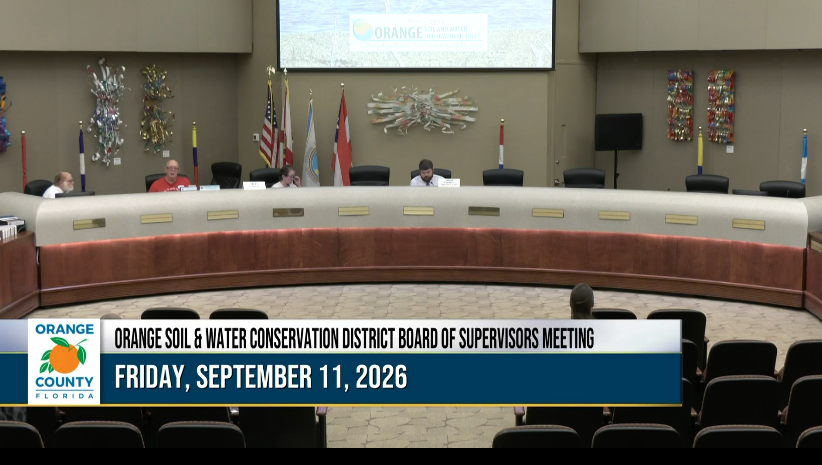
No Budget, No Power, No Paycheck: Who Wants to Serve on Orange's Soil and Water Board?
Three of five seats on the board charged with helping people keep their soil and water clean are on the Nov. 3 ballot
Oct. 5, 2026
By Beth Kassab
The five people elected to serve on the Orange County Soil and Water Conservation District don’t have a budget, don’t have any power, don’t receive a paycheck and lack even basic tools like official district email addresses.
When it comes to civic and government jobs, the soil and water board is as humble as it gets. PTA presidents and homeowners association board members get more glory because they typically have a budget to spend, some authority and perhaps receive a round of appreciative applause at an end-of-year banquet.
Yet for more than 75 years, voters in Orange County have elected supervisors to a board that few understand or ever see.
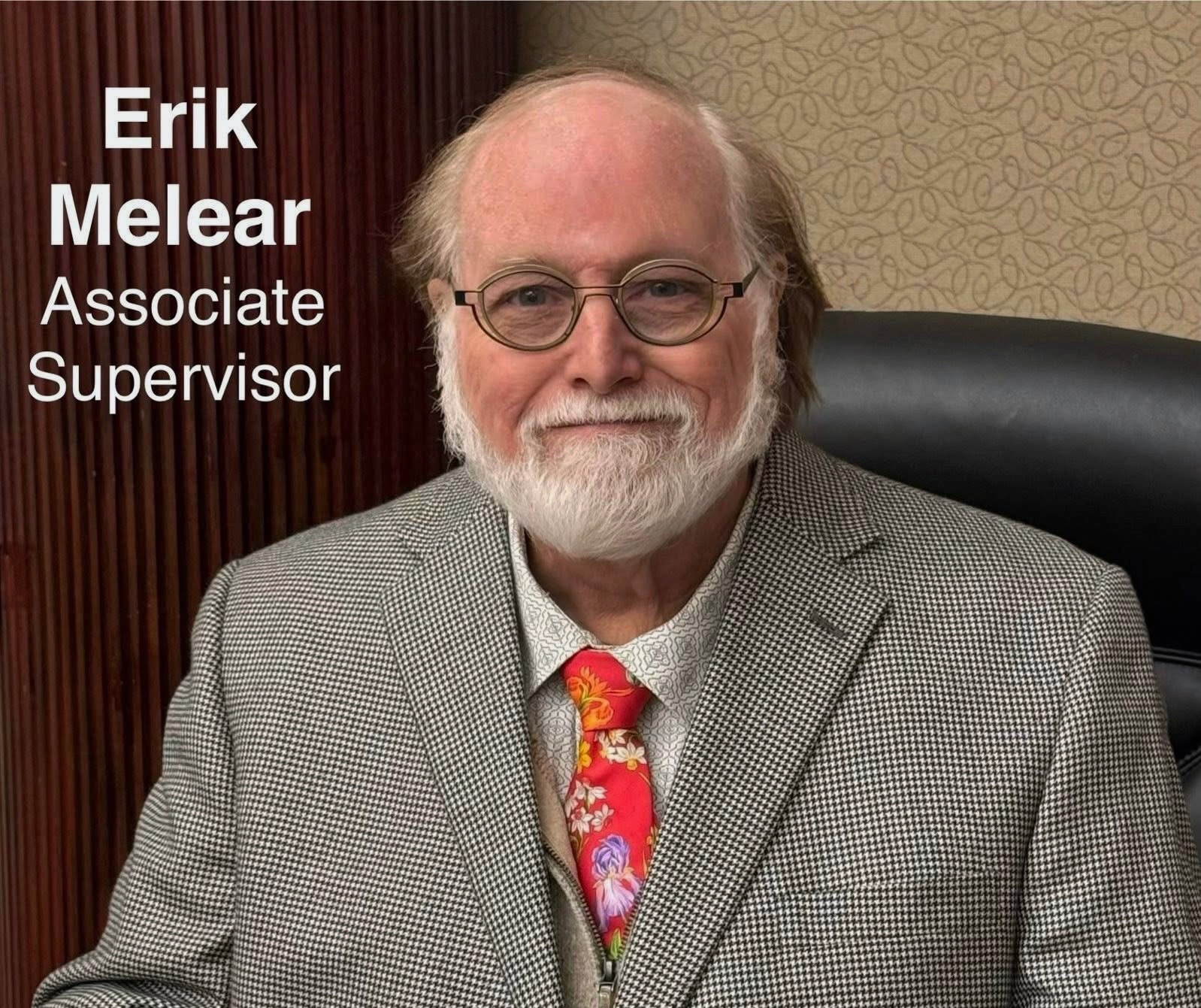
Those campaigning this time around, like candidates before them, face a steep climb in convincing voters that their choices near the very bottom of the Nov. 3 ballot matter.
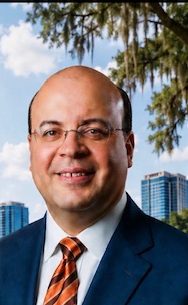
“Why do you even exist?” is a question Erik Melear, a candidate for Seat 3 on the district board, says he has heard plenty of times.
“But we do have a role to play,” he said. “Unfortunately, when you have no budget, no taxing authority and no other resources, it becomes very difficult to develop and do things.”
The state began creating soil and water districts across Florida as far back as the 1930s and charged them with carrying out local programs to conserve and protect soil, water and land for agricultural purposes.
In recent years, lawmakers in Tallahassee have tried a series of efforts to wholesale abolish the districts, though none has succeeded.
Chuck Drake, a geologist who specializes in potable water who previously served on the St. Johns River Water Management District, is also a candidate for Seat 3 and said he understands the push to get rid of the board if it isn’t effective.
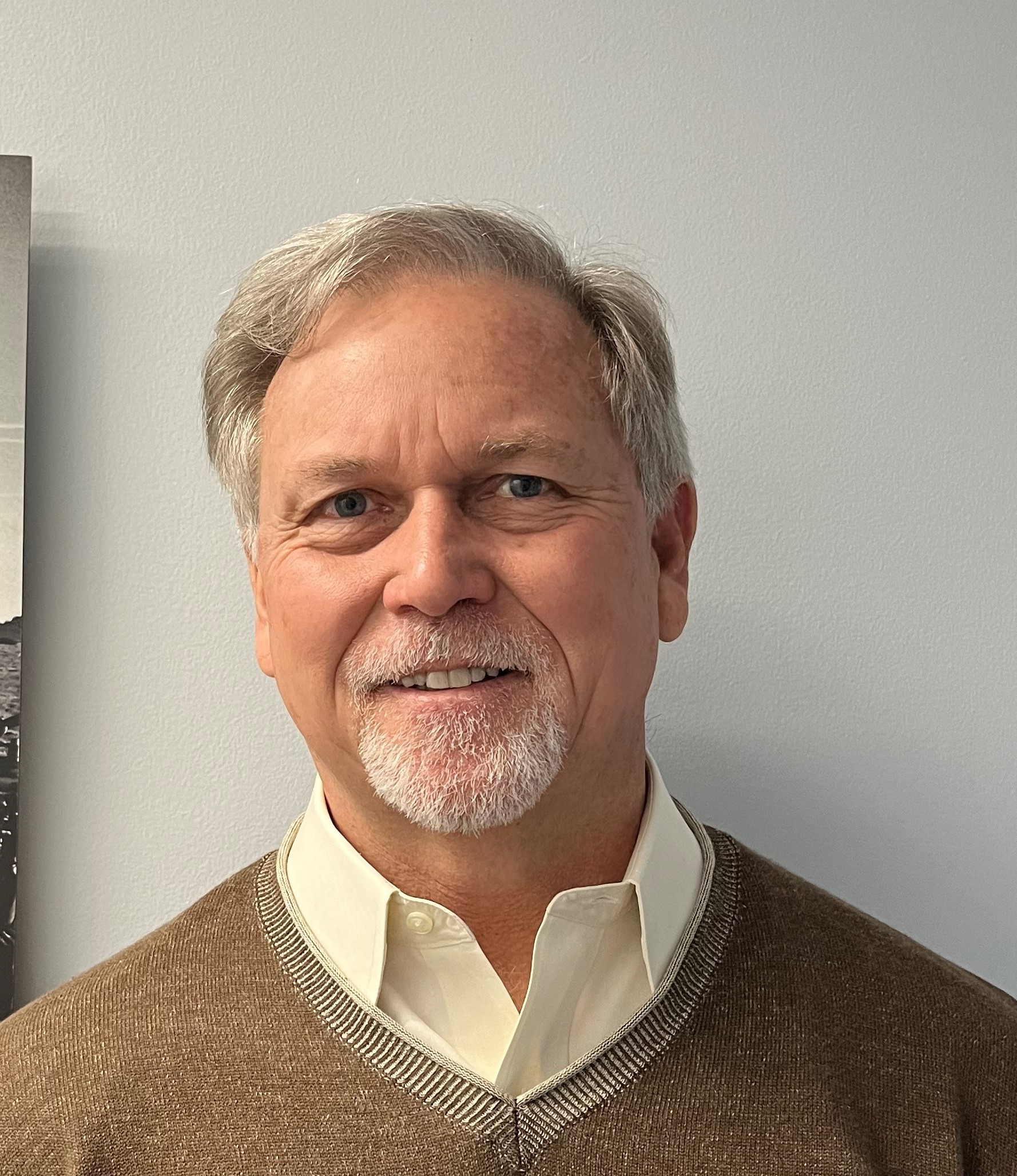
“I don’t like government for government’s sake,” he said, but at the same time as a native Central Floridian who has spent his more than 40-year career focused on groundwater, he said he understands the local challenges related to finding fresh supply and water quality.
Drake, who also serves as president of the American Institute of Professional Geologists, pointed to converting septic tanks to sewer as one specific way to add to the reclaimed water supply.
“I’d like to find out what they really do,” he said of the board. “And see if I can add any benefit to it,” noting there could be grant opportunities the previous board members have failed to seek.
Several candidates argued that a board focused on teaching residents best practices to maintain clean water, the local tree canopy and growing plants and food could surge back to relevance. They point to an age of AI data centers that consume water and power, soaring grocery prices and environmental challenges such as frequent named storms.
“If we can teach you how to conserve water, which saves money, how to keep soil healthy, which reduces landscaping costs, how to maintain a mature tree canopy that not only reduces your water bill, but also your power bill and can increase your property value …,” said Melear, who works as a senior project manager for the city of Orlando’s water utility. “Then the district board has the opportunity to be an ombudsman to communicate with government agencies and HOAs and community groups and serve as a nexus for information so they can make the prudent and wise decisions that affect all of us.”
Melear already volunteers as an associate supervisor for the district and is working to establish partnerships with Orange County Public Schools for community gardens and contests to engage students. He raised $500 from a labor union over the summer for his campaign and gave himself another $500.
Drake, like five out of the eight candidates running for the three open seats, isn’t raising campaign money.
The third candidate for Seat 3, which includes much of central Orange County, from Orlando, Edgewood and Belle Isle south to the county line, is Jose Antonio Rodriguez. He also has not raised any funds and did not respond to emails or phone calls seeking comment.
Jimm Middleton, a candidate for Seat 5, also sees untapped potential for the district.
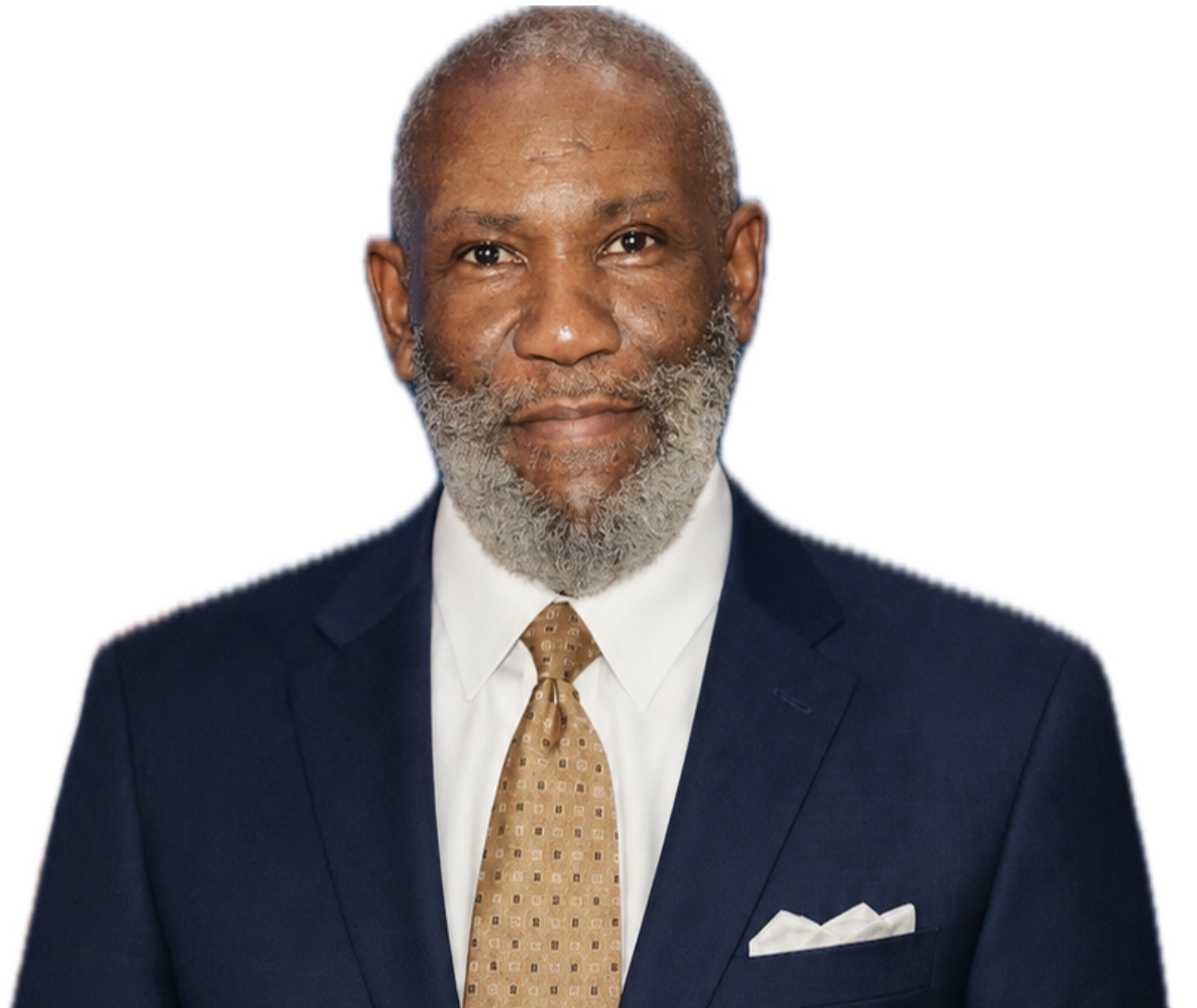
“The board should have a strategic plan in place so they can get things done and, by golly, make announcements about what is going on,” said Middleton, an IT manager at Walt Disney World. “They are too quiet about it.”
He said he was first inspired to run for the board in 2016, unsuccessfully, after seeing the reports about lead in the water in Flint, Mich. He said he is driven by an interest in service and the environment and wants to help people in Central Florida learn to keep their water and soil clean.
“I do not see this as a springboard to run for a higher office,” he said. “I’m doing it solely for the purpose of helping out the community.”
Some board members have sought other offices without leaving much of a mark on the district. Multiple current candidates blame that inactivity as one reason behind the weak state of the board today, though its biggest problem is the absence of a regular source of funding.
Daisy Morales, who was elected to the district board in 2014, missed nearly a year of meetings in 2019 and 2020, which other board members said made it difficult to conduct business. She ran for a state House seat and won in 2020 but lost re-election. This year, she ran for House District 43 but lost the Democratic primary to Samuel Vilchez Santiago.
Middleton isn’t raising any money for his campaign. Zack Green, the other candidate for Seat 5, which includes Maitland, Winter Park and the northeast rural portion of the county, did not respond to requests for comment and also has not reported any financial contributions.
“I’m doing it the old-fashioned way,” Middleton said. “I’m talking to people. I’m posting on social media. It doesn’t make sense to ask people to donate money to this campaign when the current board doesn’t have any money. If you’re going to donate, donate to the board itself.”
According to the district’s current budget plan, it will hold its first-ever fundraiser in November, an attempt to raise the board’s profile and build a cash balance that is starting from nearly zero. The district projects about $3,000 in cash and nearly $1,000 in expenses, including renting a post office box, maintaining its rudimentary website and buying supplies for outreach and education events, such as handouts and volunteer shirts.
Its most critical budget item is a donation in the form of space and services from Orange County government valued at about $11,000. The donation includes a meeting room for the board, broadcasts of its meetings on OrangeTV and some legal services.
The board members use their personal email addresses to conduct business and, without a staff, volunteer for different roles such as acting as treasurer, keeping records, sending out agendas and minutes and updating the website and Facebook page.
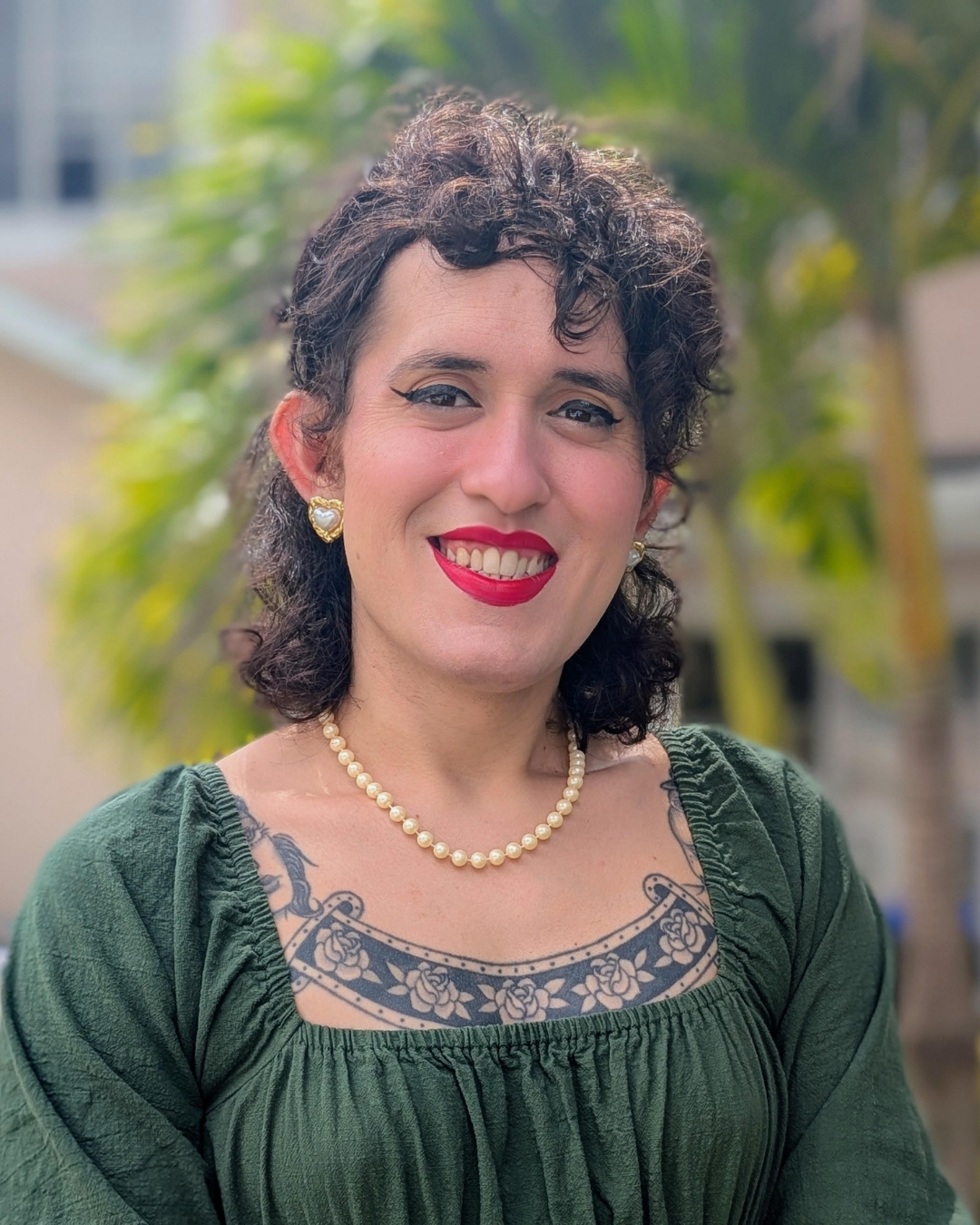
Quinnie Perez, a candidate for Seat 1, is the only candidate who has raised substantial funds: about $4,500, more than the district itself currently has to spend.
She said she wants to bring her experience on other political campaigns and in community organizing to the district to jumpstart awareness of its purpose.
Perez describes herself as the daughter of Mexican farmworkers. She grew up in Ocala and now works in the medical cannabis industry.
“It doesn’t matter if you are running for soil and water or city council or something else, there’s a lot going on with our environment and it’s very important we are advocating for these issues,” she said. “It’s the kind of position that you can make your own, and that’s what I plan on doing by holding regular office hours, even if it’s in the library, and showing people how they can access grants that are available to them.”
In addition to running for an office few voters know about, Perez says she has faced challenges as a transgender woman who has sometimes been met with hostility online.
“I do get stares,” she said. “I always direct them back to the policy. I’ve gotten more harassment on social media than anywhere else … it can work to my advantage because I stand out. It would be a historic race if I’m elected.”
Perez would be the first openly transgender person elected in Florida if she is successful in November.
Vicente Rafael Perez Carreno and Doug Sahr, the two other candidates for Seat 1, which covers the southwest portion of the county from Oakland through Winter Garden and Windermere down to Lake Buena Vista, did not return calls seeking comment.
Perez Carreno, who also volunteers as an associate at the district, has joined with Melear and Middleton to run as an unofficial slate for the three seats up for grabs this year. They call themselves “Team VEJ,” for their first initials.
For voters who live in the areas covered by Seats 1, 3 and 5, the soil and water candidates will appear nearly last on their ballots, just above the state constitutional amendments.
None of the candidates has the name recognition, dollars or buzz of those at the top of the ballot for U.S. Senate, governor or even Amendment 3, which would increase homestead property tax exemptions. But some are choosing to count their wins one voter at a time, particularly as mail voting has already started and early voting is set to begin Oct. 19.
Melear, for example, said he was recently at an Einstein Bros. Bagels working on a mock-up of a campaign sign when a woman sat down next to him and happened to notice the name.
“She said, ‘Oh, I just voted for him,’ and I said, ‘Oh, I happen to be him,'” Melear recounted. “I was almost moved to tears.”
WinterParkVoiceEditor@gmail.com
Recent Comments