
Most of Merrywood Saved After Facing Months of Likely Demolition
Commissioners, preservationists and the new homeowners celebrated a 4-1 vote that keeps most of the historic James Gamble Rogers II estate standing
Nov. 11, 2026
By Beth Kassab
After nearly a year of uncertainty and expected doom, preservationists, city officials and Merrywood owners Steve and Jenny Lockwood were jubilant Wednesday afternoon after commissioners voted in favor of a deal to save the 90-year-old historic estate from the bulldozers.
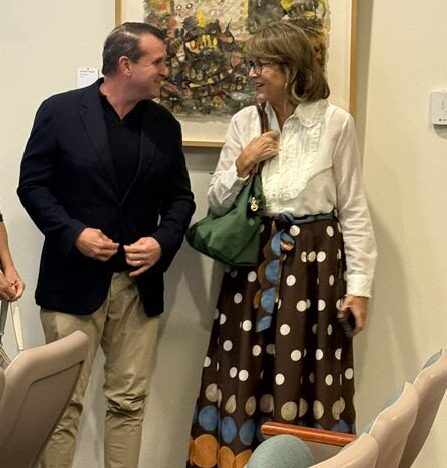
Steve Lockwood and Betsy Owens, executive director of Friends of Casa Feliz, briefly embraced and shook hands after the 4-1 vote finalized an agreement that marked a significant change of heart from just a month earlier, when Lockwood resisted making a written commitment to preserve the house.
One key difference in the conditions governing the special approval to split the 3.67-acre lot on Lake Osceola is that houses on both lots may be up to 15,000 square feet, plus accessory structures. The square footage of the home preserved on the Merrywood lot will not count toward that limit.
“Remember, I stood up here on [Oct.] 14 and said nothing in writing, nothing recorded, right? And we moved off of that,” said Jason Searl, Lockwood’s attorney with the Maynard Nexsen law firm. “… We are asking for this and, in return, the city is going to get the preservation.”
A major factor in moving the deal forward, Owens said, was the vision of architect Michael Wenrich, who serves on Casa Feliz’s board. Wenrich worked with the Lockwoods to help them reimagine the property in a way that preserves most of the estate while also meeting their needs for a family home.
Lockwood plans to build a new primary suite and three-car garage while demolishing the original maid’s quarters, an enclosed sunroom and an upstairs sitting room.
Searl said Lockwood’s friend and business partner plans to purchase the second lot created next to 1020 Palmer Ave. and build a home there.
Owens spoke in favor of the agreement, which will preserve about 6,200 square feet of the existing 7,300-square-foot house. A covenant will run with the land, meaning future owners will also be required to uphold the agreement.
“I know the road ahead will bring challenges and surprises, but having come to know Jenny and Steve over the past six weeks, I’m confident that they’re equal to the task,” she said. “Twenty-five years ago, the community came together to save Casa Feliz. Today, we have an opportunity to write another chapter in Winter Park’s preservation story.”
Commissioner Warren Lindsey noted how far the Merrywood saga had come since the first prospective buyer obtained a demolition permit in February and appeared poised to tear down the house. At the time, he said, there seemed to be no hope of saving it and no buyer willing to try.
“There was discussion that it was this futile situation, that Merrywood could not be saved, that it was in terrible condition, etc.,” Lindsey said. “So it can be saved, right?”
Searl said yes. The Lockwoods, who purchased the property in August for $15 million, have only recently begun developing specific plans for it. They now believe there is a way to repurpose the home, which has been vacant for about a year following the deaths of its previous longtime owners.
As a result of the agreement, Lindsey said he would also reverse his earlier position, changing from a no vote during the first hearing over the summer to a yes vote Wednesday night. He said his primary concern — setting a precedent for future lakefront lot splits — had been addressed by the agreement, which requires much of the existing home to be preserved rather than allowing the property to become two blank-slate lots.
“I just want to emphasize that the reason why I’m 180 degrees changing from a no vote to a yes vote is because I think the Lockwoods, by their noble agreements, have substantially complied with the comprehensive code that allows a lakefront lot split under certain circumstances, and the reason why I bring this up is because there are lots and lots of large lakefront lots in Winter Park,” Lindsey said.
Commissioner Elizabeth Ingram cast the lone no vote. She said she voted against the agreement because it was clear it would pass, and she wanted to send a stronger message about the need for an official historic designation, which the agreement does not provide.
“I can see that it’ll pass, and I am also very grateful for how this has turned out,” she said. “I think I knew from the very beginning when this all started that it was definitely worth saving, but I am concerned about the precedent that we are setting, that we’re going to have lots of lakefront property owners coming and asking for their sweetheart, specifically written amendment.”
After the meeting, Lockwood said he was pleased with the approval and hoped to preserve some of the home’s interior details, including its tile and woodwork characteristic of James Gamble Rogers II. He emphasized, however, that the planning process is still in its early stages.
Owens noted that the agreement “won’t freeze the house in time,” but will “save the lion’s share of this architectural treasure, its essential design, its historic facade and public presence, and its place among the landmark homes that give Winter Park its distinctive character, sense of place, and enduring property values.”
She said the story of Merrywood is also the story of “local democracy working exactly as it should.”
“Our commissioners have been accessible, responsive, and willing to listen,” she said. “They’ve known when to press the pause button and ask hard questions and seek more information. They’ve heard from citizens on all sides. Our local media has kept the broader community informed, enabling people who can’t attend a 3:30 weekday meeting to participate in the process, and city staff has worked tirelessly from the beginning to find common ground, recognizing that Winter Park’s increasingly rare historic homes are worth fighting for.”
WinterParkVoiceEditor@gmail.com
Recent Comments