
Winter Park’s Most Influential
Winter Park’s Most Influential
Randy Noles Honored at Mead Botanical Garden
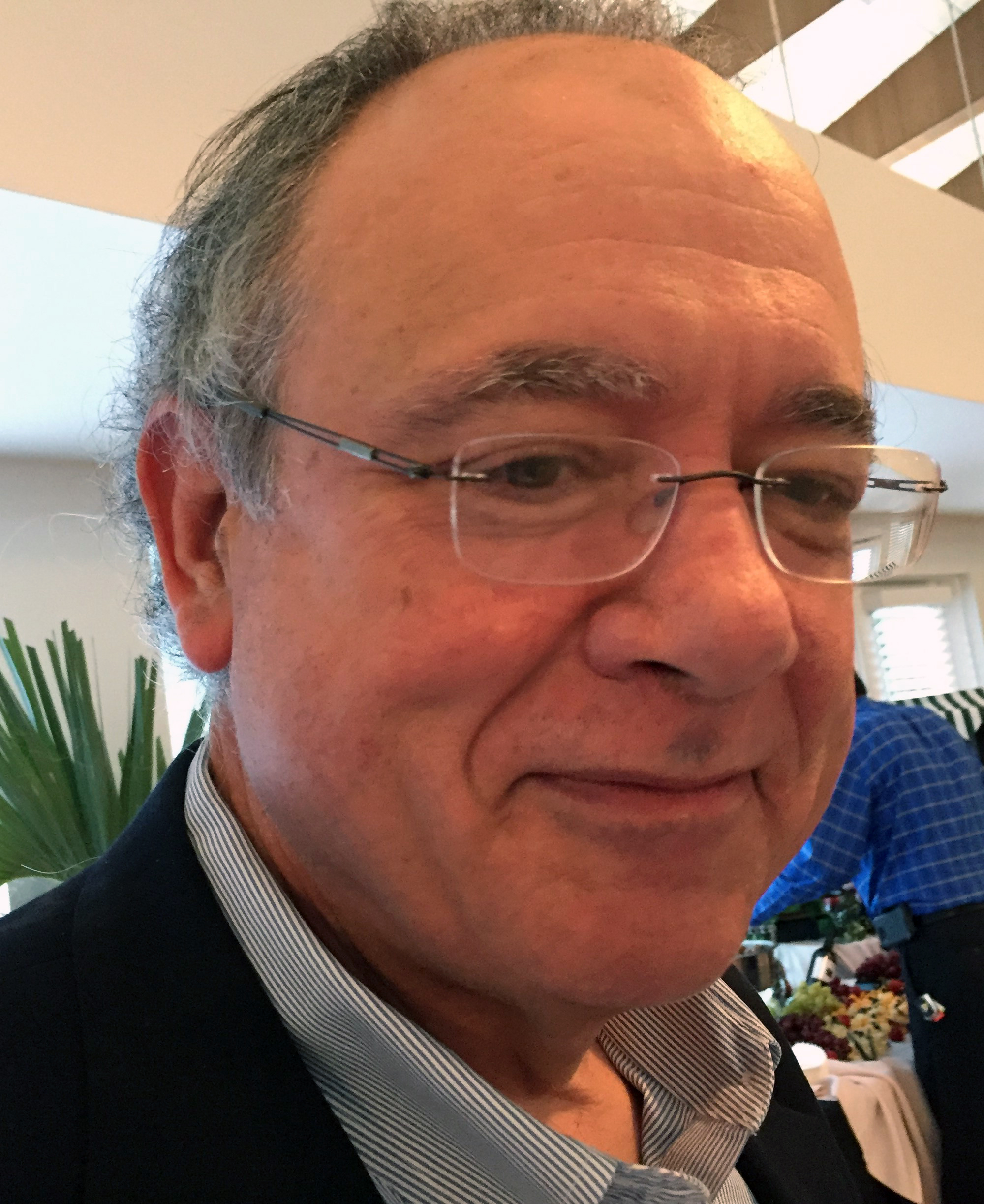
Randy Noles
On January 24, dozens of Winter Park “influentials” gathered to celebrate the work of Randy Noles, long-time editor and publisher of Winter Park Magazine. The crowd assembled to honor Noles’s contributions as community builder and, in particular, his support of Mead Botanical Garden, Inc., which hosted the reception.
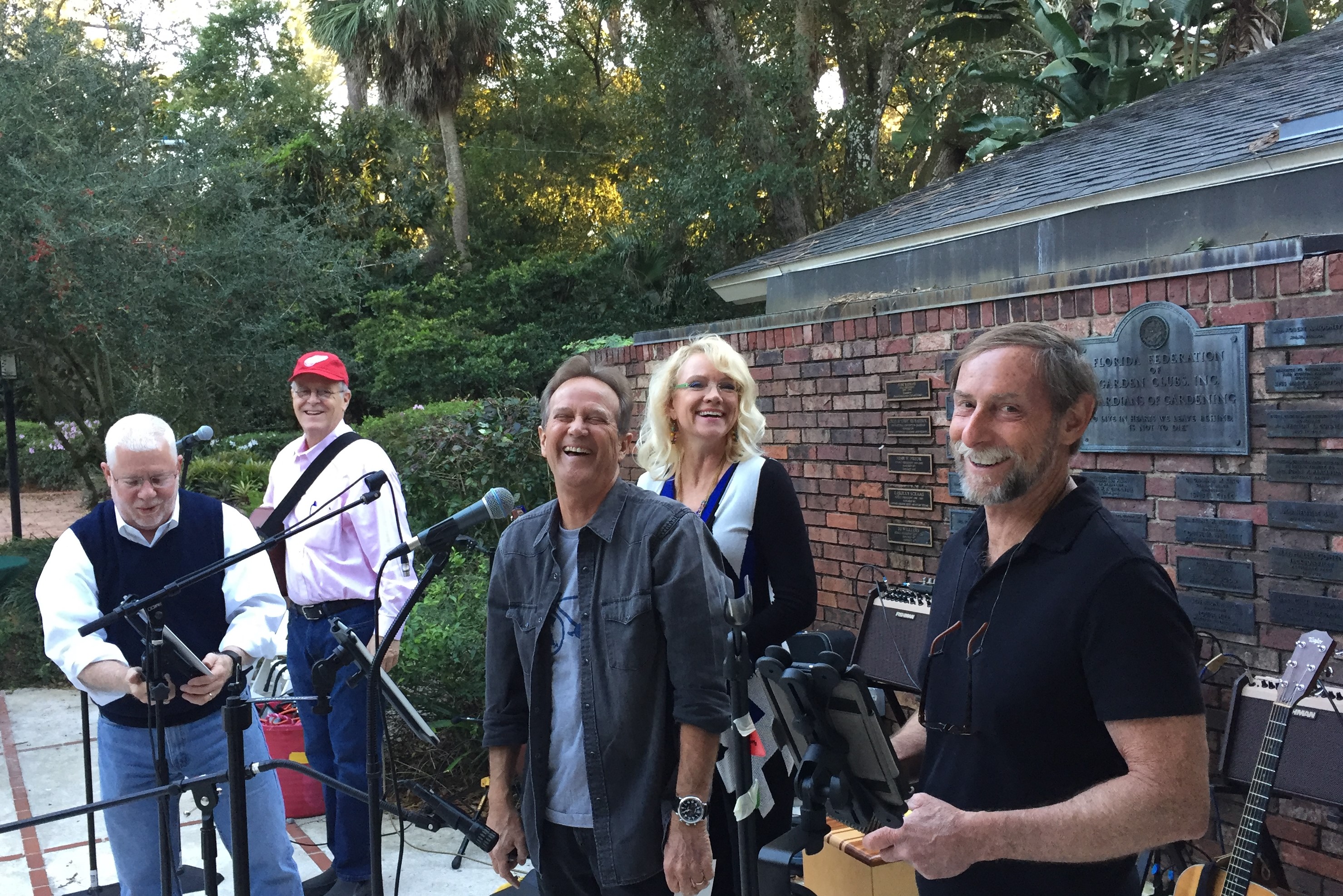
The Gazebros provided the music. L to R: Jack Byrd, Trevor Hall, Craig Taylor, Sheila Verde and Chip Weston. The Gazebros play at the Gazebo in Albert Park in College Park, at 6:30 on Tuesday evenings, weather permitting.
[av_one_half first]

Genean McKinnon
[/av_one_half]
[av_one_half]
Katrina Jenkins
[/av_one_half]
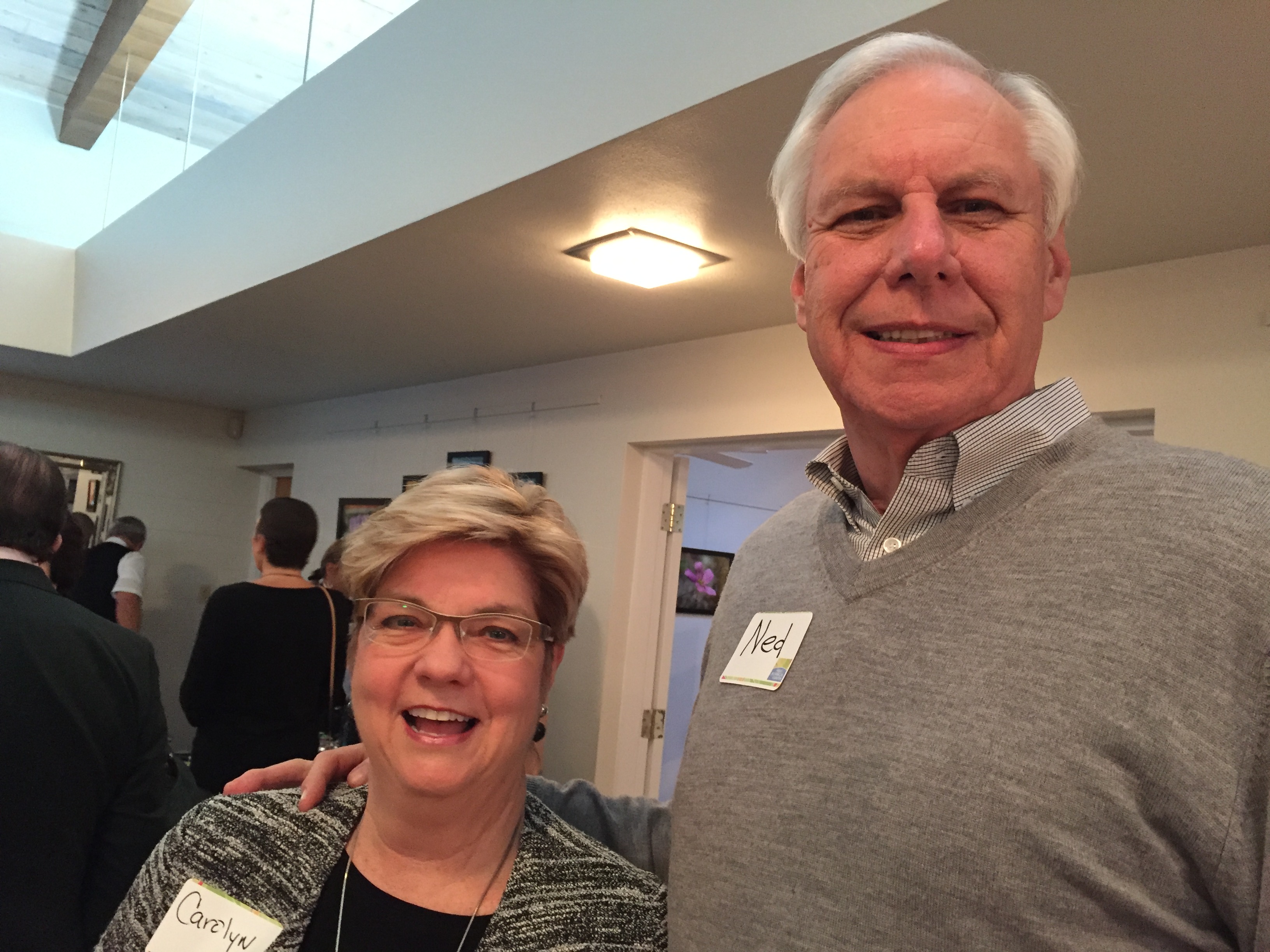
Ned Cooper & Commissioner Carolyn Cooper
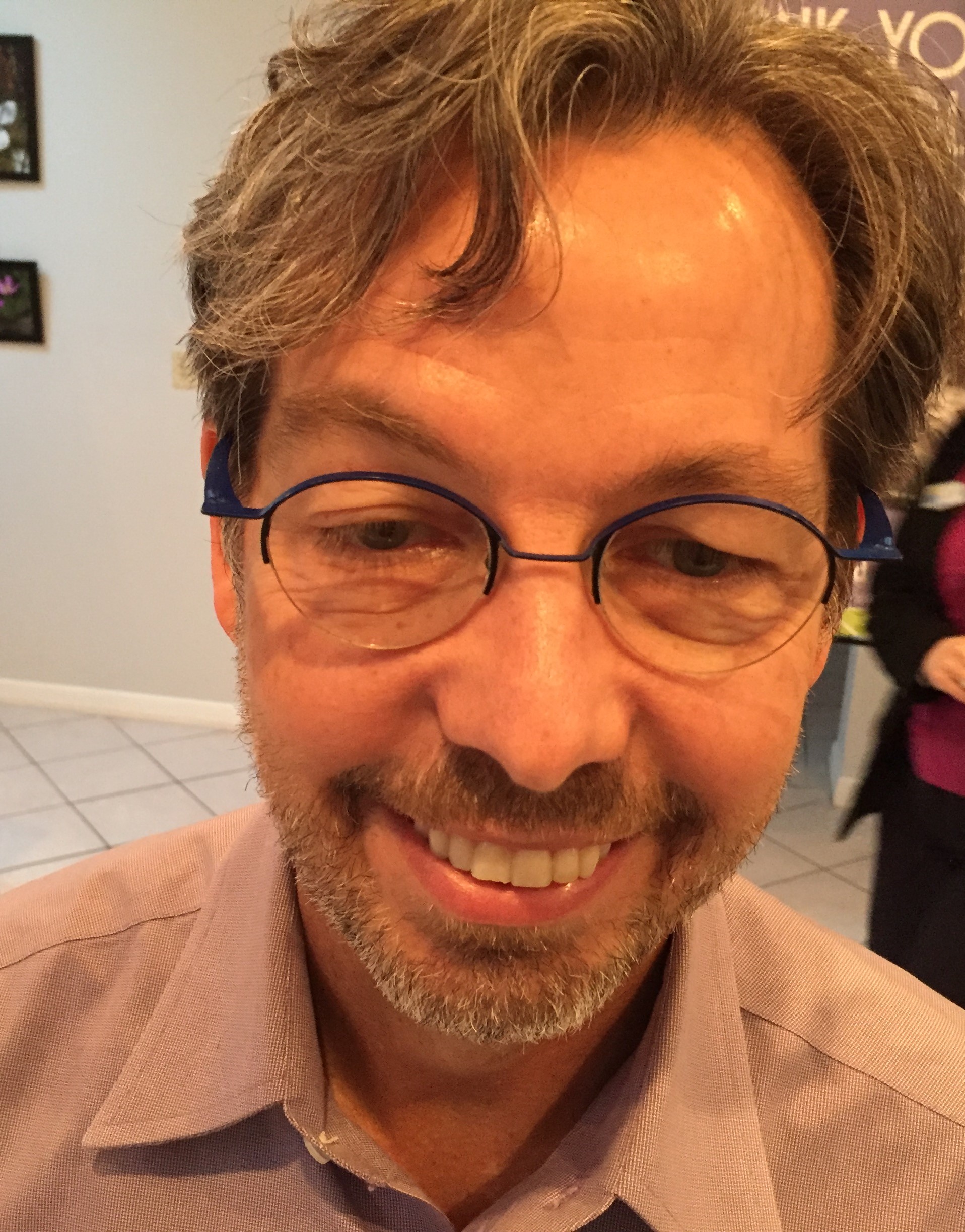
Phil Kean
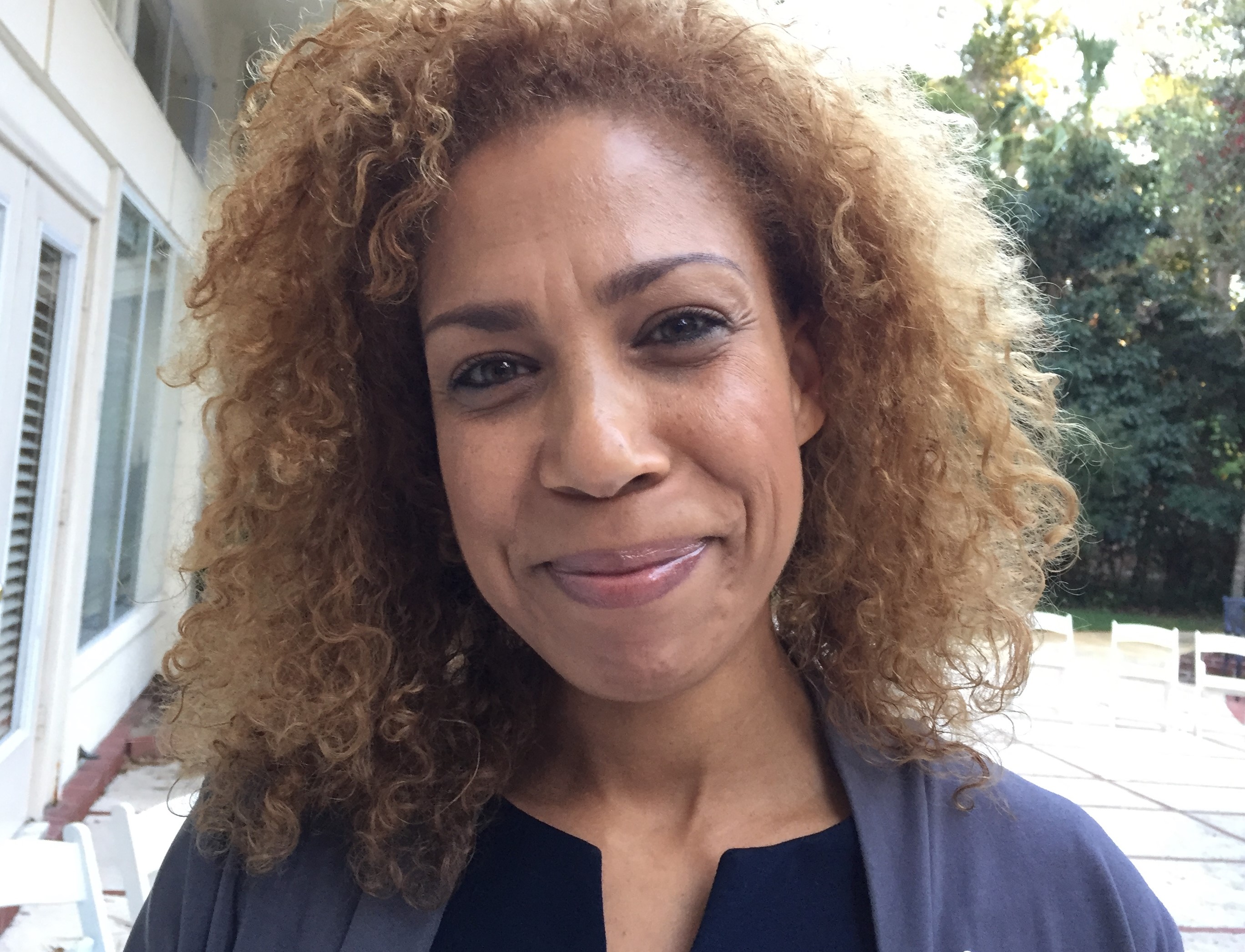
Dr. Bahia Maroon

Pat & Randy Robertson
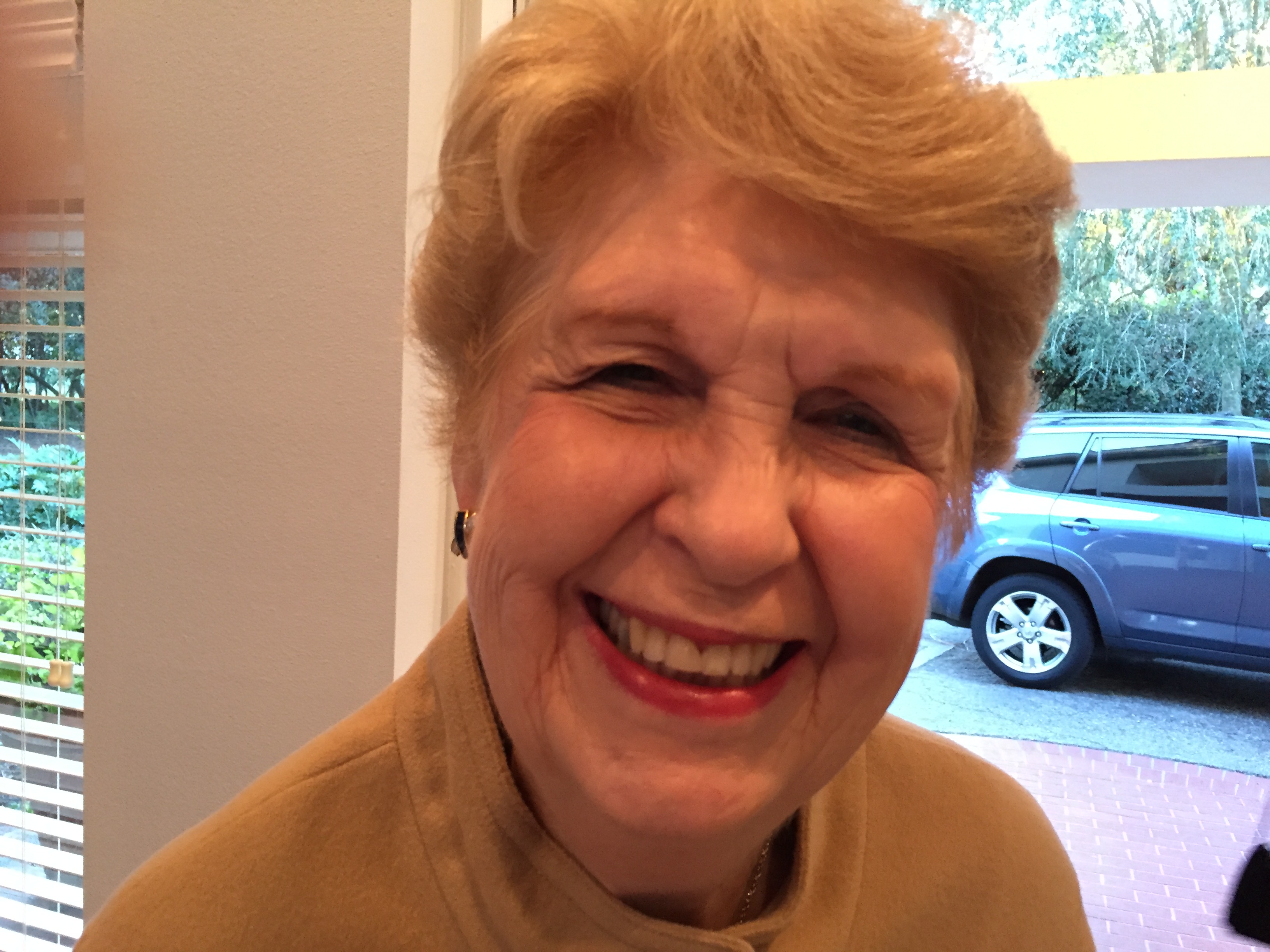
Janne Lane
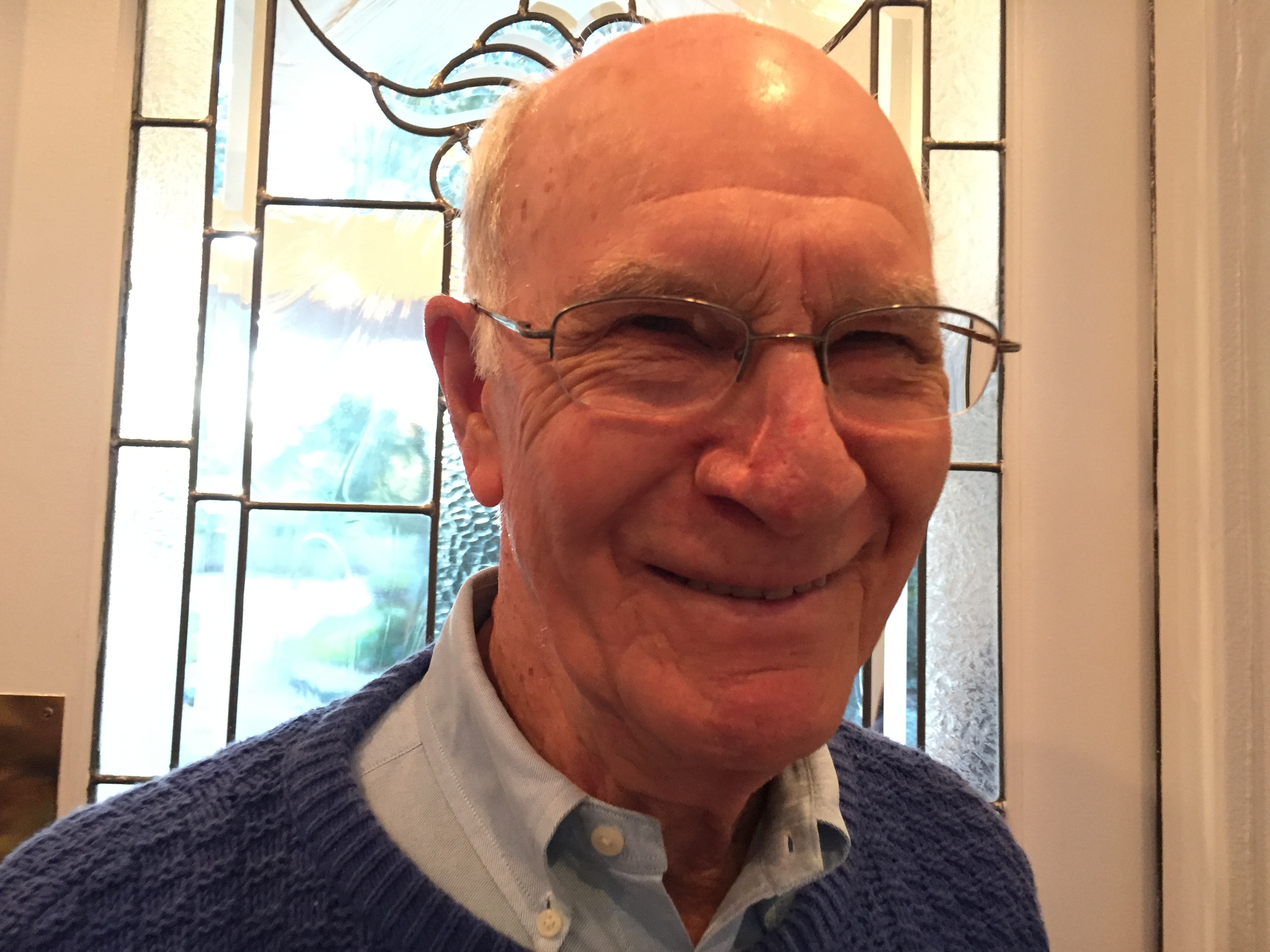
Dr. Jack Lane
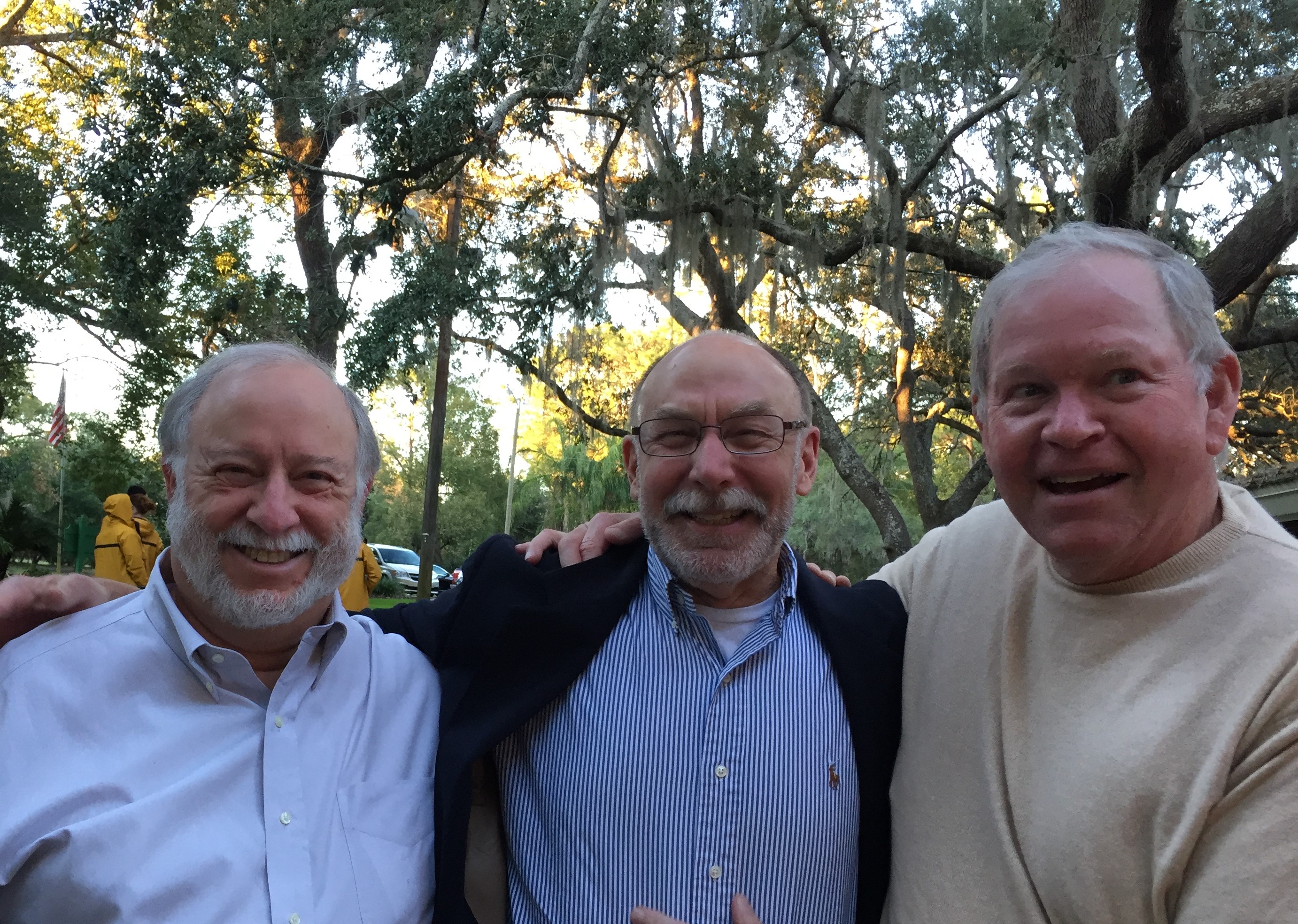
Steve Goldman, Peter Gottfried and Commissioner Peter Weldon

L to R: Randy Noles, Steve Goldman, Randy Roberts, Thaddeus Seymour
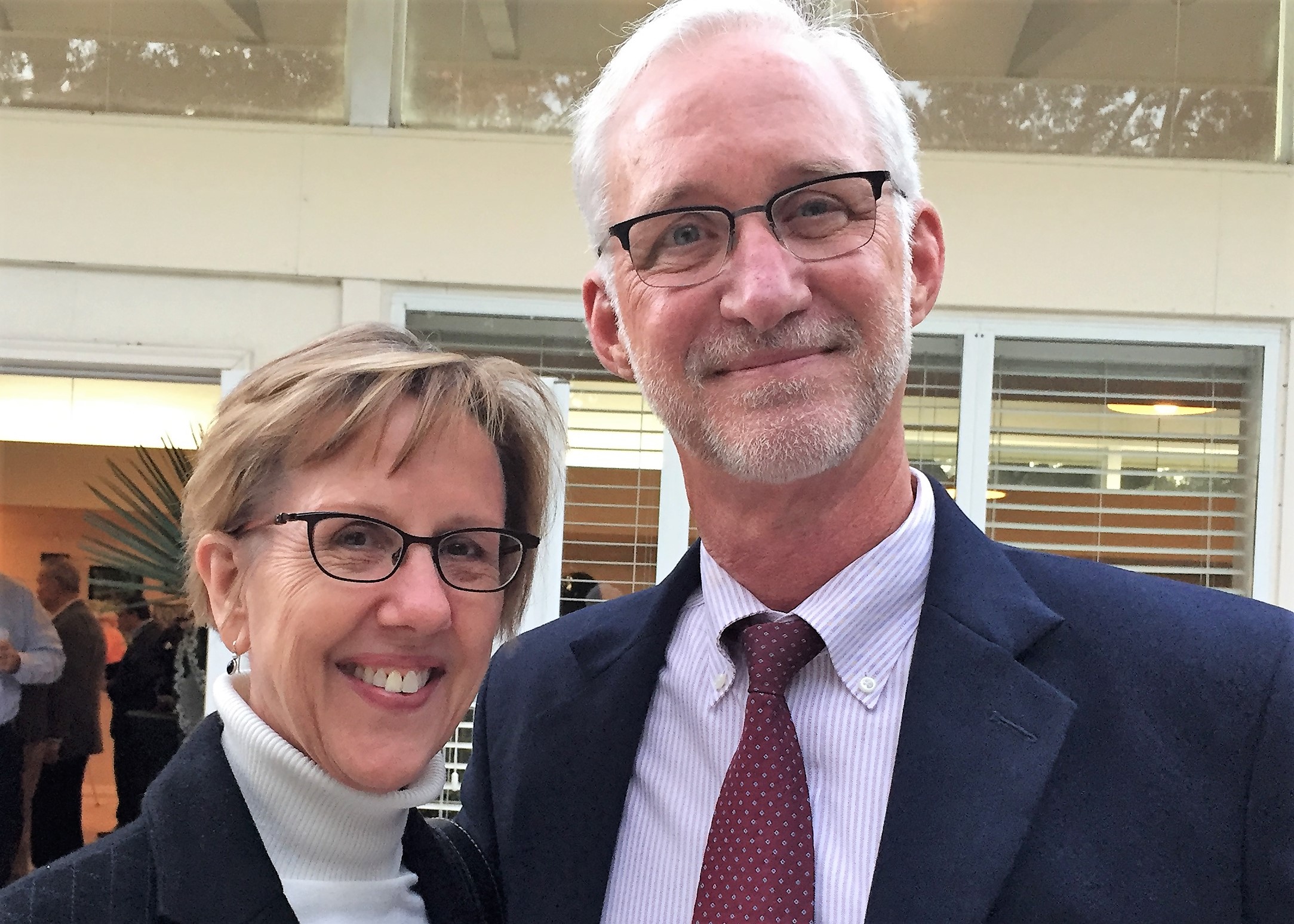
Ann and Tom McMacken

Bob Hartnett (left) and Steve Foreman (right)
[av_one_half first]

Ann Murrah
[/av_one_half]
[av_one_half]
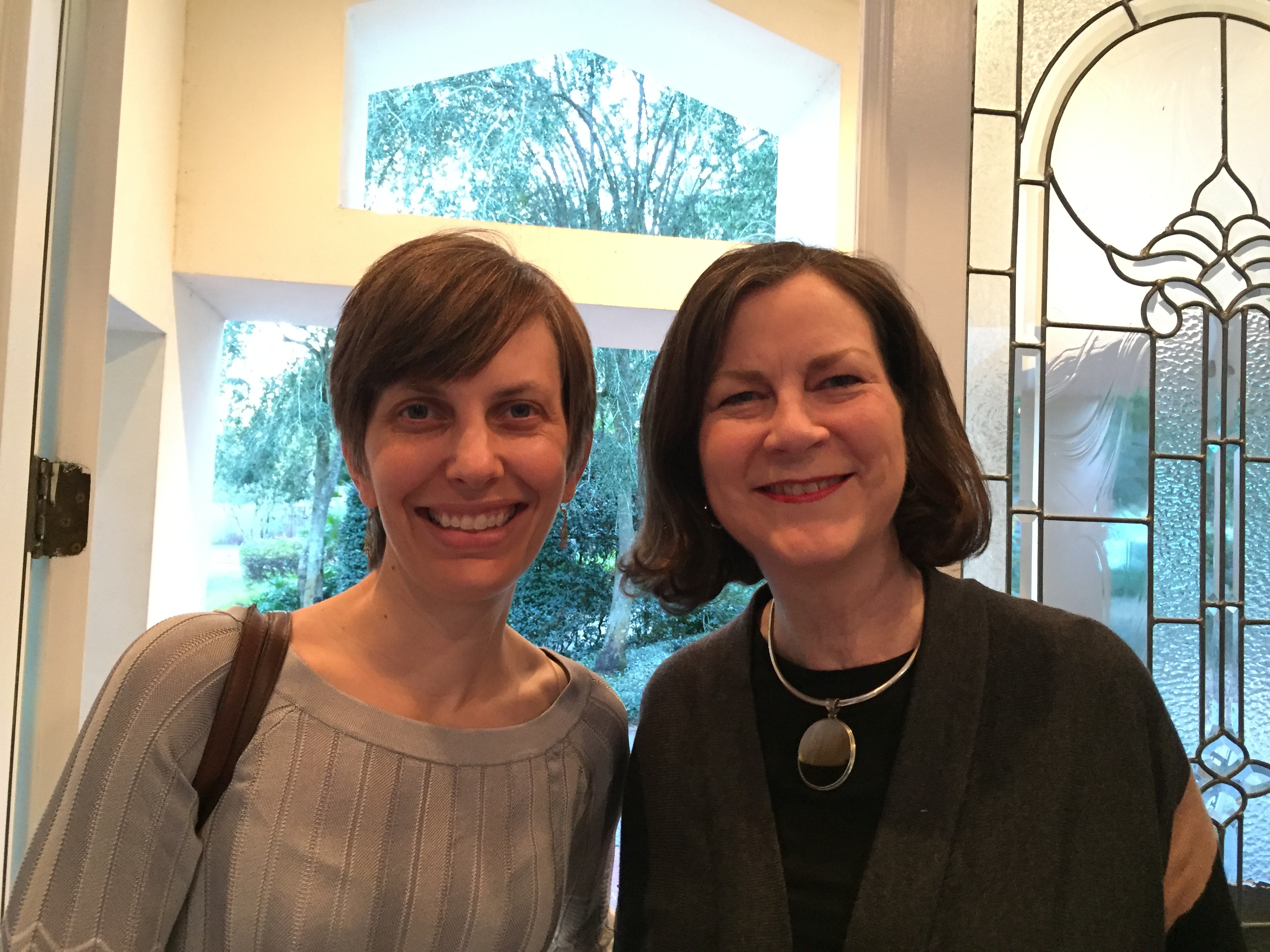
Erika Spence and Debra Hendrickson
[/av_one_half]
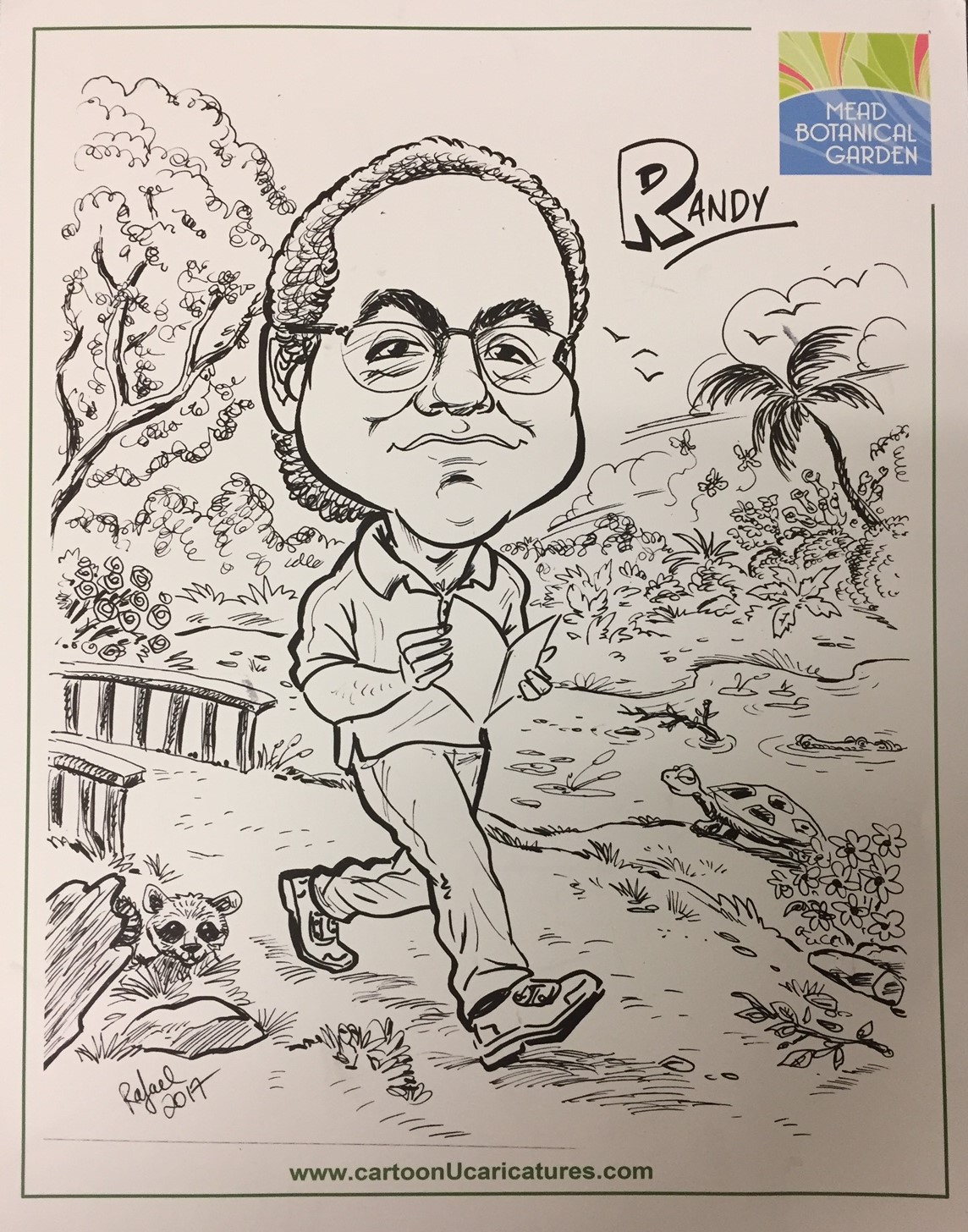
Rafael Diez – Reprinted with permission — http://cartoonucaricatures.com
To mark the occasion, this character drawing by Rafael Diez was presented to Noles. Mead Botanical Garden Executive Director Cynthia Hasenau learned that Noles, himself, had an abbreviated career as a character artist. “That,” she said, “led me to commission this rendition of Randy enjoying a stroll in Mead Garden.”
Judge Denies Citizens’ PAC
Judge Denies Citizens’ PAC
Requests for Rehearing, Rewording Denied
 As 2017 gears up, the court continues to clear obstacles from the Winter Park Library’s path to Martin Luther King, Jr. (MLK) Park. Judge Margaret Schreiber has denied the Save Our Library WP PAC’s requests for a rehearing of the bond validation suit and the removal of language specifying the library location from her ruling.
Petition Question Still Unanswered
The only matter still pending is a request that the court quash the Certificate of Insufficiency issued by City Clerk Cindy Bonham. The City maintains the petition is a “reconsideration of a referendum,” which must be filed within 30 days of the election. The PAC says their petition, which was filed in August well after the election, was an initiative seeking to establish an ordinance to prevent a library from being built in MLK Park. A Citizens’ Initiative, provided for in the City Charter, has no time limit.
City Fees Top $200,000
According to City Manager Randy Knight, the City’s legal fees, to date, amount to $201,759. Fees in the bond validation suit are $168,881, and fees in the dispute over the petition total $32,878.
Bond Validation Protects City, Saves Money in the Long Run
The bond validation protects the City from future legal challenge regarding the bond issue, and it will save the City money by allowing the bonds to be sold at a more favorable rate. Any expenditures associated with the bond validation will be recovered over the life of the bonds and, according to an attorney knowledgeable about the situation but who asked not to be identified, represents a wise investment on the part of the City.
PAC: City Could Have Avoided Additional Fees
According to citizens associated with the Save Our Library WP PAC, the City would not have incurred the $32,878 in fees if they had acknowledged the citizens’ petition initiative. Michael Poole, president of the PAC, told the Voice, “This expenditure could have been avoided by allowing the voters a say in the location of the library – either by including location language in the March 15, 2016 ballot, or by accepting the citizens’ petition as an initiative and allowing the voters to express their preference that way. If the City had put the location to a vote, it would not have cost them anything.”
Election Looms
Election Looms
City Commissioner Sarah Sprinkel will start her third term in office this March without opposition, but Commissioner Greg Seidel faces a challenge to his second term on Seat 1: Wes Naylor, whom Mayor Steve Leary appointed to the city’s Police Pension Board five months ago.
How those developments will affect the board’s future approach to zoning and planning is anyone’s guess. Even before the election, commissioners this week showed they can act unpredictably on such matters.
Unforeseen Zoning Votes
Sprinkel, who often agrees with Leary on zoning issues, did just that with most items on Monday’s agenda. But she joined forces with Commissioner Carolyn Cooper to oppose a relatively minor lot-split request, defeating it in a 2-2 vote from which Seidel abstained because the applicant was building him a home.
Later, Seidel, who often sides with Cooper on zoning matters, found a third ally to defeat a contentious request affecting a westside neighborhood.
The applicant, Morgan Bellows, wanted to rezone a single-family lot on Comstock Avenue to higher density R2 so he could build a large single-family house. R2 zoning would give him an extra 600 extra square feet so the house could be 4,300 square feet.
Seven residents made impassioned pleas against the project because of the cumulative effect such rezonings and larger structures would have on the small westside community.
Racism an Issue?
“Inch by inch, block by block, you start changing,” said Martha Hall about her neighborhood. She recounted the history of efforts to remove blacks from west Winter Park starting in the 1800s. “You all may look at it in a different manner, but when you look at racism, when you look at discrimination, it happens. I always say, there’s a zebra and can a zebra change its stripes? You all continue to make the same decisions” on westside development.
Opponents weren’t optimistic their arguments would be heard. The Planning and Zoning Commission had voted 2-2 on the request, with board member Randall Slocum abstaining because he was working for Bellows. On Monday, city commissioners also heaped high praise on Bellows’ application and design.
Commissioner Pete Weldon even chided Hall by name. “I am sick and tired of people coming here and associating the performance, the judgment, and the thought processes of the people who serve this community as racist, and I don’t want to hear it again, Miss Hall.” Leary agreed the racism words “disgusted” him.
“You will hear it again,” a woman in the audience called out.
Then Weldon did the unexpected. He said he was voting against the rezoning, “not because the neighbors are all against it, not because Miss Hall thinks I’m a racist, but because in my judgment it is an accommodation without strategic purpose for the neighborhood or the city.”
Interviewed after the meeting, Hall, surprised by the 3-2 vote, said, “I was pointing out history and what has happened through the years and what continues to happen. I didn’t call anyone up there racist.” She said it’s important to talk about issues like racism to address them. “When a person can’t sit down and talk about it, something is wrong.”
Parking Lot Nixed
Perhaps the most unexpected vote of the evening was the commission’s unanimous denial of Phil Kean Designs’ request for a parking area in a residential neighborhood. The Fairbanks Avenue business wanted to rezone a single-family lot behind the business, making the front portion R2 and the back portion parking for Kean’s business.
Planning and Zoning had voted 3-2 for approval, and city planners argued that fencing would shield neighbors from the parking. Commissioners also heaped high praise on Kean, a luxury home developer, but Weldon moved to deny the request, with Cooper seconding. The rezonings were defeated 5-0.
March Election
In addition to the Seat 1 election, the city election on March 14 will include a charter question changing the way the city handles multi-candidate races. Currently, the city holds a primary race in February when there are more than two candidates. The charter amendment would put the first ballot in March and hold a runoff, if needed, in April.
Seidel is on the ballot again after two years because he ran successfully for the remainder of Leary’s term after Leary resigned to run for mayor in 2015. Seidel previously served on the city’s Utility Advisory Board as its chairman. He is vice president of a Winter Park-based civil engineering firm and has lived in the city 16 years. Naylor, a retired Naval officer, is president and managing partner of an Orlando consulting group serving businesses seeking military contracts. He moved to Winter Park five years ago.
Recent Comments