
Winter Park to Remove Flock Cameras Per State Order
“The cameras have value in terms of investigative and security uses, but the issue is whether or not people’s privacy rights and concerns over surveillance outweigh those legitimate and positive uses,” Commissioner Warren Lindsey told the Voice
Sept. 2, 2026
By Beth Kassab
Winter Park Police Chief Tim Volkerson said all three of the Flock cameras operating in Winter Park will be taken down in order to comply with a state order to remove the license plate readers from state roads.
Volkerson said the cameras will come down within 30 days as required by the order from the Florida Department of Transportation.
“… The recent exponential increase in deployments along our roadways, coupled with concerning reports of misuse, data privacy concerns and surveillance schemes merit immediate action to preserve Floridians’ sovereignty and quality of life,” read the memorandum dated Aug. 31.
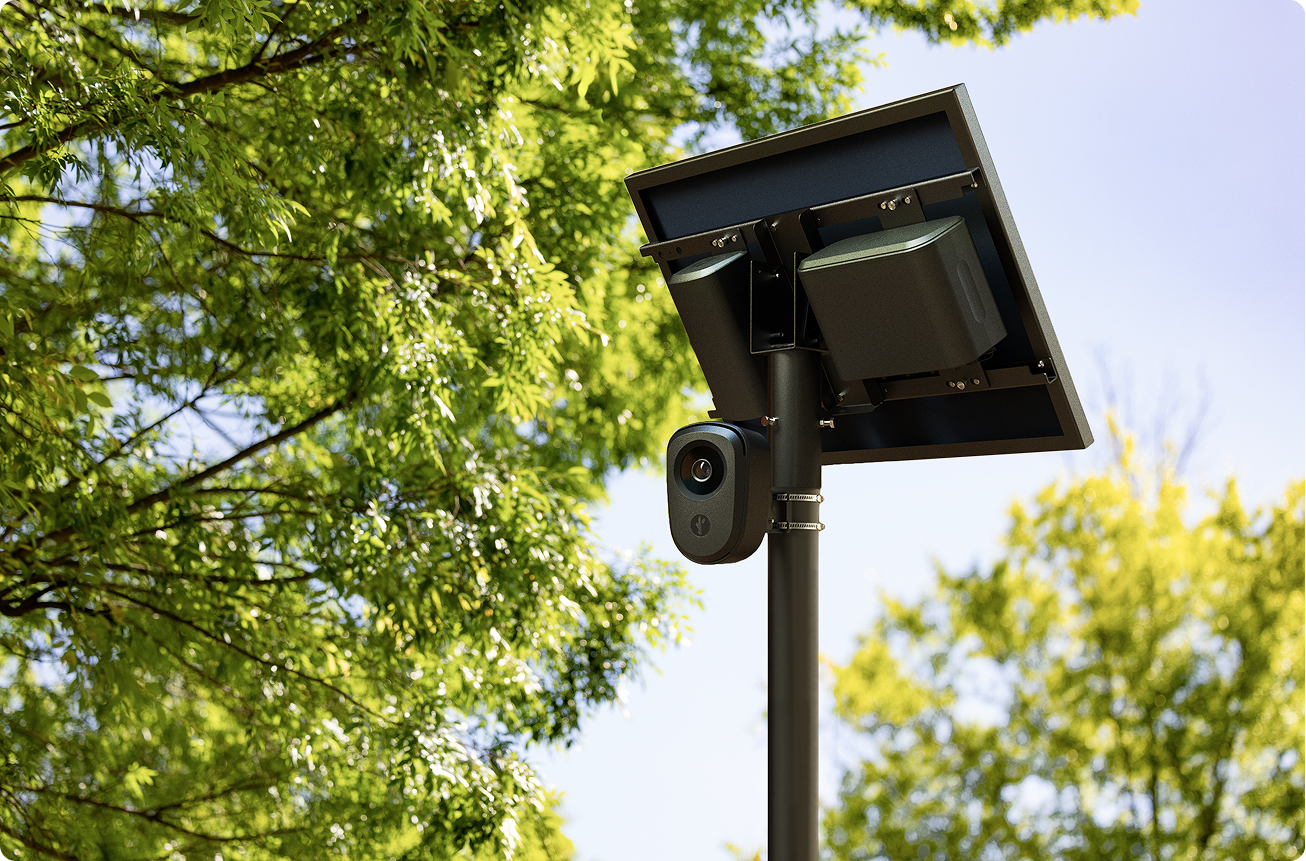
Winter Park has operated the cameras on Lee Road, Fairbanks Avenue and Aloma Avenue for about five years. All are on state-owned roads and must be removed to comply with the state’s order revoking permits for the devices.
Volkerson said it’s possible the cameras will be placed on city-owned roads, which would not be impacted by the state’s order. He said the original locations were selected because they cover the major roadways that lead in and out of the city of 30,000 people surrounded by Orlando, Maitland and neighboring Seminole County.
The Voice reported last month that Volkerson made changes to the way the police department used the cameras in response to increasing concerns about privacy and growing awareness about instances of law enforcement in other jurisdictions abusing the database created by the cameras. He ended direct access to Winter Park’s cameras by outside agencies and also said he planned to more strictly audit how his department was using the database.
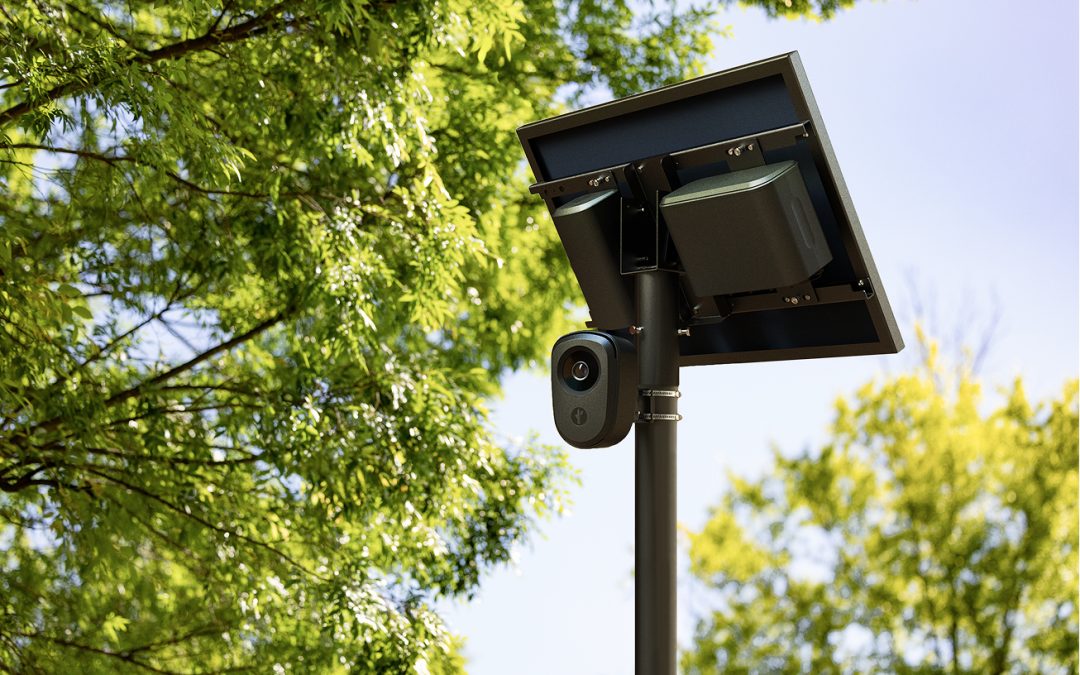
Flock cameras, which get their name because they are manufactured by an Atlanta-based company called Flock Safety, are mounted along roadways and photograph vehicles. They create a searchable database of license plate numbers and other details such as the vehicle’s make, model and distinguishing characteristics. Police can search by inputting a description such as a blue Toyota RAV-4 with damage to the back bumper or by a tag number as part of an investigation.
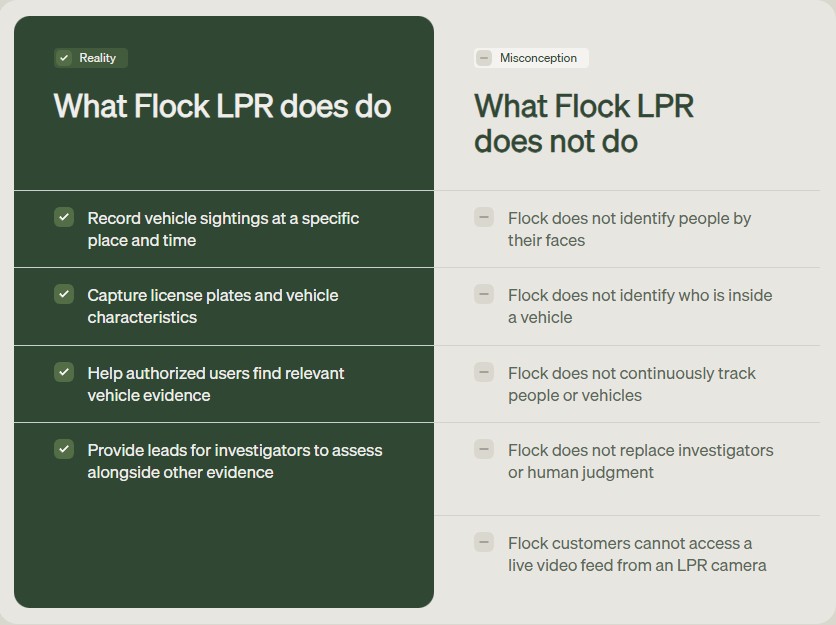
Officers can also program the system to alert them if a vehicle with a specific description or tag number is captured by one of the cameras.
In July, his officers conducted between 50 and 60 searches using the cameras, which cost the department $7,500 a year to lease.
Volkerson previously told the Voice the network of surveillance provides a “huge benefit” for safety as a tool for solving crimes.
As an example, Volkerson said the cameras proved helpful earlier this year when there were some residential burglaries along Phelps Avenue. He said his officers pursued a suspect but lost him. About 20 minutes later, they received an alert for the vehicle from a camera near South Orlando Avenue and pursued it again but did not capture the suspect. Eventually a different agency’s camera alerted that the vehicle was near Apopka and the suspect was arrested.
But in recent months, the network of cameras has prompted nationwide backlash among people concerned about data collection and the privacy of law-abiding citizens.
Commissioner Warren Lindsey, who is also a well-known criminal defense attorney, said he has concerns about the cameras and wants to consider the risks and benefits before the city decides to continue to use them in other locations not governed by the state order.
“We need to look at it carefully,” he said. “Where does the data go and where is it used? The cameras have value in terms of investigative and security uses, but the issue is whether or not people’s privacy rights and concerns over surveillance outweigh those legitimate and positive uses.”
WinterParkVoiceEditor@gmail.com
Meanwhile, everybody blows through the E-Pass toll system without a care in the world. smh
Why after five years this becomes a problem? Look at all the crimes that have been solved using these cameras versus the small number of cases of law enforcement officers misusing the database. Removing these cameras is a big mistake. You want to worry about surveillance, while inside your home, yell to your spouse you are having some itching back there and ten minutes later you will get Preparation H ads on your Facebook feed-maybe we should worry about that!
Those who would give up essential liberty, to purchase a little temporary safety, deserve neither liberty nor safety
Flock at its core is a decent company with a decent ceo tying to do the right thing for communities. Social media companies are more problematic to a community than a few cameras following tracking someone from a hit and run. The irony of this is silly. We have surveillance on our homes and schools and storefronts, but no not those streets! I agree that nefarious actors should not access the data. There are always a few bad actors. Let’s instead make some ground rule for the residential cameras on someone’s home that shout “you are on camera!” As you are trying to have a peaceful walk down the street. If everyone’s camera did that, could you just imagine? Or people the people putting cameras and flags on oaks in the city owned part of the right of way. Nobody is complaining about those people damaging city oaks.
You only need to worry about them if you are doing something wrong.
If the Flock cameras don’t recognize faces, why is there one at the College Point Park where there is no road or cars? Total lies.
We need a plan…. Tracking is an essential part of crime resolution for police, Three cameras are not sufficient; but a well thought out network of traffic cameras would be so helpful and may pay for themselves.
Glad they are gone. Thank You. I enjoy my privacy and protect myself