
Quinne Perez Becomes Florida's First Transgender Person Elected to Public Office
Perez won a seat on Orange County’s Soil and Water Conservation District, a board with hardly any budget or power, but one she hopes to improve
Nov. 4, 2026
By Beth Kassab
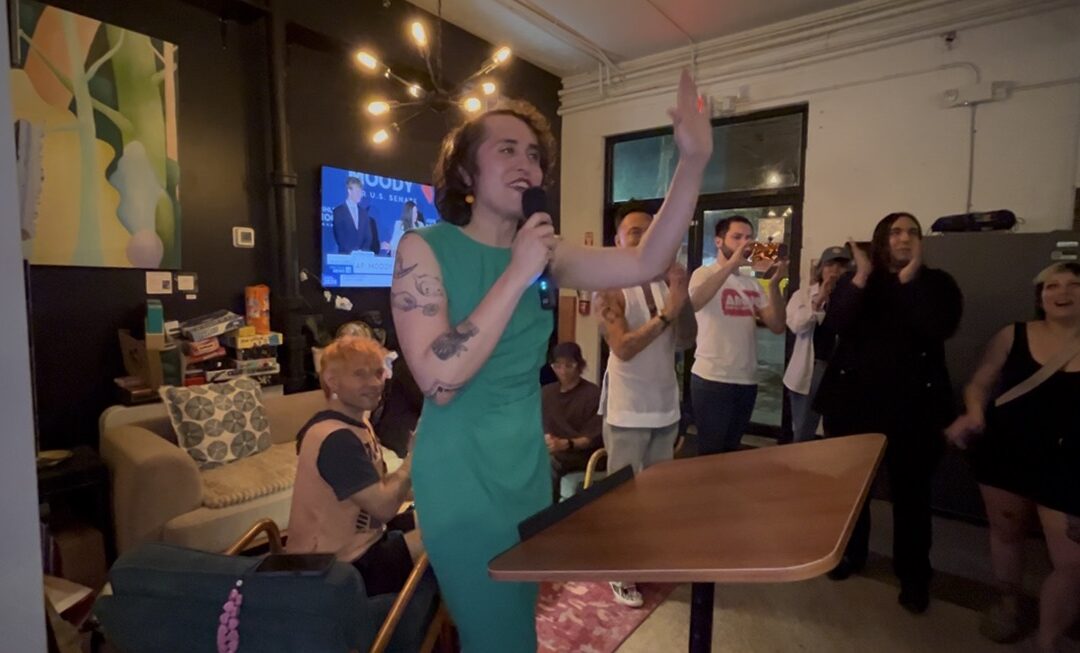
Quinne Perez made history Tuesday night as the first openly transgender person elected to public office in Florida.
Her position, Seat 1 on the Orange County Soil and Water Conservation District, doesn’t carry much authority. The district has no dedicated funding source and little power over policy other than a bully pulpit.
But Perez, 32, said her election sent a message about the effectiveness of connecting with voters on the campaign trail. She hopes to use that experience, along with lessons learned while working on other campaigns, to raise the district’s profile.
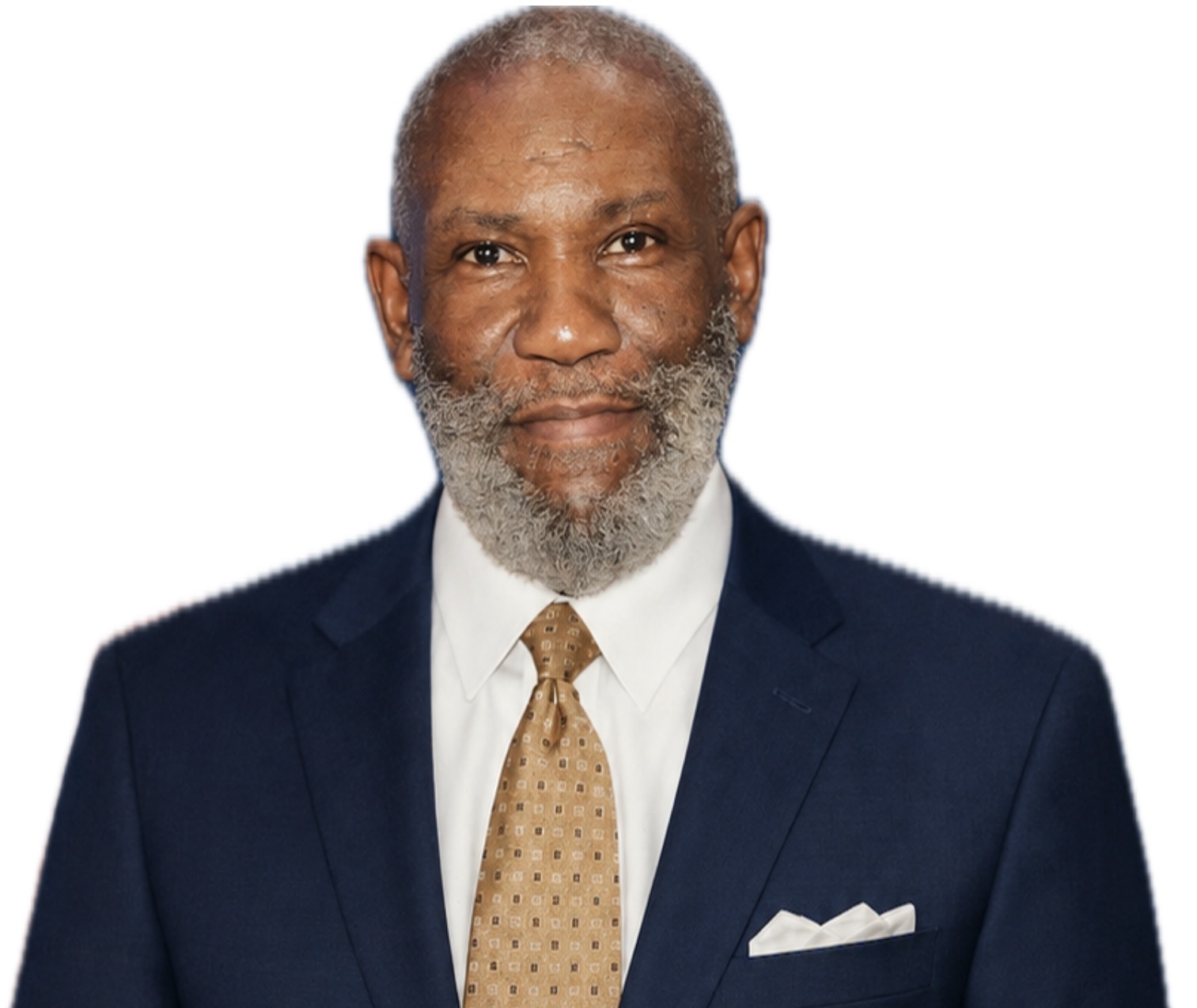
First, though, she needs time to absorb what she described as the astonishing outcome of her victory. Perez captured nearly 37% of more than 96,000 votes cast. Opponent Doug Sahr received 32%, while Vicente Rafael Perez Carreno received about 18%. Another 13% of voters left their ballots blank.
“I’m still in shock,” Perez said Wednesday morning. “Last night was definitely something else. I won in probably the most conservative part of Orange County. I did not expect to win.”
Seat 1 encompasses a broad swath of southwest Orange, including Hunter’s Creek, Winter Garden, Oakland and Lake Buena Vista.
“My phone is just blowing up,” she said.
Perez, who describes herself as the daughter of Mexican farmworkers, grew up in Ocala and now works in the medical cannabis industry.
She said a typical campaign day started at 4 a.m. so she could clock in at her day job by 6 a.m. After work, she would “hit the pavement” and attend events to get her name out to voters.
She also raised about $6,000 — a modest war chest by most political standards, but more than any other candidate in the races for the district’s seats.
Her identity as a transgender person, she said, likely helped her campaign in some ways but hurt it in others.
“It was probably a little bit of both,” Perez said. “Whenever someone told me they voted for me and I asked them why they usually said something about the merits of the campaign. Being trans wasn’t something that really came up. But I tried to build a broad coalition and the people who didn’t vote for me probably weren’t going to vote for me anyway.”
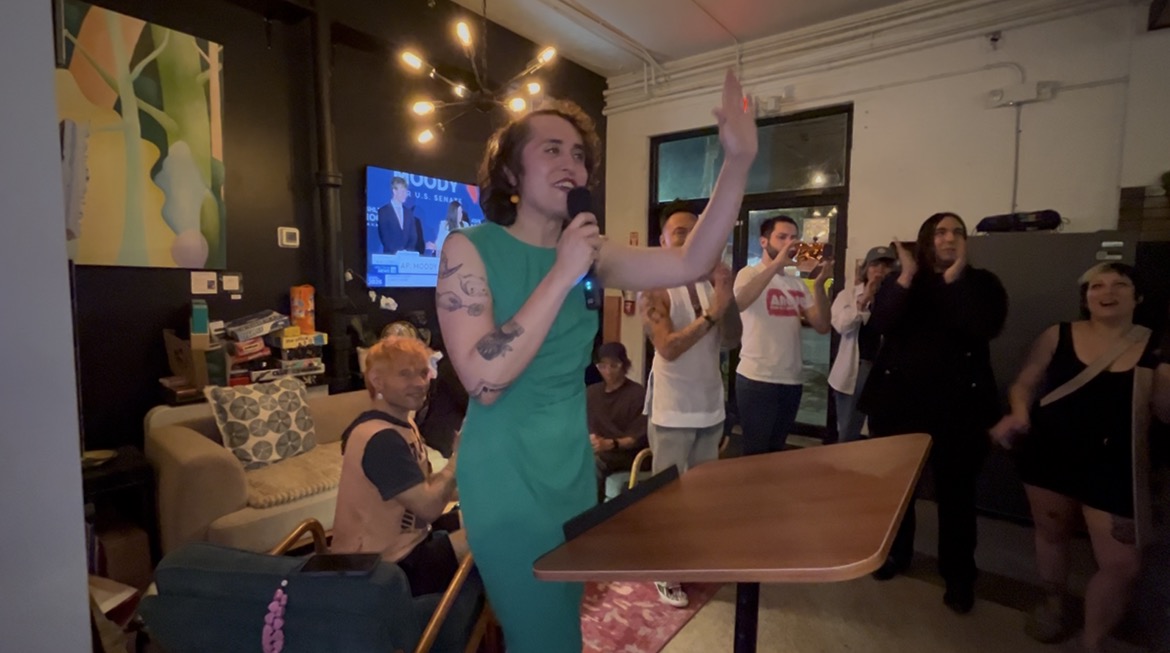
Perez said she began identifying as transgender about four years ago, while still in her 20s. After experiencing depression and burnout, she began to better understand what made her feel healthy and “more like myself.”
When she considered running for office, some friends who had also worked on previous campaigns with her expressed support but raised concerns about her safety.
“People did say, ‘I love this for you, but be safe,'” she recalled. “But ultimately this was something that is bigger than myself.”
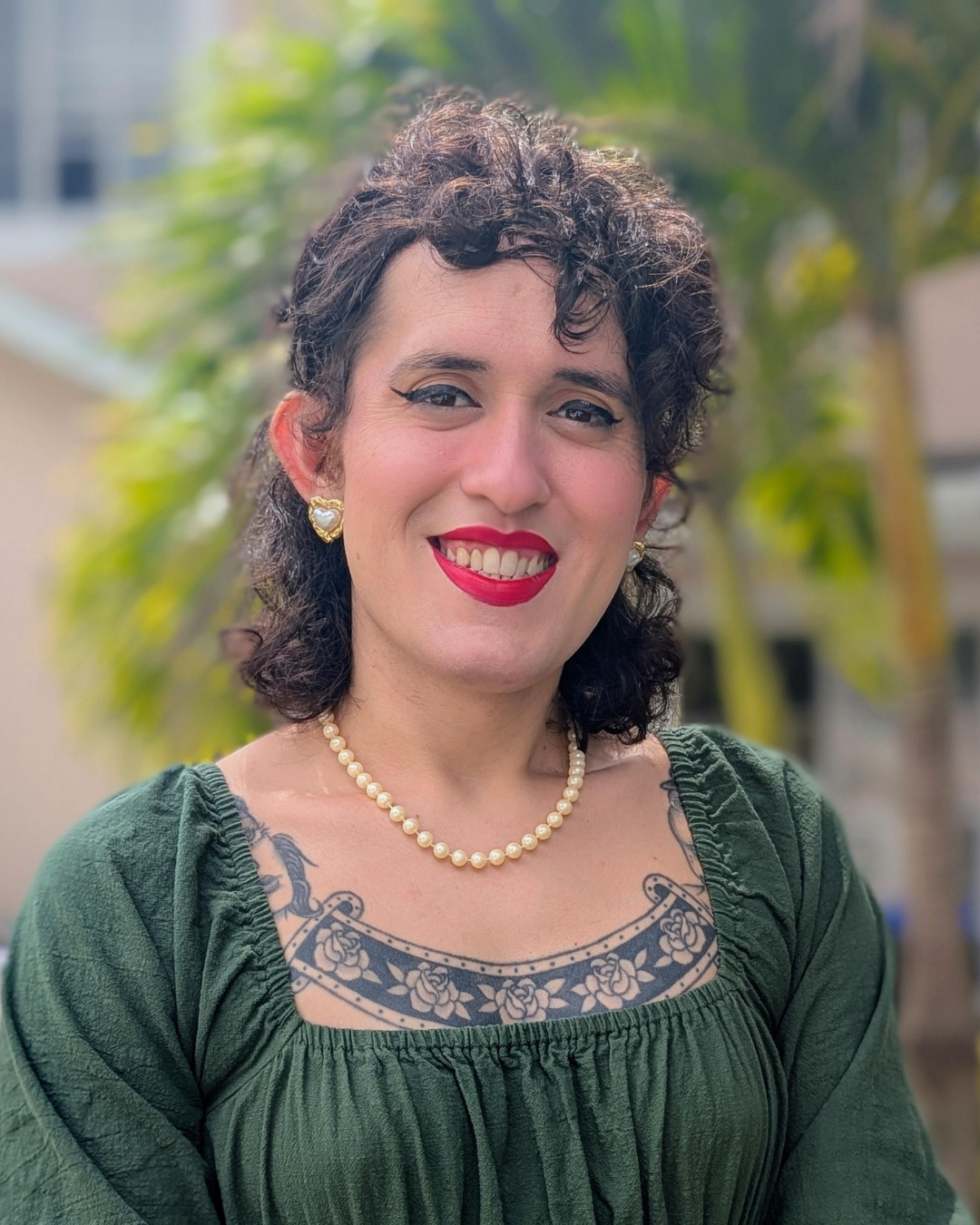
Jimm Middleton, who won the district’s Seat 5, representing Winter Park, over Zack Green with 48% of the vote, said he was happy for Perez and admired the campaign she ran.
Middleton had personally supported Carreno for Seat 1 because the two already volunteer together for the district. They had tried to run as a slate along with Erik Melear, who sought Seat 3.
“I’ve got to give credit where credit is due,” said Middleton, who works as an IT manager at Walt Disney World. “She was out there raising money and getting a bunch of endorsements and personally greeting voters.”
Middleton said he was disappointed that Carreno and Melear, who lost to José Antonio Rodriguez, would not be joining him on the district board. Still, he was hopeful the district could improve the way it operates.
“I’m OK with anybody who can get work done,” Middleton said of the winners. “As long as people contribute.”
The district board, whose members receive no pay and lack even basic resources such as an official email address, has struggled in the past with members missing meetings and failing to take ownership of their roles.
The board has no significant budget and must fundraise to cover some of its needs, but the district itself has been around for about 80 years. Florida began establishing soil and water conservation districts as far back as the 1930s, charging them with carrying out local programs to conserve and protect soil, water and land for agricultural purposes.
In recent years, lawmakers in Tallahassee have made several attempts to abolish the districts outright, though none has succeeded.
Several candidates argued that a board focused on teaching residents best practices to maintain clean water, the local tree canopy and growing plants and food could surge back to relevance. They point to an age of AI data centers that consume water and power, soaring grocery prices and environmental challenges such as frequent named storms.
According to the district’s current budget plan, it will hold a fundraiser in November, an attempt to raise the board’s profile and build a cash balance that is starting from nearly zero. The district projects about $3,000 in cash and nearly $1,000 in expenses, including renting a post office box, maintaining its rudimentary website and buying supplies for outreach and education events, such as handouts and volunteer shirts.
Its most critical budget item is a donation in the form of space and services from Orange County government valued at about $11,000. The donation includes a meeting room for the board, broadcasts of its meetings on OrangeTV and some legal services.
The board members use their personal email addresses to conduct business and, without a staff, volunteer for different roles such as acting as treasurer, keeping records, sending out agendas and minutes and updating the website and Facebook page.
WinterParkVoiceEditor@gmail.com
Recent Comments