by Concerned Reader | Jan 31, 2022 | Zoning and Development
Winter Pines Golf Course Has Good Round
by Geri Throne / January 31, 2022
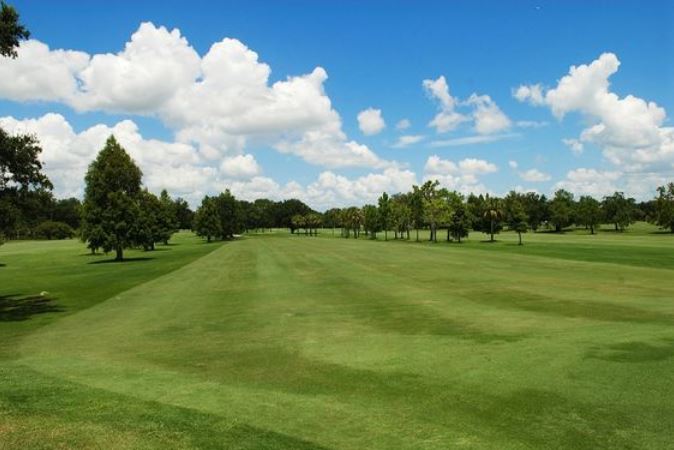
Now that Winter Park commissioners have decided to pursue buying the 18-hole Winter Pines Golf Course, the next step is how to pay for it.
A 20-year municipal revenue bond is likely. A price tag of $7.4 million would give the city a busy 18-hole public golf course, pro shop/snack bar, driving range and maintenance buildings and equipment.
In recent years, the privately-owned course has netted more than $600,000 annually. Even if that revenue drops, city staffers told commissioners last week, it should be enough for the debt service. A bond issue would not require voter approval because it is for parkland.
Redevelopment Pressure
Despite concerns about future costs and a waning national interest in golf, commissioners were attracted by the opportunity to add 93.13 acres to the city’s green space and stop owners’ attempts to redevelop the site.
Over the past three years, Winter Pines golf course owners have twice approached the city with plans to convert all or part of the site’s zoning from parks-and-recreation to residential. Each time, they withdrew after learning about impediments to redevelopment in the city’s comprehensive plan for future land use.
The comp plan, as it is called, guides important city policy decisions about growth and change, but the document isn’t set in stone. Right now, all it takes is a simple majority vote of three commissioners to revise it. Proposed city charter amendments on the March 8 ballot would set a higher bar for major revisions. For example, applications to turn parkland into a subdivision would require a supermajority of four votes to pass. Such requests could still be approved, Mayor Phil Anderson points out, but they’d face higher standards. “For me, as a resident, anything that makes a significant and irreversible change to the city deserves a higher standard of care. The key for me is, is it irreversible?”
City commissioners hope the purchase of the course guarantees it remains open space. If it stays in private hands, redevelopment pressure is sure to continue, City Manager Randy Knight told commissioners. The reason is simple economics. Rezoning the land into developable property would make its value leap to $30 million – more than five times its value as a golf course.
An Offer to Sell
Negotiations for the purchase began months ago, after the owners presented an offer to sell the city the golf course. The $7.4 million price tag mirrors the $14.8 million that Seminole County paid last year for two courses. The Pines owners asked for more than the $5.8 million assessed value because it is giving up potential development rights, Knight said.
Commissioners unanimously agreed on entering the contract. Commissioner Carolyn Cooper expressed the most reservations. The city needs to be ready to make improvements to the property to enhance its revenue, she said, noting that the sport of golfing has seen a “serious decline in participation” since 2008. “I don’t want taxpayers to have to subsidize yet another golf course,” she said.
Abandoned golf courses have become a national trend as the sport’s popularity has declined. Some owners have redeveloped the land into everything from homes to detention ponds. Some owners have just walked away. Others have sold the courses to cities and counties, which either convert them into public open space or keep them open. That’s what happened in Seminole County, where cities and the county have bought up five privately owned courses since 2015.
Commissioners envisioned a number of additional uses for the Pines property under city ownership, from a restaurant to Frisbee golf. They agreed with Commissioner Sheila DeCiccio that a citizen advisory board be created to assist with the transition to a city-owned facility.
Commissioner Marty Sullivan supported the purchase, even if the course ends up costing taxpayers money to maintain. “There is that risk of it potentially costing us. I am okay with the risk because green space costs us money. It’s an asset to the city and residents.”
As the hearing last week drew to a close, city planner Jeff Briggs added his personal endorsement. “I’ve been coming to these meetings for 40 years. Rarely does the city commission get a chance to make a decision that’s forever. We need to celebrate.”
To comment or read comments from others, click here →
by Concerned Reader | Jan 23, 2022 | News
Will City Hall Be Designated a Historic Landmark?
Commission Will Vote on Resolution at Jan. 26 Meeting
by Anne Mooney / January 23, 2022
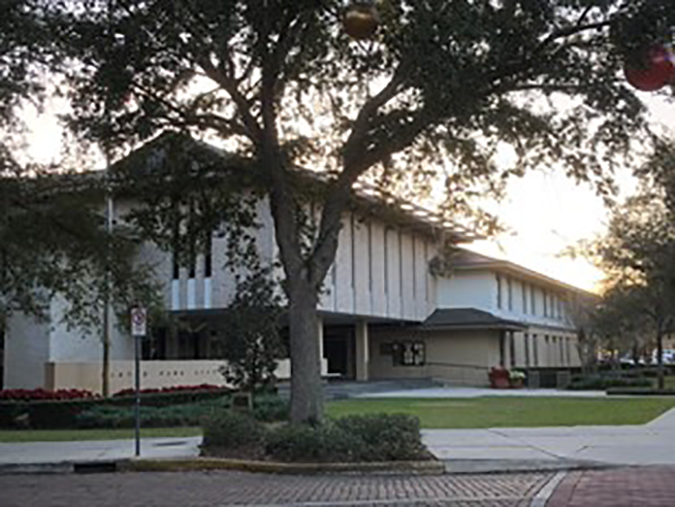
The Historic Preservation Board has brought forward its unanimous recommendation that the City of Winter Park add Winter Park City Hall to its Register of Historic Places. The Commission will vote on the resolution at the January 26 meeting. Readers are urged to let Commissioners know their thoughts by writing mayorandcommissioners@cityofwinterpark.org
Designed by Unique Architects Collaborative
Built in 1964, Winter Park City Hall was designed by the Winter Park Architects Collaborative, a group of local architects with national reputations. They were George Tuttle, Jr., John Langley, James Gamble Rogers II, Nils Schweizer, Gordon Orr, Jr., Clifford Wright and Fred Owles, Jr.
Mid-Century Modern Architecture
The City Hall building is a classic example of Mid-Century Modern architectural style. The two-story scale is compatible with the village scale of Park Avenue. Generous setbacks from Lyman and Park Avenues mirror the open green space of Central Park.
Roof Raised in 1978
Originally, the west wing of City Hall was one story, but in 1978 that structure was increased to two stories by raising the 80-ton roof some 14 feet to create the City Hall we see today.
City Hall Meets the Criteria for Historic Designation
To be designated a historic landmark, a building must possess “a quality of significance in American history, architecture, archeology, engineering, and culture. . . .” The building also must fit at least one of the following additional criteria:
- An association with historic events, or
- An association with the lives of significant persons, or
- Possess high artistic values, or
- Represent a significant and distinguishable entity . . . .
A great deal of history has been created within those walls over the past 57 years. The Architects’ Collaborative is a unique effort and the style of the building they created is significant, especially to those of us who live in Winter Park.
To comment or read comments from others, click here →

by Concerned Reader | Jan 17, 2022 | Election
Winter Park Candidate Forum
Meet the Candidates for Commission Seats 3 and 4
To comment or read comments from others, click here →
by Concerned Reader | Jan 13, 2022 | Election
Charter Amendments on March Ballot
Voters Will Decide on Super-Majority Voting Requirements
by Anne Mooney / January 13, 2022
In addition to choosing candidates for Commission seats #3 and #4, the March 8 ballot will ask voters to decide on six amendments to the City Charter requiring a Super-Majority vote in certain instances. The so-called Super-Majority is four out of five Commission votes; currently, Commission actions need only a Simple Majority of three out of five votes.
Winter Park goes back and forth on the subject of Super-Majority votes. The last time it came around was in 2014, when the Commission passed an ordinance abolishing Super-Majority votes. What one Commission can enact, the next Commission can repeal.
Only voters can decide
This time, instead of having the Commissioners decide by ordinance, the Commissioners have chosen to let the voters decide the question in the form of amendments to the City Charter. Charter Amendments passed by voters can only be repealed by voters.
Super-Majority votes can be wonky, boring, complicated subject matter – and it can also have a profound effect on the way our City will develop and grow into the future.
The ballot questions ask voters if they want a higher bar — four out of five Commission votes — in six distinct situations. To cast informed votes, voters must understand each situation – so hang in there.
All ballot questions will refer to Sections 2.08 and 2.11 of the Winter Park City Charter. We have left out that verbiage here to save your eyes and your patience, but you will see the language on the ballot. To read the full ballot questions, click here: https://cityofwinterpark.org/government/election-info/. This language also will appear on Sample ballots, which will be mailed February 18.
Question #1 – Sale of City-Owned Property
“Shall . . . the Charter be amended to require at least four of five members of the city commission to vote in favor to approve the conveyance of . . . city-owned property?”
Welcome Center
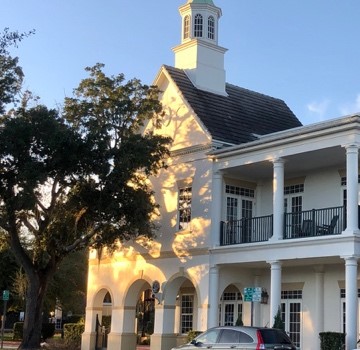
Simply put, if the City wanted to sell a piece of property it owns, like City Hall or the Welcome Center, four Commissioners would have to vote in favor.
Question #2 – Rezoning Parks & Public Lands
“Shall . . . the Charter be amended to require at least four of five members of the city commission to vote in favor to (i) approve . . . rezoning of city-owned park land; and (ii) approve rezoning or change of use of land currently zoned public and quasi-public district or zoned parks and recreation district.”
The rezoning of parks and recreation land is pretty straightforward. If this amendment passes, parks and recreation land, such as the West Meadow, could not be changed to another use without four of the five Commission votes.
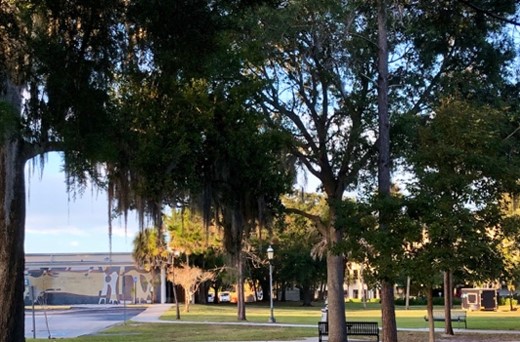
West Meadow
Public and Quasi-public (PQP) rezoning is more complicated, as it is not limited to uses one might ordinarily associate with public spaces. PQP zoning can include schools and uses associated with schools, like gyms, dorms, bookstores, dining halls, theaters etc., post offices, parking lots, museums, medical care facilities, nursing and convalescent homes and assisted living complexes, public utility services, uses in performance of governmental services, churches and community service organizations, along with a host of uses associated with facilities of this sort.
Commissioner Carolyn Cooper said of this proposed amendment, “I do think changing use in property that is currently serving the public and creating part of our collective public realm should receive the support of an overwhelming majority of local leaders before its use is redirected.” Cooper also pointed out that many of the PQP uses serve only a narrow group and pay no taxes.
Question #3: Residential and Lakefront Property Map Amendments
“Shall . . . the Charter be amended . . . [for] rezoning (i) from a residential to a non-residential category, or (ii) lakefront property from a residential use to a commercial use, mixed-use, medium density residential use or high density residential use?”
 This amendment would make it more difficult for higher density types of development of single-family residential property, particularly lakefront single-family residential. It would also provide increased protection for residential communities against commercial encroachment.
Question #4: Density and Intensity Increases
“Shall . . . the Charter be amended . . . rezoning that increases the maximum allowed residential units per acre (density) or floor area ratio (intensity) by more than twenty-five percent from the existing maximum allowed density or intensity of use?”
This amendment would require four of the five Commission votes to increase density (units per acre) and intensity (square footage) of development by more than 25 percent.
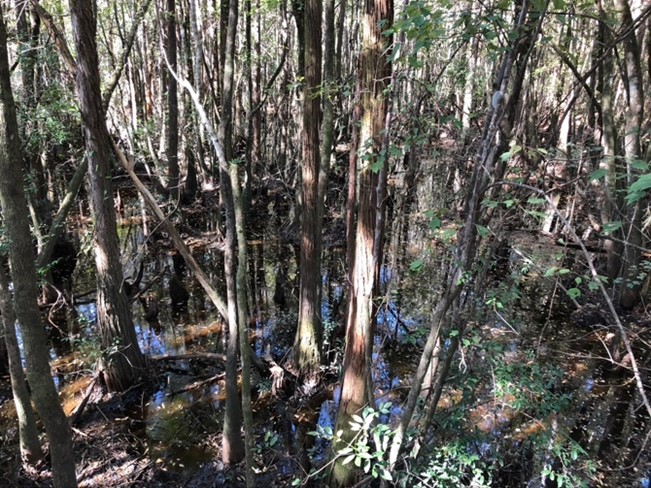
Question #5: Development in Wetlands
“Shall . . . the Charter be amended to require at least four of five members of the city commission to vote in favor of . . . development within wetlands?”
Question #6: Ordinance Changes During Adoption Process
“Shall . . . the Charter be amended to require an additional public meeting and reading of a proposed ordinance . . . if, during the adoption process either (i) a substantive or material change is made, or (ii) a change is made to a proposed zoning or comprehensive plan amendment ordinance resulting in an increase in the maximum allowed density or intensity of uses or a change to the permitted uses?”
If, in the process of adopting an ordinance, a substantive change occurs in the language of the proposed ordinance, the meeting at which the change occurs will be considered the “First Reading” of the ordinance, and there will be an additional noticed public meeting and another Reading and the public will have the opportunity speak to that change.
To comment or read comments from others, click here →
by Concerned Reader | Jan 7, 2022 | Election, Uncategorized
Meet the 2022 City Commission Candidates
by Anne Mooney / January 2, 2022
Note: This article was updated January 13 to reflect recent changes in the vote-by-mail ballot schedule.
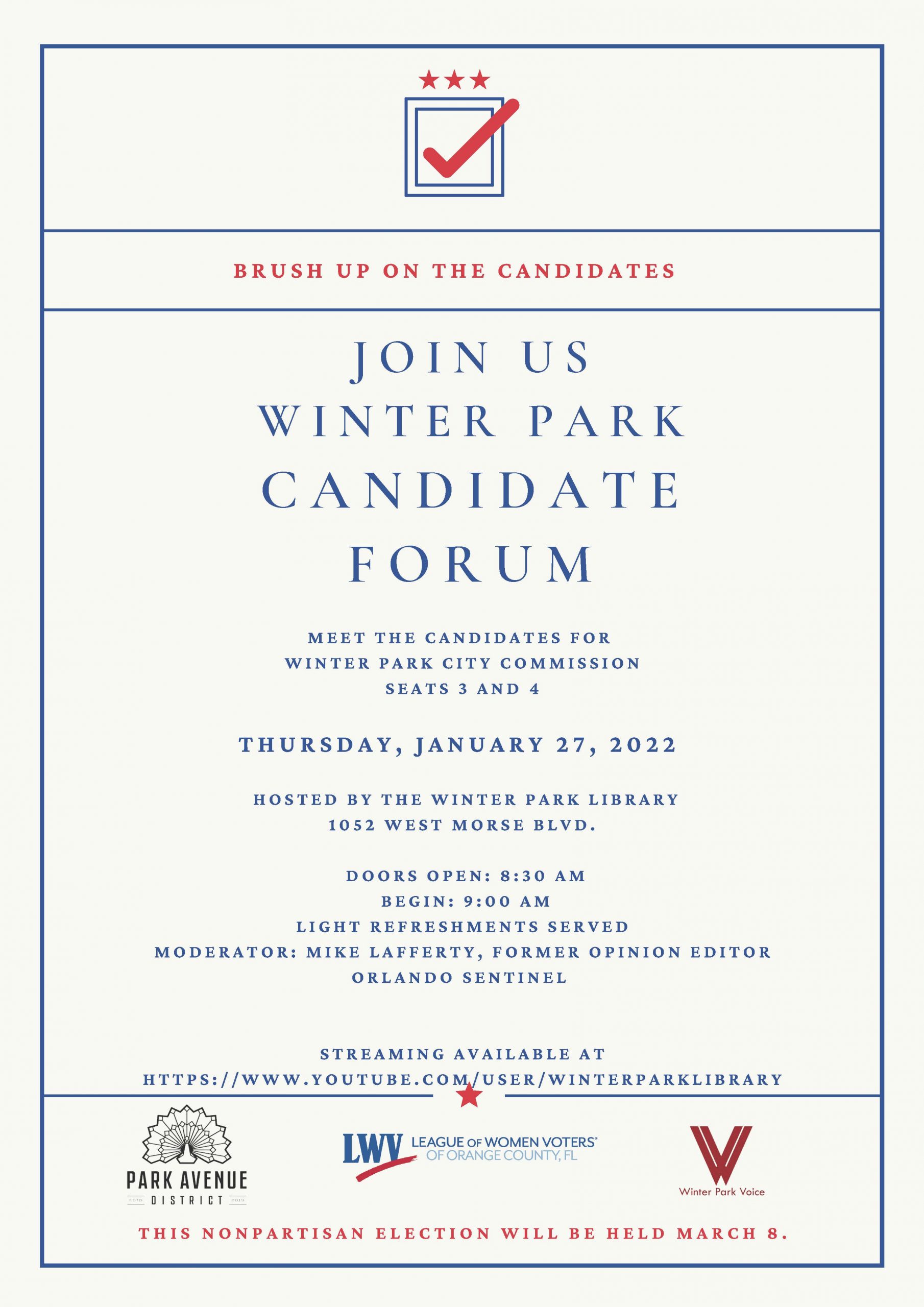
Mark your calendars for the Candidate Forum, Jan. 27, 9:00 to 10:15 a.m. at the Winter Park Public Library, 1052 West Morse Blvd., sponsored by the Winter Park Voice, the Park Avenue District and the Orange County League of Women Voters.
Mike Lafferty will moderate
 Mike Lafferty, former Opinion Editor at the Orlando Sentinel, has agreed to moderate the Forum, which is free and open to the public. The Forum will follow the League of Women Voters protocols for timing of candidate responses, overall fairness and vetting of audience questions. This election is non-partisan.
Cruzada and Vaya for Seat #3
 Two candidates, Kristopher Cruzada and Anjali Vaya, will vie for Commission Seat #3, long held by outgoing Commissioner Carolyn Cooper, who has served the maximum allowed four consecutive terms in office. “Carolyn Cooper . . . those are going to be big shoes to fill,” said Cruzada.
Weaver for Seat #4

Todd Weaver
As of this writing, Commissioner Todd Weaver is running unopposed for re-election to Commission Seat #4.
Candidate filing isn’t over yet
But that could change. The formal period for candidate filing runs from Noon, Jan. 10 to Noon, Jan. 18, so until 12:01 p.m. Jan. 18, we won’t know for sure how many hats are thrown into the ring.
Vote-by-mail ballots go out Feb. 2
The Candidate Forum is slated for Jan. 27. The Orange County Supervisor of Elections will begin sending vote-by-mail ballots to those who have requested them on Feb. 2. The last day to request a vote-by-mail ballot is Feb. 26. The election is March 8. If a runoff election is necessary, it will be held April 12.
Deadline to register is Feb. 7 — Be Ready! Time is short.
If you have questions about your voter status, go to https://www.ocfelections.com/ to make sure your information is up to date and to check your vote-by-mail status. It is important to do this now. The deadline to register is February 7.
From Forum Sponsors
“We hope this candidate forum can underscore the importance of small businesses and local community partners in the day-to-day considerations of future candidates,” said Forum sponsor Sarah Grafton, President of the Park Avenue District. “We understand the importance of civic engagement and we are proud to do our part.”
Reflecting the sentiments of the three sponsors, Grafton went on to say, “We are invested in the future of our city and in those who serve it.”
To comment or read comments from others, click here →
Recent Comments