by Beth Kassab | Jan 22, 2024 | Uncategorized
Schenkel Schultz to relocate 65 employees to Winter Park
The architecture firm will leave its headquarters in downtown Orlando and move to a renovated single-story building on North Orange Avenue
Jan. 22, 2024
By Beth Kassab
Architecture firm Schenkel Schultz is planning to move its corporate headquarters from downtown Orlando to Winter Park later this year, the firm said in a press release on Monday.
The move in the fall of 2024 would involve renovating the single-story building at 834 North Orange Avenue, across from the Rollins College baseball stadium, into a 12,000-square-foot open layout to accommodate the 65 employees who now work in the firm’s office near Lake Eola.
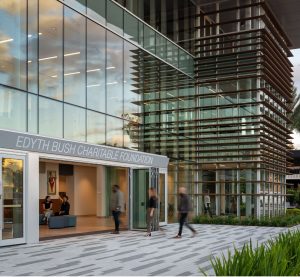
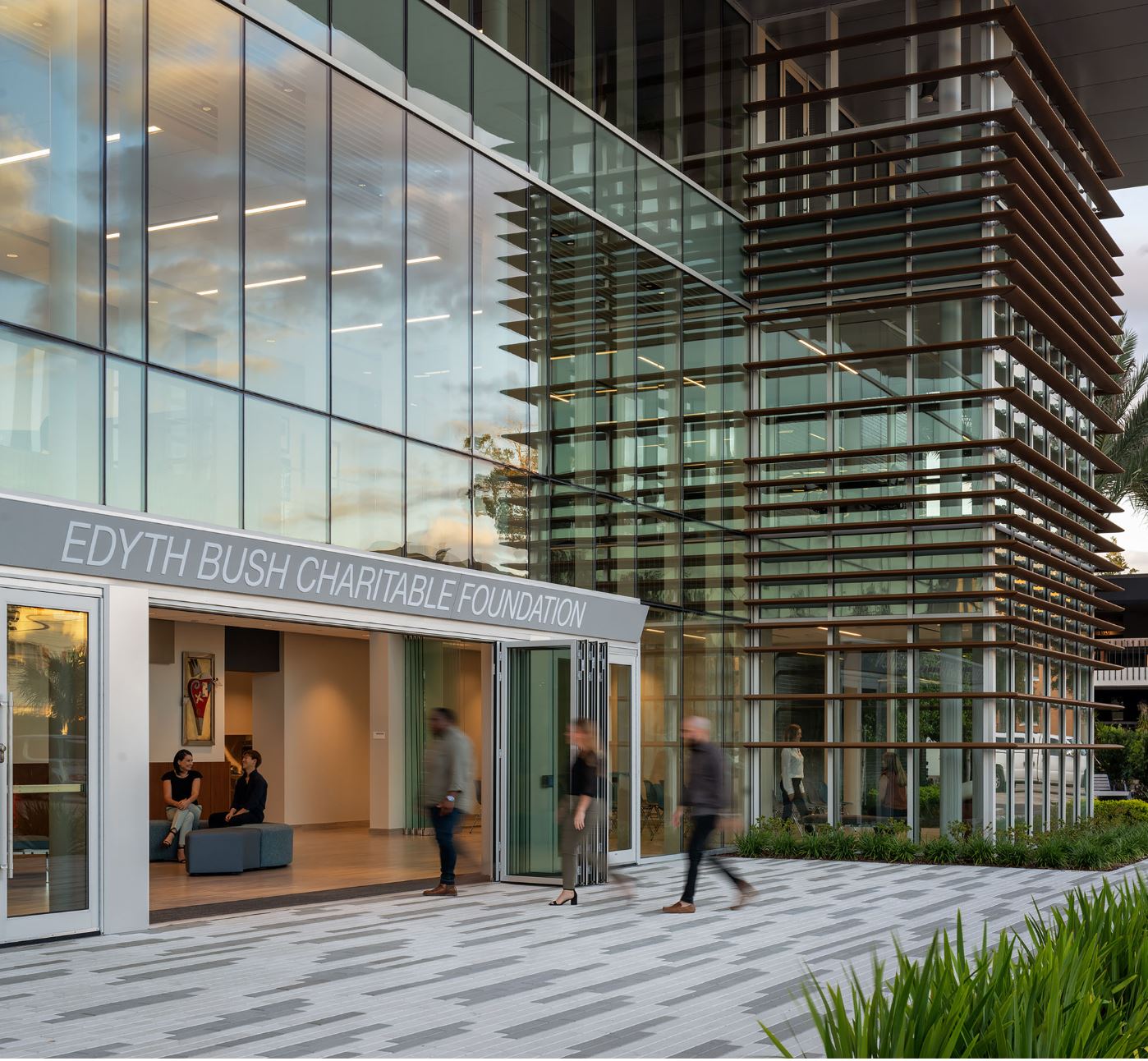
The Edyth Bush Charitable Foundation, a project designed by Schenkel Schultz.
The concept would also contain outdoor spaces for events and programing, the release said.
“This strategic relocation is a pivotal moment for Schenkel Shultz, aligning with the sustainability commitments announced at the close of 2023,” the release stated. “The renovations will adhere to the principles of the ‘AIA Materials Pledge,’ utilizing products that minimize carbon emissions and champion human health, climate health, ecosystem health, social health and equity, and contributing to a circular economy.”
Schenkel Schultz is known for its work on schools, airports, arts venues and more. It designed the new Edyth Bush Charitable Foundation headquarters off Park Avenue in Winter Park.
WinterParkVoiceEditor@gmail.com
To comment or read comments from others, click here →
by Beth Kassab | Jan 20, 2024 | City Commission, Election, News, Uncategorized
With just two months to go, campaigns for two city seats heat up
At least two candidate events are scheduled for the coming week
Jan. 19, 2024
By Beth Kassab
With less than two months until Election Day, candidates are shifting into an intensified ground game for votes with multiple forums on the calendar, social media pushes and a dose of partisan politics that prompted one sitting commissioner to back out of an upcoming event for one candidate.
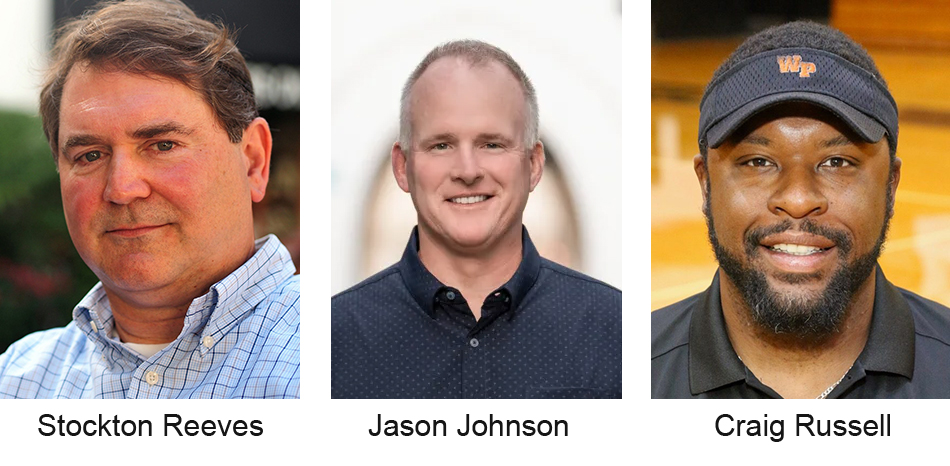
Kris Cruzada, who was elected in 2022 to Seat 3 with nearly 52% of the vote, said Friday he would no longer attend a lunch scheduled for Tuesday hosted by the Winter Park Republican Women Federated that will feature Stockton Reeves, a candidate for Seat 2. City elections are non-partisan — no party affiliation appears on the ballot next to candidate names. But it’s not uncommon for partisan groups to endorse candidates and to provide financial support.
Winter Parkers will go to the polls on March 19, the same day as Florida’s Republican presidential primary. That means the 38% of the city’s nearly 22,000 voters who are registered as Republicans will also find the presidential candidates on their ballots. Democrats account for 36% of city voters and those without a party affiliation make up another 24%, according to the most recent counts from the Orange County Supervisor of Elections.
An invitation from the Republican group said Cruzada would speak after Reeves talks about “some very direct and enlightening information on what is actually going on in City Hall.”
“You will be surprised to hear how the left is turning our gem of a city into a liberal bastion of taxing and spending with a woke agenda,” read the invitation from Hattie Bryant, president of Winter Park Republican Women.
Cruzada, the only elected Republican who serves on the commission, said he disagreed with that characterization.
“I disagree because we have a balanced budget,” Cruzada said. “We have to keep up with the rate of inflation and we’ve also increased our tax rolls because of the increase in appraised property values. Like everybody else, we are trying to keep employees and run a city with limited resources when everything is going up in price.”
Bryant confirmed Cruzada would instead appear at a future meeting and said Reeves, who also ran as a Republican for a State House seat, would have about five minutes to speak.
Reeves, who recently loaned $50,000 to his own campaign, according to reports filed on Friday, said his message that day would be the same as it is to any other group and emphasized his focus on public safety and other issues such as historic preservation and the budget.
“I am not asking any political party for help or support though I have people from both major parties, independents and non-party affiliates helping me and supporting me financially,” he told the Voice.
Jason Johnson, an attorney who has so far raised more than $26,000, and Craig Russell, a teacher and coach at Winter Park High who has raised $4,600, are expected to appear at the forum for Seat 2 candidates on Monday evening at the Winter Park Library. Reeves said he is trying to work out a scheduling conflict so that he can also attend.
A similar event for the two candidates for mayor is scheduled for the morning of Feb. 8. The events are free and open to the public.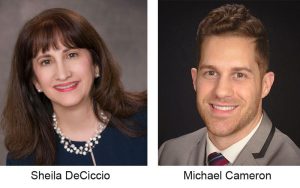
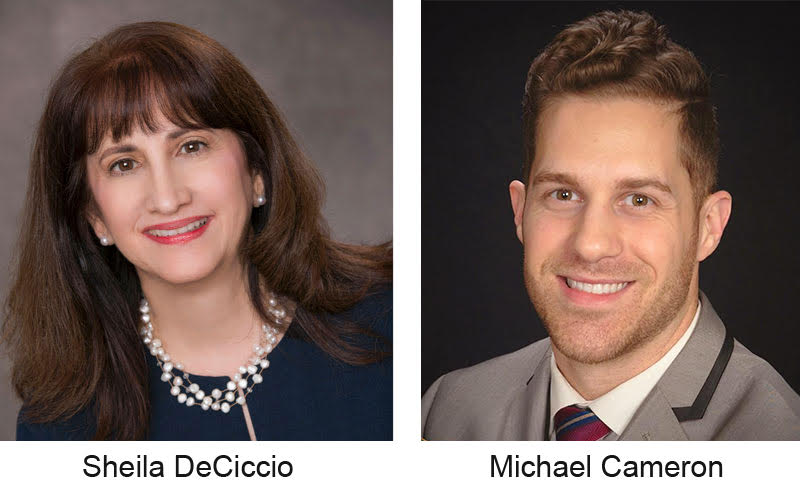
Vice Mayor Sheila DeCiccio is running for mayor against real estate school owner Michael Cameron. DeCiccio has raised nearly $22,000 so far, according to the most recent campaign finance reports.
Cameron, who reported $1,500 in contributions, has run a relatively quiet campaign so far, but in recent days he created a profile dedicated to the campaign on Facebook and TikTok. His posts include his apparent support of the Republican Party and Gov. Ron DeSantis based on the hashtags he included such as #redwave, #conservative and the governor’s name.
“I had so many great conversations today and sometimes I just got the door slammed directly in my face and that’s OK,” he said in a video about his collection of signatures to get on the ballot. “There are residents of Winter Park who don’t have a voice and I want to try to be that voice.”
The Winter Park Chamber of Commerce will host a forum for all five candidates on Feb. 7.
NOTE: This story has been updated to reflect more context surrounding the quote from the invitation from Winter Park Republican Women.
WinterParkVoiceEditor@gmail.com
To comment or read comments from others, click here →
by Beth Kassab | Jan 19, 2024 | City Commission, News, Orange Avenue Overlay, Uncategorized, Zoning and Development
OAO Board approves plans for office building next to Seven Oaks Park
The city tried to buy the parcel along Orange Avenue and Denning Drive that was owned by Bank OZK, but lost out to a warehouse developer
Jan. 18, 2024
By Beth Kassab
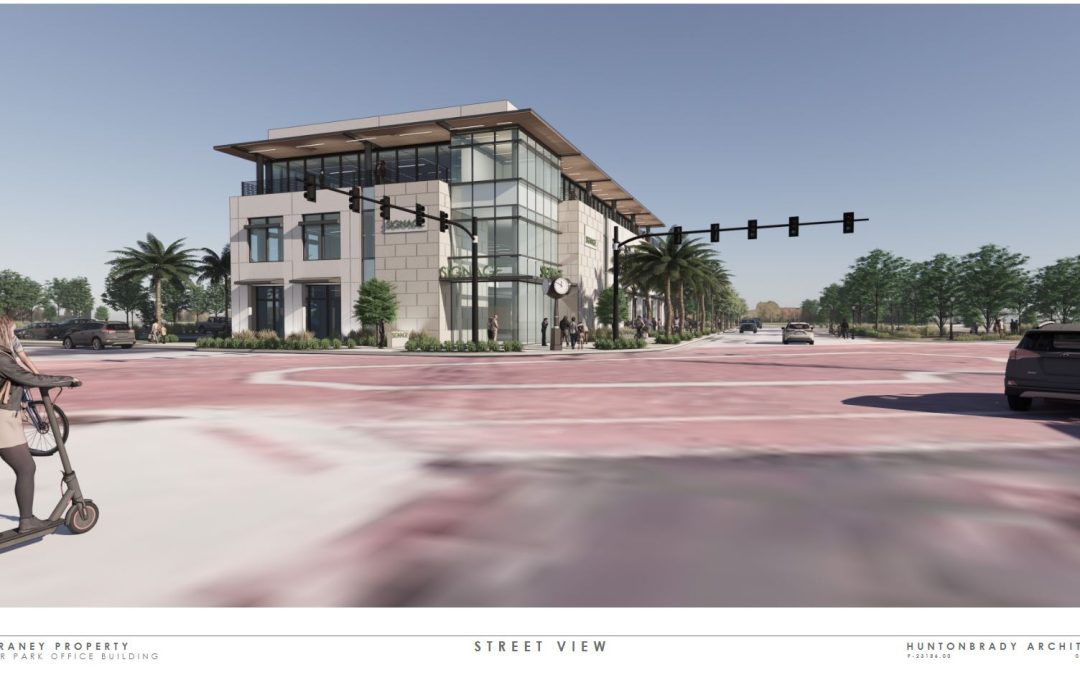
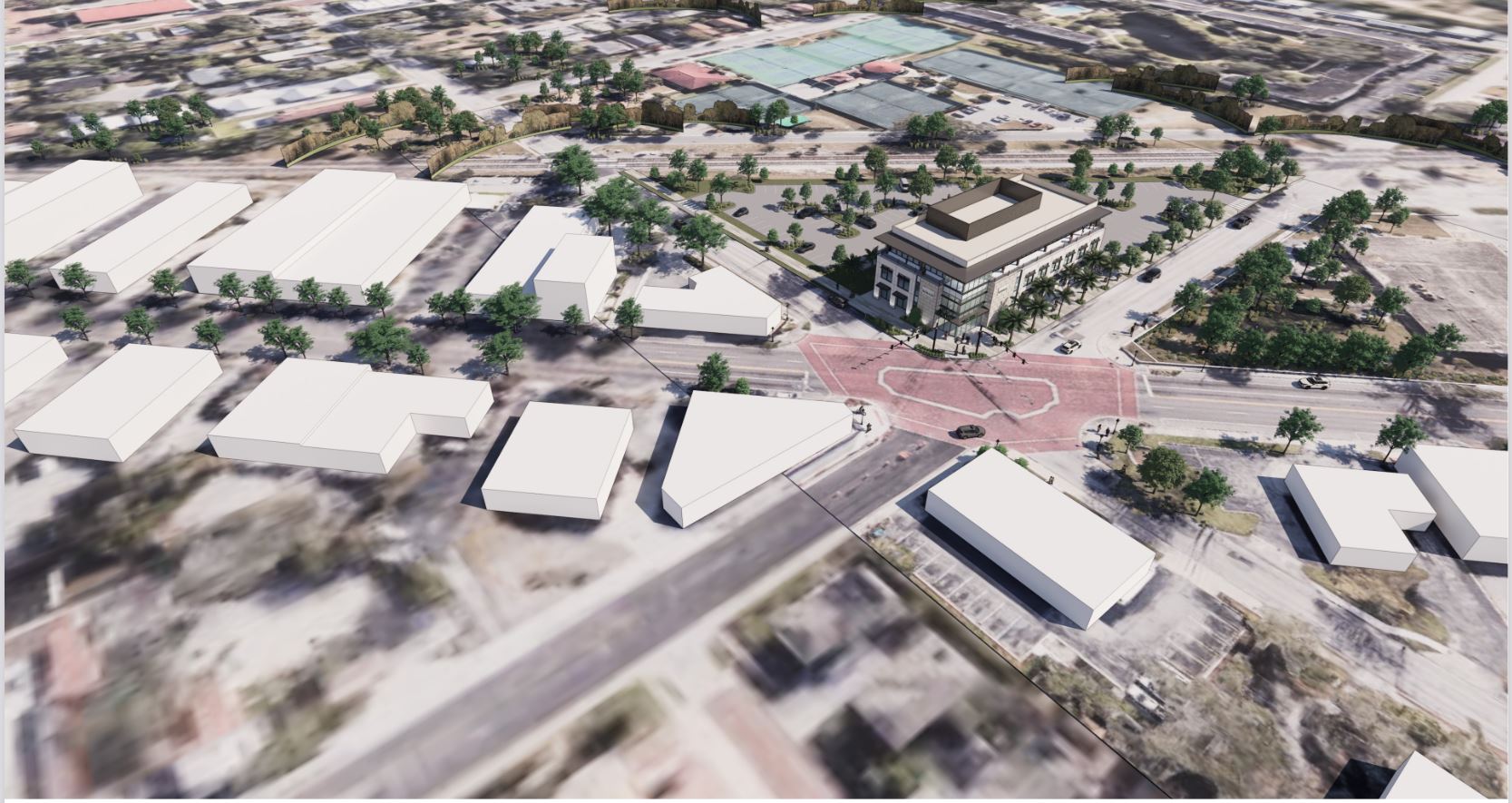
The Orange Avenue Overlay Appearance Review Advisory Board considered plans for one of the most talked about properties in Winter Park last year — the wedge-shaped parcel that city commissioners attempted multiple times to purchase to add on to Seven Oaks Park.
The property was owned by Bank OZK and after the city’s offers were rebuffed, the vacant land was sold to warehouse developer and Winter Park resident Steven McCraney, who wants to build his company’s headquarters there.
McCraney spoke at the meeting and said he was initially working with Bank OZK to develop the property jointly — a plan that started 18 months ago, long before the city made its first offer last year.
“They decided they wanted to sell it at kind of the last minute and we were glad to be the group they decided to sell it to,” he said.
He said he’s excited about the project and expects it to “raise the bar” in the new special Orange Avenue Overlay area, which has special zoning and development standards designed to improve pedestrian access and architectural quality in the area near Orange Avenue and U.S. Highway 17-92.
The board made several recommendations for the development such as planting oak trees rather than palm trees along the main corridors for extra shade. Ultimately, they recommended approval by a 3-0 vote. Brian Canin, Tonya Mellen and Wade Miller voted in favor. Andrew Krecicki recused himself from the vote because he works for HuntonBrady Architects, which is involved in the McCraney project.
WinterParkVoiceEditor@gmail.com
To comment or read comments from others, click here →
by Beth Kassab | Jan 18, 2024 | City Commission, News, Uncategorized, Zoning and Development
In close vote, P&Z board approves Rollins faculty housing project
Neighbors slam proposed architecture and say parking is inadequate
Jan. 18, 2024
By Beth Kassab
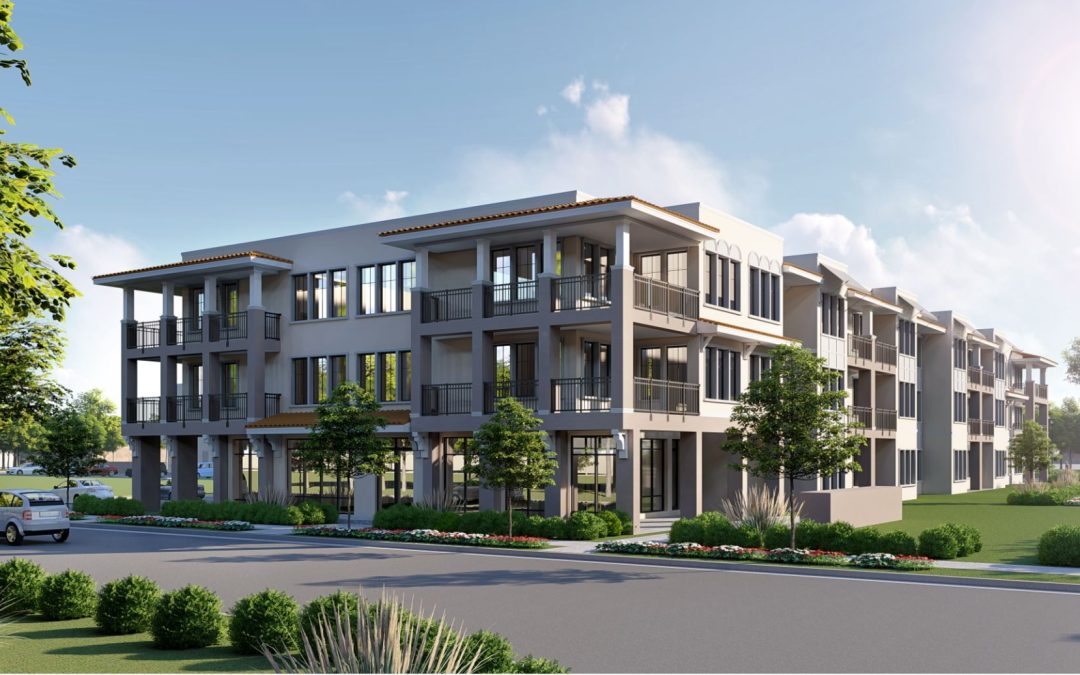
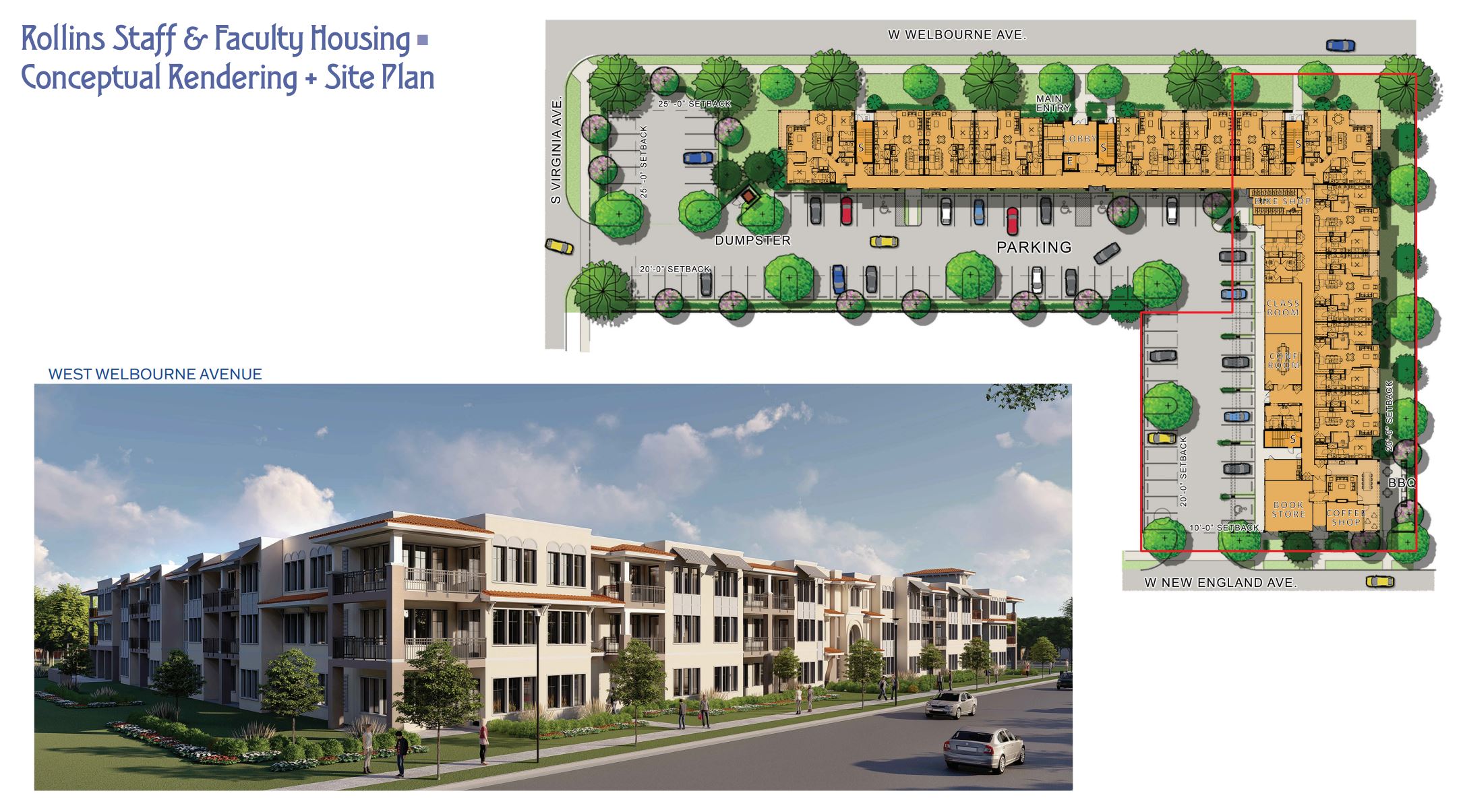
A proposed 48-unit apartment building to serve as workforce housing for Rollins College faculty and staff skidded out of a Planning & Zoning Board meeting with new conditions attached after an onslaught of complaints from residents at the nearby Douglas Grand condominiums.
The board voted 4-2 to recommend approval to the City Commission, which will consider the project next week. Jim Fitch, Vashon Sarkisian, Alex Stringfellow and David Bornstein voted yes with the added condition of restricting the number of parking passes per unit based on the number of bedrooms as well a requirement that Rollins help add on-street parking along Welbourne Avenue. Melissa Vickers and Warren Lindsey voted no.
Residents who live in the Douglas Grand and elsewhere said the project would add too many units to their neighborhood without adequate parking. Several people criticized the proposal’s architecture, wood frame construction and questioned the impact of what they called “subsidized housing” on their own property values.
Some who spoke accused the city of bowing to any request made by Rollins.
“I think we can agree this evening that if any other developer walked in to staff’s office and made a request for double units and only 77% of required parking with a noncompatible building, I think we can all agree that never would have made it to your agenda,” one speaker said. “But here we are tonight.”
Rollins President Grant Cornwell defended the project as central to the liberal arts college’s mission of providing students an intimate and quality experience with faculty and staff integrated into campus life.
He said younger, tenure-seeking faculty can’t afford to live in Winter Park and commute times can be an hour.
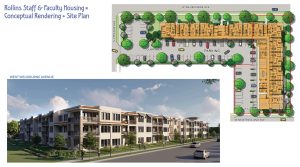
A rendering shows a faculty and staff apartment project proposed by Rollins College.
“This emerged as a way to fill a need,” he said. “Especially by younger faculty and a generation where they would like to get rid of a reliance on cars and walk to work and shopping.”
City code would typically require 124 parking spaces for the development as proposed: 2.5 spaces per unit plus four spaces for the coffee shop and bookstore. But Planning Director Jeff Briggs said the city has allowed other nearby projects to build just two spaces per unit because of the availability of on-street parking and the potential to add more on-street parking. As a result, the staff endorsed Rollins’ plan to build 97 spaces for the project.
The college is partnering with developer Alan Ginsburg on the one, two and three-bedroom units. The site along New England and Welbourne avenue is currently home to buildings known as the Dan Hunter apartments, for the mayor that developed them. Those units, which are already owned by Rollins and house graduate students today, would be torn down to make way for the new buildings.
A coffee shop and bookstore are included in the design as part of the city’s long standing rules for developing New England Avenue with a retail focus aimed at making the street attractive to pedestrians.
Rollins representatives said they would be willing to forgo the retail space in favor of a common area for residents if that was more desired by the city or neighbors.
As part of its agreement with the city, Rollins would commit to maintaining the units as faculty housing for a period of at least 20 years, a decrease from the 30 years that was in the original staff report.
WinterParkVoiceEditor@gmail.com
To comment or read comments from others, click here →
by Beth Kassab | Jan 13, 2024 | City Commission, News, Uncategorized, Zoning and Development
Updates on Rollins dorm, leaf-blower ban and Live Local Act
Angst over electric leaf blowers doesn’t stop ban set to start in July
Jan. 11, 2024
By Beth Kassab
Despite reservations over the logistics of enforcing a ban on gas-powered leaf blowers, the City Commission passed a rebate on electric version of the devices as the prohibition is set to take effect this summer.
The $50 rebate available to residents in the form of a credit on their utility bills is intended to help ease the transition.
But commissioners expressed concerns over how landscape companies would make the move.
Vice Mayor Sheila DeCiccio said she’s heard from landscapers who note they work from early in the morning until the evening with few breaks.
“They want to know about battery use,” she said. “What is the cost of the battery if they can’t recharge?”
Gloria Eby, director of natural resources and sustainability, said the city is working to prepare resources on cost comparisons and battery life.
“It becomes an upfront cost … with industry, you can’t discount that fuel has its cost,” she said. “When you do a comparison on fuel to upfront battery, then the investment is 10 months to a year, and you’ve paid off that battery cost.”
Mayor Phil Anderson noted that the ban was first enacted in 2022, but the city pushed the pause button on enforcement for 30 months until July of 2024 to give people time to prepare.
“We were really intentional about saying this was intended to allow people to make transition over a 30-month period,” he said. “I’m not sure how effective that wait period has been? … As a realist my guess is most people have not done this conversion and most contractors have not done this conversion.”
He urged city staff to take a lighter approach to enforcement with perhaps warnings and education before launching into fines.
City Manager Randy Knight said the intention is to educate residents and companies before any fines are issued.
“We don’t plan to drive around looking for violators, but we know we will get calls from people and will dispatch people immediately,” he said.
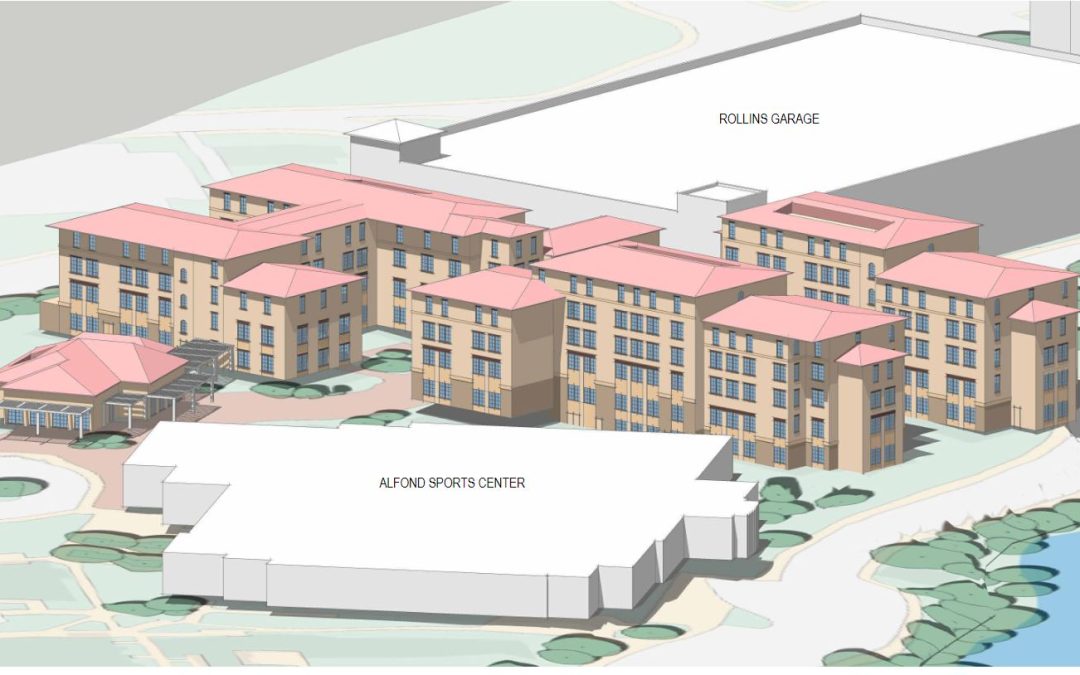
At the same meeting, Commissioners approved the plans for a new 300-bed dormitory on the Rollins College campus and observed a moment of silence for Rita Bornstein, a beloved former president of the college, who died last week.
Commissioners also approved an ordinance to help block abuse of the state’s Live Local Act when it comes to new projects billed as affordable housing.
WinterParkVoiceEditor@gmail.com
To comment or read comments from others, click here →


Recent Comments