How Should City Commission Give Dollars to Nonprofits?
The City Commission will consider this week a new system for awarding nonprofit grants and also discuss if the Parks & Rec department should sell ads and sponsorships
Oct. 20, 2025
By Beth Kassab
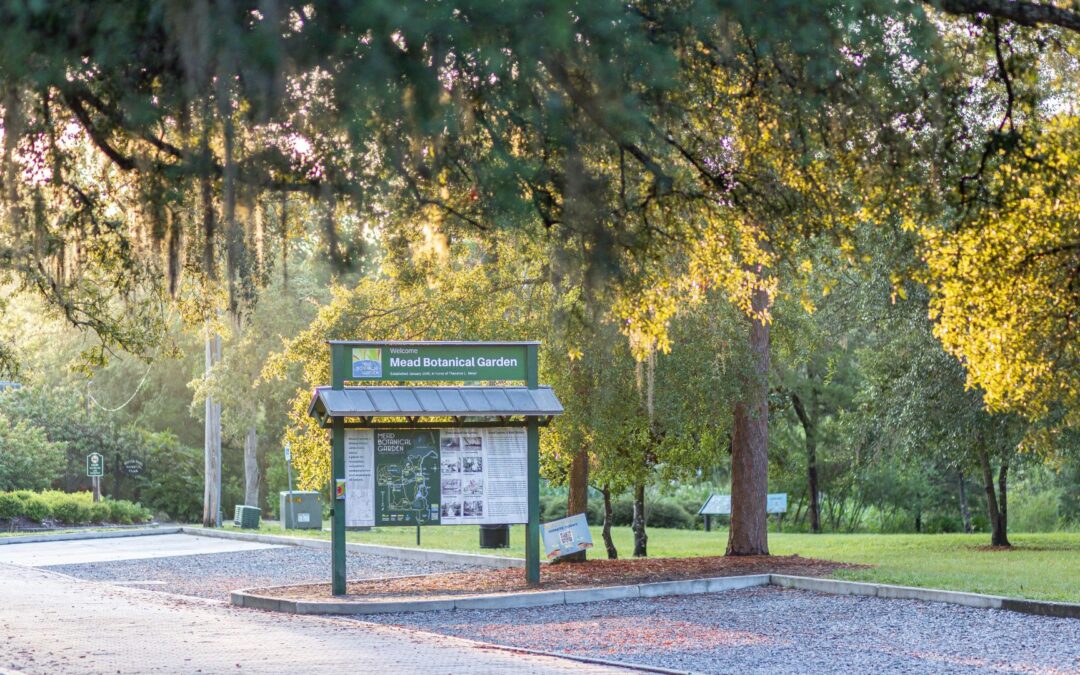
Each year the city of Winter Park, like many local governments, doles out a portion of public dollars to help nonprofits like Mead Botanical Gardens, Winter Park Day Nursery, the Winter Park Library and Blue Bamboo Center for the Arts.
But this year, amid economic and budget uncertainty, the City Commission held back $140,000 — and didn’t renew one-time grants to the Winter Park Institute and Men of Integrity — with the intent of formalizing the grant process and determining who is eligible.
This week commissioners are slated to finally have that discussion on Thursday in a workshop.
The conversation comes about amid major cuts to arts and nonprofit funding on the state level and efforts by Gov. Ron DeSantis’ administration to showcase what it deems as “wasteful” local government spending through its “DOGE Team.” The administration is targeting cities and counties with audits and press conferences that it claims are highlighting “waste, fraud and abuse” such as a tree inventory program at the city of Orlando or programs for LGBT youth services in Orange County.
City staff are proposing the creation of a temporary committee each year that would evaluate grant requests and make recommendations for 10 recipients of $10,000 each for “relevant, and meaningful, arts, science, history, social services, and educational experiences of value to the local community.” The committee members would consist of people who already serve on other city advisory boards such as Parks & Recreation and Historic Preservation.
To be eligible, nonprofits must serve Winter Park and can not support a political cause or candidate, can not be connected to a for-profit business and can not already be receiving more than $10,000 in funding from the city, according to the proposal.
The money for the grants comes from .25% of the gross revenue from each of the city’s three major funds — the general fund, electric and water and wastewater.
That generates about $442,000. Some organizations already receive a yearly allotment from that pool. The new policy would address new requests totaling about $100,000.
Those that receive yearly funding, including the Winter Park Library, are:
- Mead Botanical Gardens: $102,000
- Winter Park Historical Association: $97,000
- Winter Park Day Nursery: $42,500
- United Arts: $20,000
- Blue Bamboo: $12,500
- Polasek Museum: $28,000
- Winter Park Library: $2.1 million
The staff report also noted that state government has targeted the ability of Community Redevelopment Agencies to support nonprofits, though so far, there have been no changes to the law. In the future, however, CRAs may be prohibited from making such grants.
Winter Park’s CRA makes the following contributions, according to the 2026 budget:
- Enzian Theater: $10,000
- Heritage Center: $50,000
- Welbourne Day Nursery: $43,000
- Winter Park Playhouse: $49,300
- Depugh Nursing Home: $24,000 (This group recently announced it’s closing)
Ads at Parks?
Commissioners will also discuss on Thursday a plan that city staff estimates could generate $100,000 a year by selling ads and sponsorships at city parks or events.
The effort would mostly focus on the city’s two golf courses, the tennis center and other parks with high foot traffic. Central Park, the highest-profile public green space along Park Avenue, would be off limits to advertisers, according to the proposal.
Some examples of places where the city could sell ads to raise extra funds: interior fencing at tennis courts, golf course scorecards, banners in gymnasiums or fields or t-shirts for adult athletic leagues or summer camps. Sponsorships could be sold for city events such as the Fourth of July celebration, Weekend of the Arts and Dinner on the Avenue or programs such as Movies in the Park or the rotating art installations set to begin next year in Seven Oaks Park.
“Today, financial and in-kind support is even more critical as the investment needed to sustain and improve the parks, facilities, and programs continues to rise,” reads a memo about the proposal. “Like other park and recreation departments across the nation, the parks and recreation department is pursuing more sophisticated business partnerships with the for-profit and non-profit sectors, in the form of events, programs, projects, and site sponsorship along with limited advertising.”
WinterParkVoiceEditor@gmail.com
Is Thursday’s workshop open to the public?
Yes, the workshops are publicly noticed and open to the public. But the public is typically not permitted to speak at these. Workshops are for discussion purposes only and there are no votes taken, though you can often get a feel for whether there is a consensus or not.
What a tough decision to make as every group you listed does a great service to the community. But, if some fair criteria could be set up that would be good. I’m all for advertising if it adds more $ for these organizations. Maybe have some more fund raising parties/events with assistance from the city, like bands in the park with donations and ad space. Work with UCF and Rollins as they are great resources and UCF has non-profit org experts (I don’t know much about Rollins but would guess they do).
How to determine who gets the grants? In my opinion the city should award grants based on recipient non-profits spending 75-80% or more on the actual programs (i.e. low (market rate!) overhead salaries, minimal travel expenses unless necessary, and reasonable fundraising expenses).
In other words: I’m not thrilled as a taxpayer about subsidizing Galas for the see and be seen crowd when there are so many deserving non-profits working on shoe string budgets, with volunteer labor, and making a real impact who could get the grant instead.
Agreed that these recipients should be spending the majority of their funds on actually programs. So many of them fritter away money on unnecessary staffing and overhead. United Arts is a perfect example of funding being gobbled up before grant is awarded to make actual art.
It should be noted that part of this process involves setting criteria for the committee to evaluate when considering nonprofit grants. Proposals will be scored on multiple fronts similar to when vendors bid on jobs for the city and are graded in various categories.
I think it is important to understand that the City of Winter Park does a thorough job of clarifying and documenting on what grant funds to nonprofits can and cannot be expended – typically supporting residents, workers and visitors of Winter Park. They also require updates and reports regarding how funds were spent, they check audited financial statements and ensure board member involvement. Galas, on the other hand, are typically funded by sponsors and ticket sales from individuals and entities who know that is what their funds are supporting. I hope this helps clarify how grant funding from the City is and is not utilized by nonprofit organizations.