
Winter Park Suspends Flock Cameras for At Least 90 Days
The police department said the cameras are a beneficial tool for solving crimes and would like to reinstate them once a new policy is finalized
Sept. 28, 2026
By Allison Smith
Winter Park Police Chief Tim Volkerson confirmed that his agency’s Flock cameras and any other automatic license plate readers (ALPRs) are no longer in use following a suspension of the program approved by the City Commission last week.
The suspension will run for at least 90 days, giving the department time to “assess and discuss” the changes needed to protect the privacy of law-abiding residents and guard against potential abuses by law enforcement, while still reaping the benefits the cameras provide as investigative and crime-solving tools, he said.
“We’ve made policy changes to try and keep up with putting appropriate guardrails on [license plate reader] systems,” Volkerson told the commission. “But it’s a very fluid thing … And honestly, I feel like a dog chasing my own tail, trying to keep up with everything.”
In August, Volkerson updated his department’s policy to more strictly limit how the camera database can be used, in response to incidents of police abuse elsewhere. In Haines City, about an hour southwest of Winter Park, a police officer was arrested and charged with official misconduct and other computer-related crimes. The officer allegedly used the Flock system for more than 700 searches over about two years to track the whereabouts of his estranged wife’s vehicle.
“We’re banning any of those features that create more of the feeling of distrust in the community,” Volkerson said.
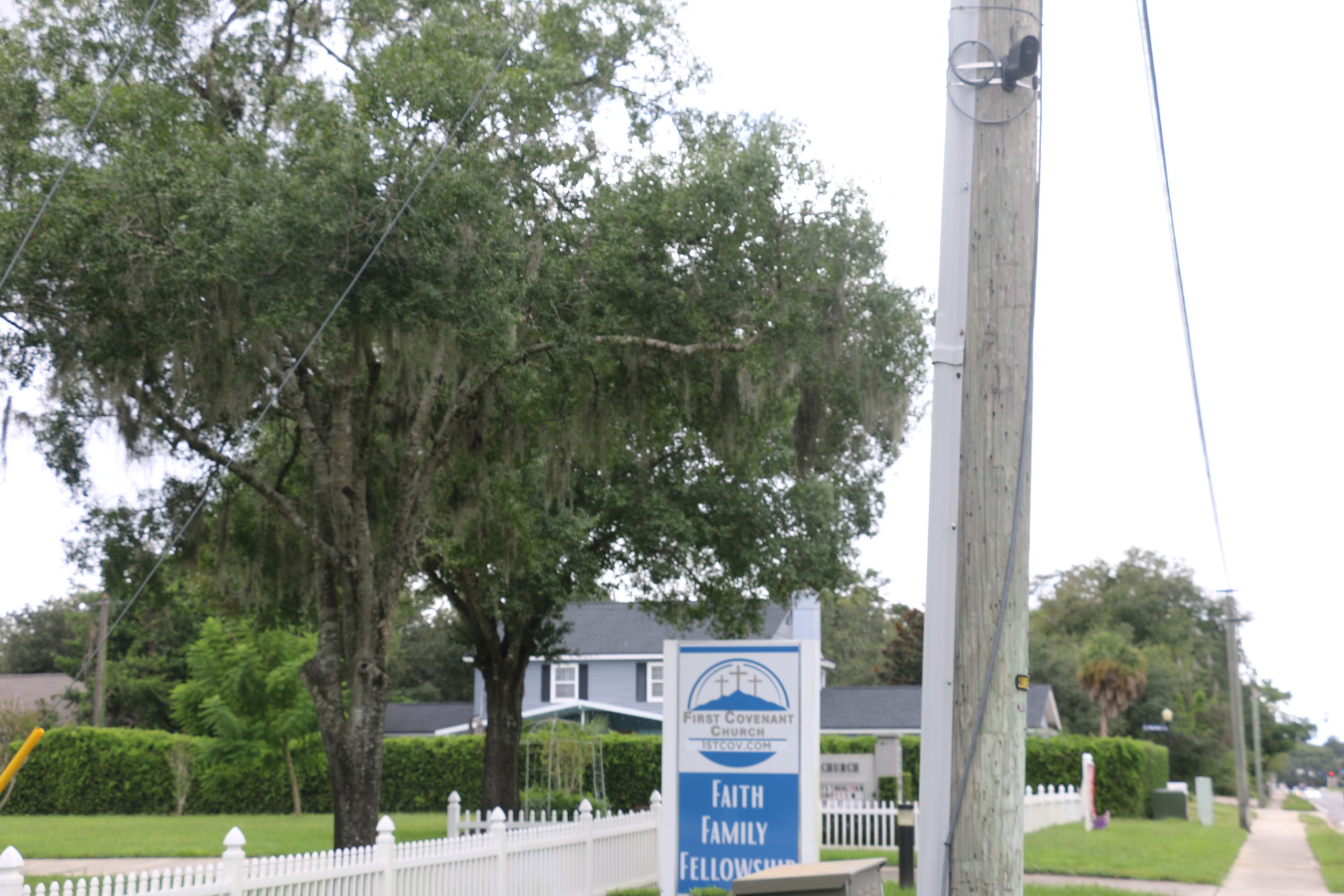
A camera appears on a utility pole near a church on Howell Branch Road in Winter Park. (Photo by Allison Smith)
However, he said he needs until at least early 2027 to determine what the full policy should look like going forward.
Commissioner Warren Lindsey expressed concern that the Florida Legislature could override whatever new policy the city comes up with when lawmakers meet again in March. In recent years, the Legislature has repeatedly preempted city and county rules, chipping away at local governments’ ability to govern themselves with one-size-fits-all solutions for the entire state.
Volkerson said he plans to stay in touch with lawmakers and address their concerns, and he hopes to have a policy in place before the annual legislative session begins in March.
Winter Park signed a 60-month contract with Flock Safety in 2023 for three cameras at a cost of $7,500 a year, according to the contract.
All three cameras were positioned on state-owned roads. They were deactivated after the Florida Department of Transportation revoked permits for such devices across the state in August.
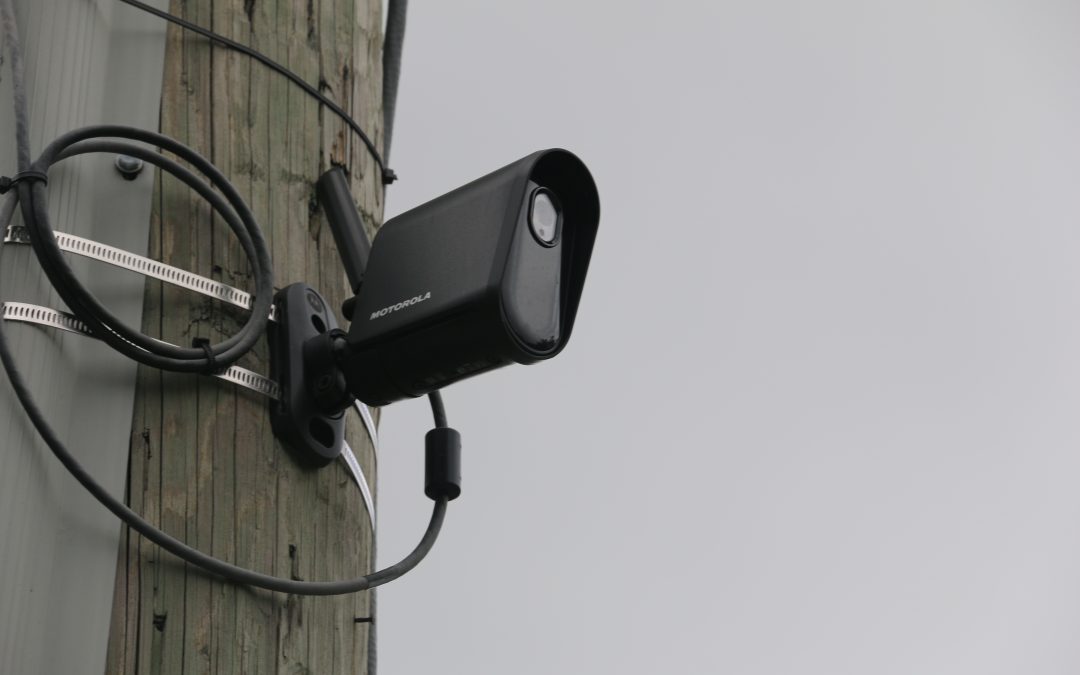
Winter Park also uses cameras manufactured by Motorola Solutions, which primarily sells to government agencies and law enforcement, according to the company’s public financial filings. Those cameras are also included in the citywide suspension and will be subject to the new policy.
Volkerson declined to comment on how many Motorola cameras were recently in use, but said they were acquired through a grant.
Using the popular crowdsourced site Deflock, a Voice reporter attempted to photograph ALPRs in and around Winter Park. The Voice confirmed the locations of 13 cameras listed on the site’s interactive, open-source map.
Some of the cameras are on private property, such as the campus of Rollins College.
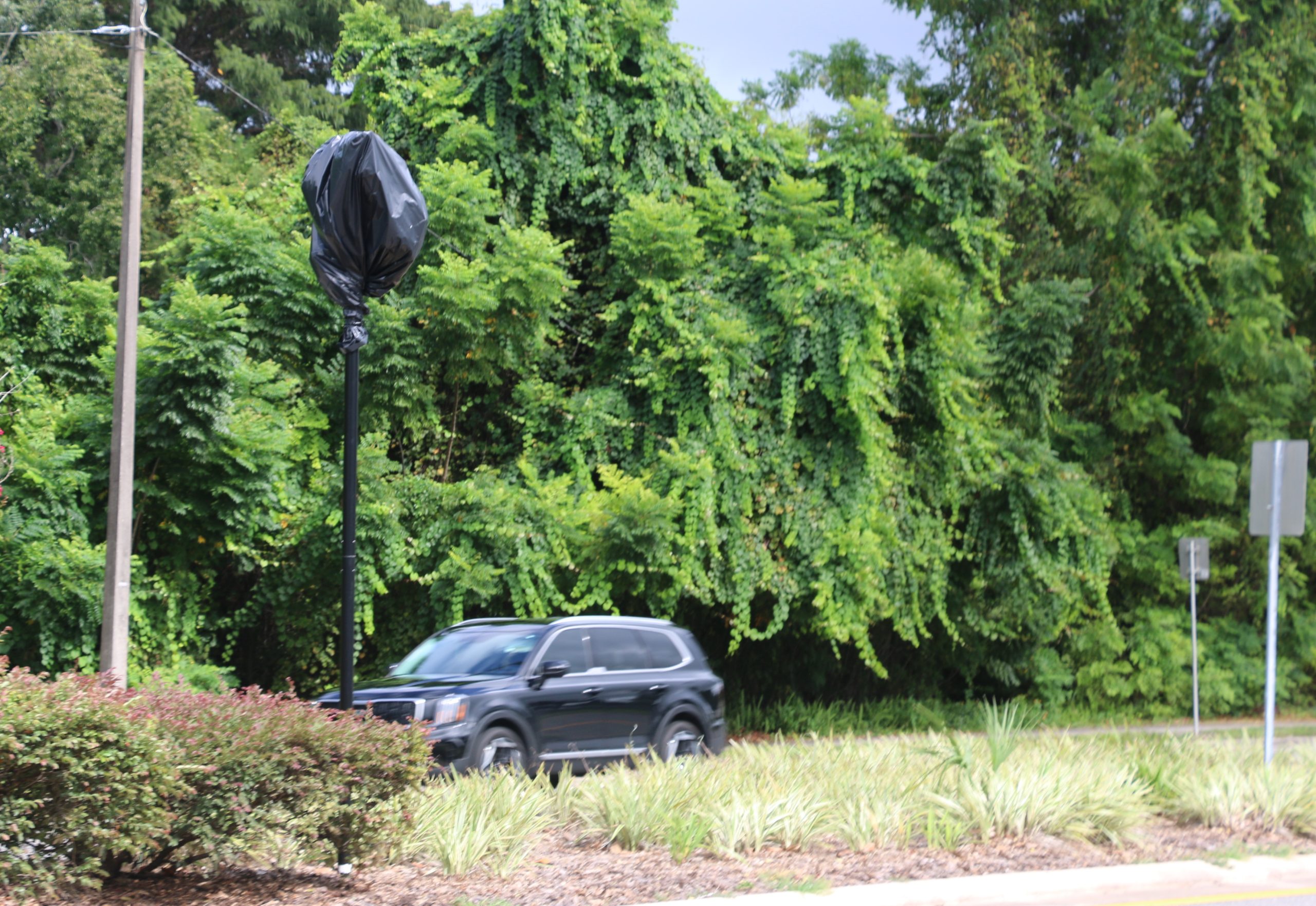
One camera on a median on Horatio Avenue near Howell Branch Road in Maitland appeared to be covered with a garbage bag.
Volkerson said he expects the state to begin fining agencies for misuse of ALPR systems, similar to the penalties for abuse of another law enforcement database, the Driver and Vehicle Information Database, known as DAVID. That database contains Florida driver’s license numbers, home addresses, photos, signatures, birth dates, vehicle information and more. DAVID has also been prone to misuse by law enforcement and other officials over the years, and its rules could serve as a model for Flock technology.
“Protecting people’s privacy is extremely important,” Volkerson said. “Any violation of that is an extremely serious offense.”
According to the department’s ALPR policy, updated in August, the database can be used only for active investigations, and information cannot be shared with anyone who is not directly involved in the investigation.
The cameras use optical recognition technology to check license tags against a so-called “hot list.” They provide a visual and audible alarm when a tag matches lists of stolen vehicles, suspended driver’s licenses, registered sex offenders, registered felons and other local intelligence pertaining to gang or drug investigations, according to a copy of the policy.
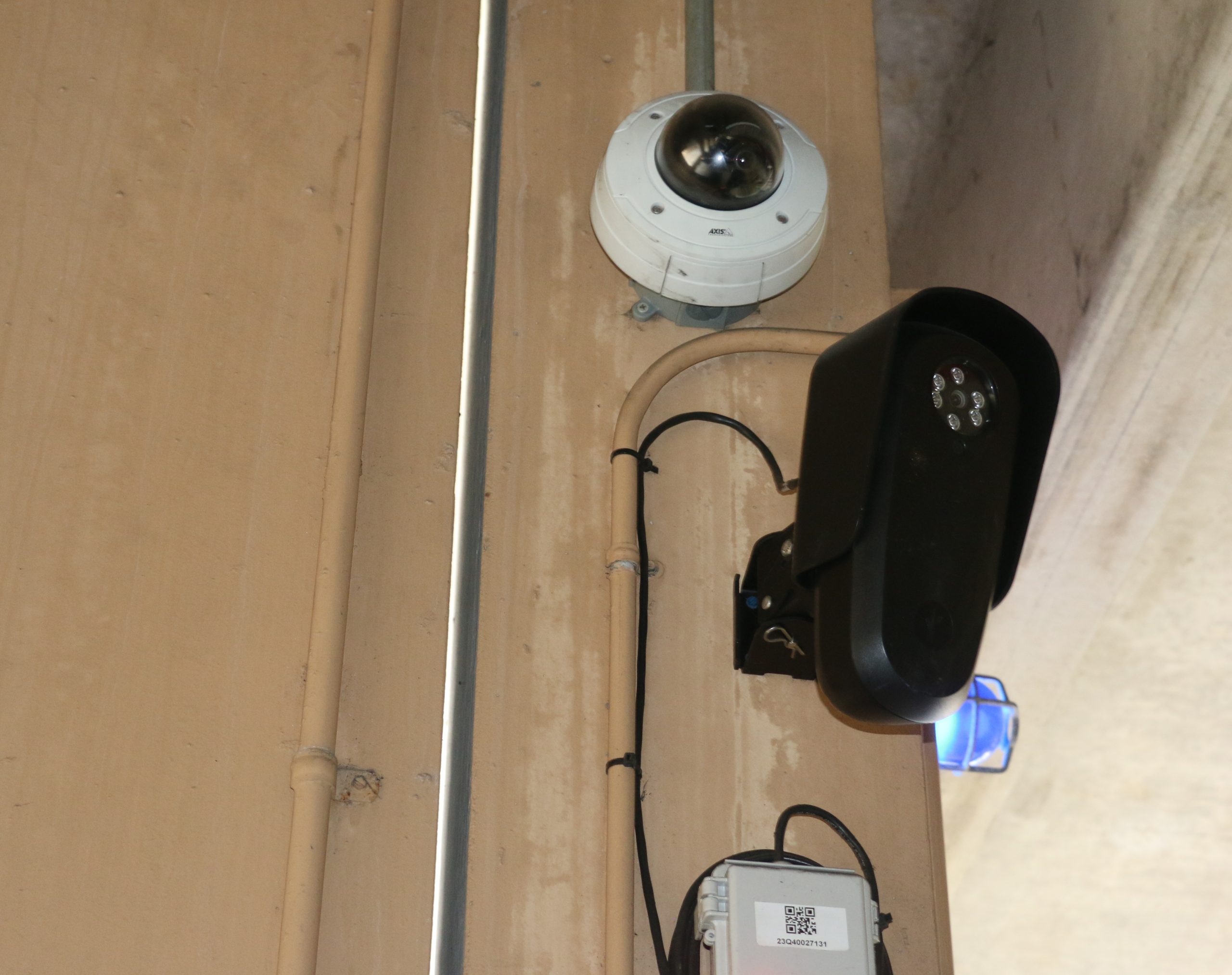
An APLR camera appears on the first floor of the Truist Parking garage just off Park Avenue in Winter Park. (Photo by Allison Smith)
Officers in Winter Park can manually add to the hot lists only in certain circumstances, such as a new Amber or Silver Alert, license plates related to wanted or missing persons, and those necessary for “gathering criminal intelligence during an active investigation.” Searches can be traced to the officer’s name and case number, and officers must enter a reason for each search.
Volkerson said the department still needs to determine a retention period for the images and information the cameras collect, along with rules for cameras near sensitive areas such as schools, health care facilities and churches.
WinterParkVoiceEditor@gmail.com
Mass surveillance is not compatible with liberty.
News Flash: If your tag is not on the “hot list” nobody is watching you go to the ice cream store every night. Relax. This is a fake issue for dumb dumbs.
Is that “hot list” available for public review? Just wondering how you know you are not on it? Or are you an insider who has the ability (mis-)use the system and therefore know how to get yourself off the hot list if necessary? Time will tell who belongs in the group of dumb dumbs.
I am pretty sure I have been Flocked in the last 3 years. So far, no incarceration, no deportation and no hard labor. I suggest you stay off the E-Pass roads, flying with TSA, avoiding neighborhood Ring cameras and Big Box retailers.
These cameras are unconstitutional, and an all around terrible idea.
Tempering “rules” around how individuals (police) are authorized to use the system is not Okay. They must go away and never come back.
Totally unconstitutional. Get rid of them unless you don’t enjoy true freedom.
The concepts of “privacy “, “freedom”, and. “Liberty”, are far more complex in a democracy than data recorded by a camera. We need well thought-out rules and procedures for using this data, with penalties for misuse, rather than a politically based “yes” or “no” to have or have not. Democracy cannot thrive on ignorance or disdain.
Go watch the homicide New Orleans documentary on Netflix. You’ll see how they use all kinds of cameras (intersection, flock, ring, business surveillance) to solve murders. Invaluable tools. My view: I’ve nothing to hide, so film away. Penalties for misuse should be incredibly harsh though.